Mavac Workspace
Mavac Workspace
2020–2021 • TEAM COLLABORATION PLATFORM
2020–2021 • TEAM COLLABORATION PLATFORM
Modern workspaces suffer from context loss—teams juggle disconnected tools where workflow is separated from execution. This fragmentation creates data silos and breaks the cognitive flow essential for deep work. To address these pain points, I partnered with an engineer to create Mavac. By adopting a modular UX strategy that allows different tools to coexist in a single view, we developed a scalable workspace for small and medium-sized businesses that centralizes information and streamlines workflows.
Modern workspaces suffer from context loss—teams juggle disconnected tools where workflow is separated from execution. This fragmentation creates data silos and breaks the cognitive flow essential for deep work. To address these pain points, I partnered with an engineer to create Mavac. By adopting a modular UX strategy that allows different tools to coexist in a single view, we developed a scalable workspace for small and medium-sized businesses that centralizes information and streamlines workflows.

After the functional prototype was in place, I designed Mavac’s visual identity to translate its modular system into a coherent and recognizable brand.
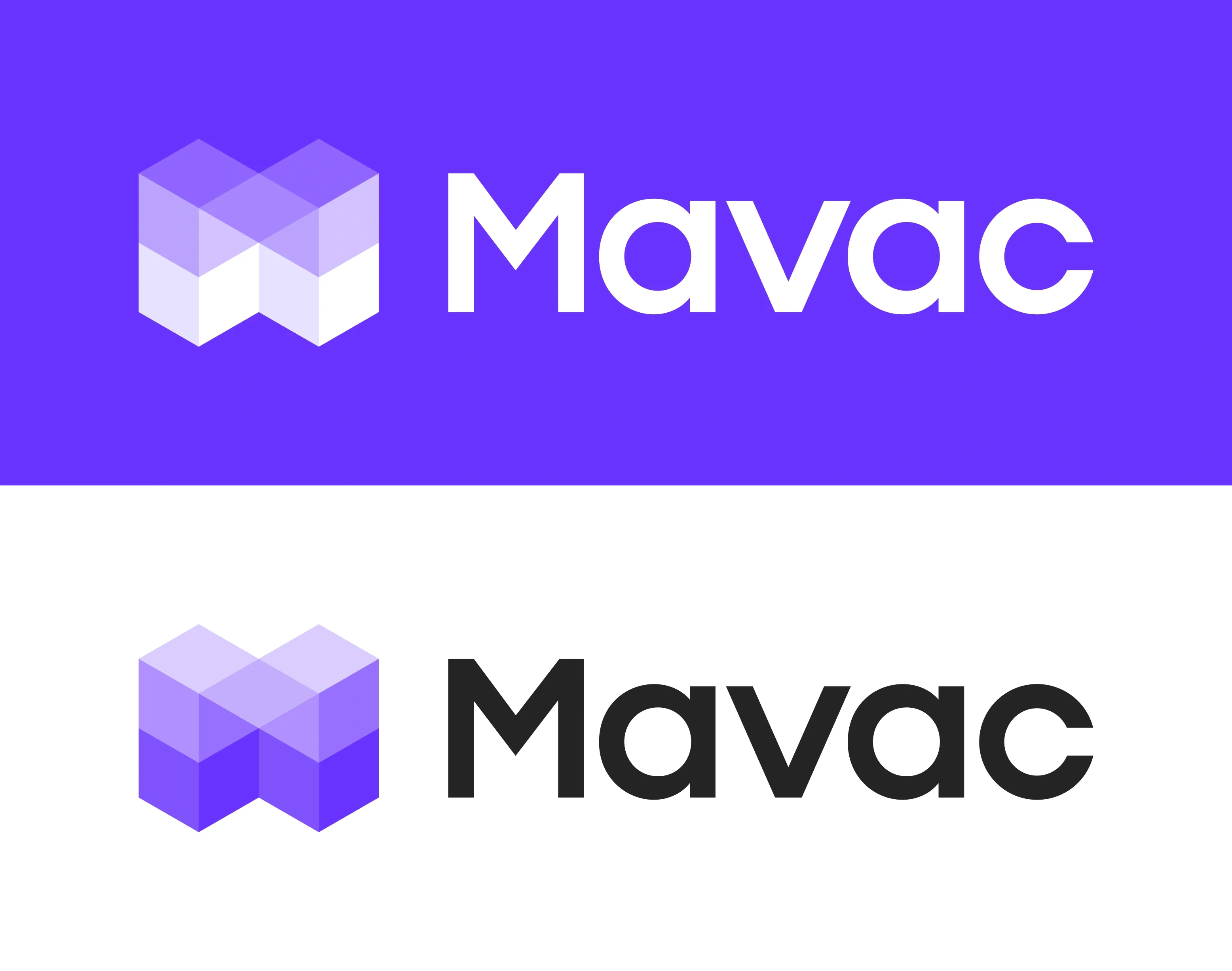
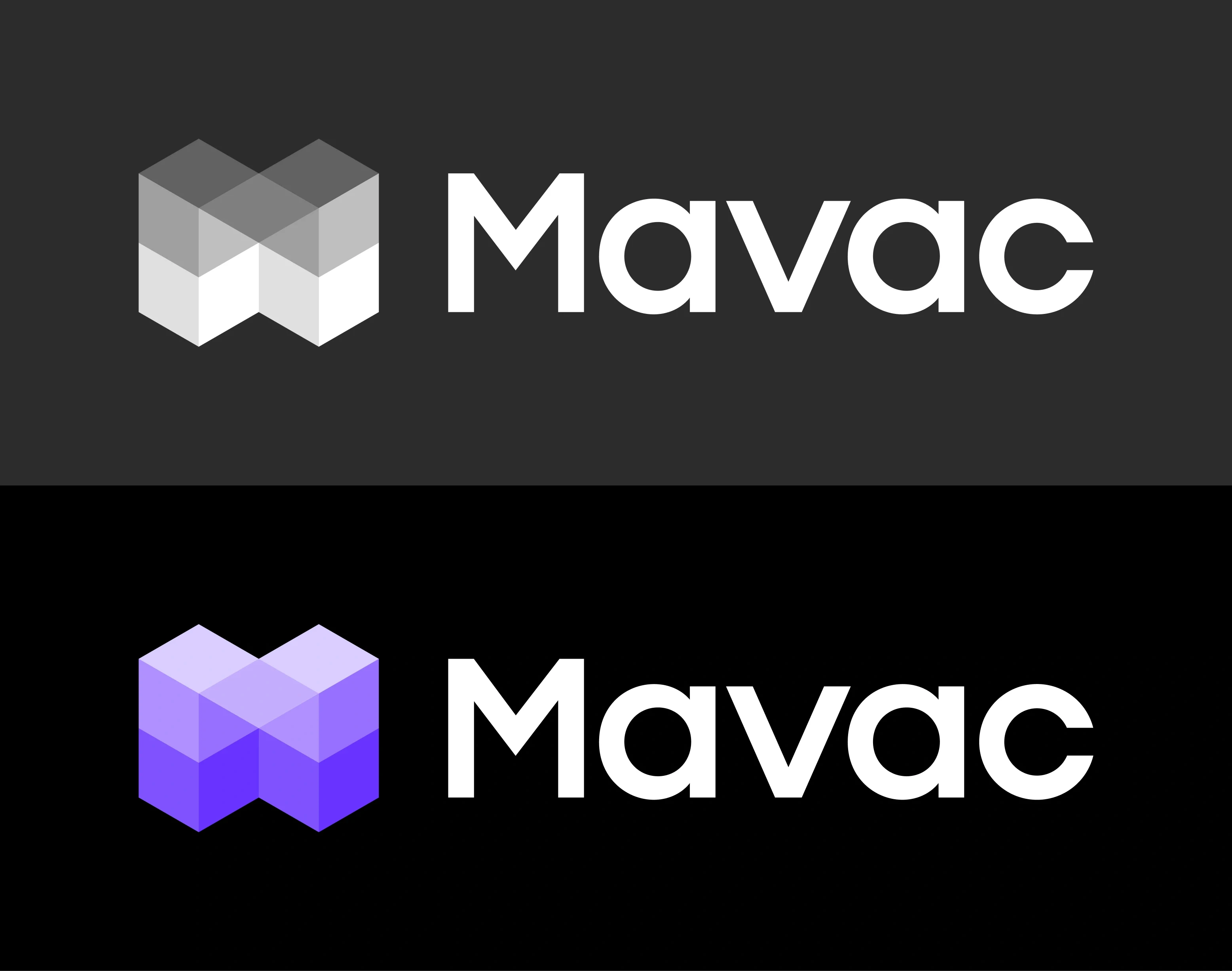
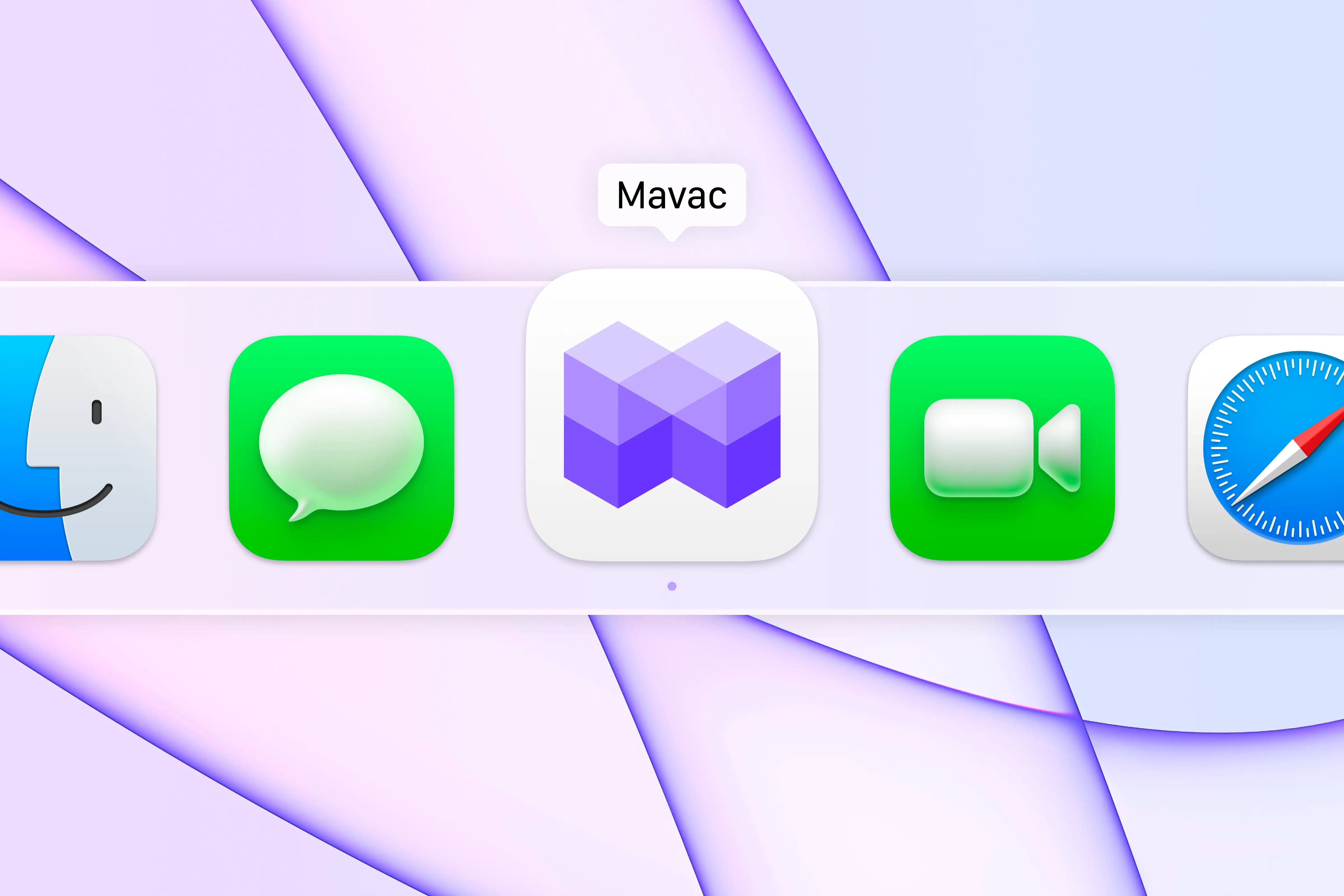
The name Mavac embodies the concept of “Modularizing and Visualizing All Connections,” reflecting the product’s goal of organizing complex workflows into flexible, interconnected modules. The logo is constructed from diamond and triangle forms, using simple, reconfigurable shapes to emphasize modularity and connection.
After the functional prototype was in place, I designed Mavac’s visual identity to translate its modular system into a coherent and recognizable brand.
The name Mavac embodies the concept of “Modularizing and Visualizing All Connections,” reflecting the product’s goal of organizing complex workflows into flexible, interconnected modules. The logo is constructed from diamond and triangle forms, using simple, reconfigurable shapes to emphasize modularity and connection.


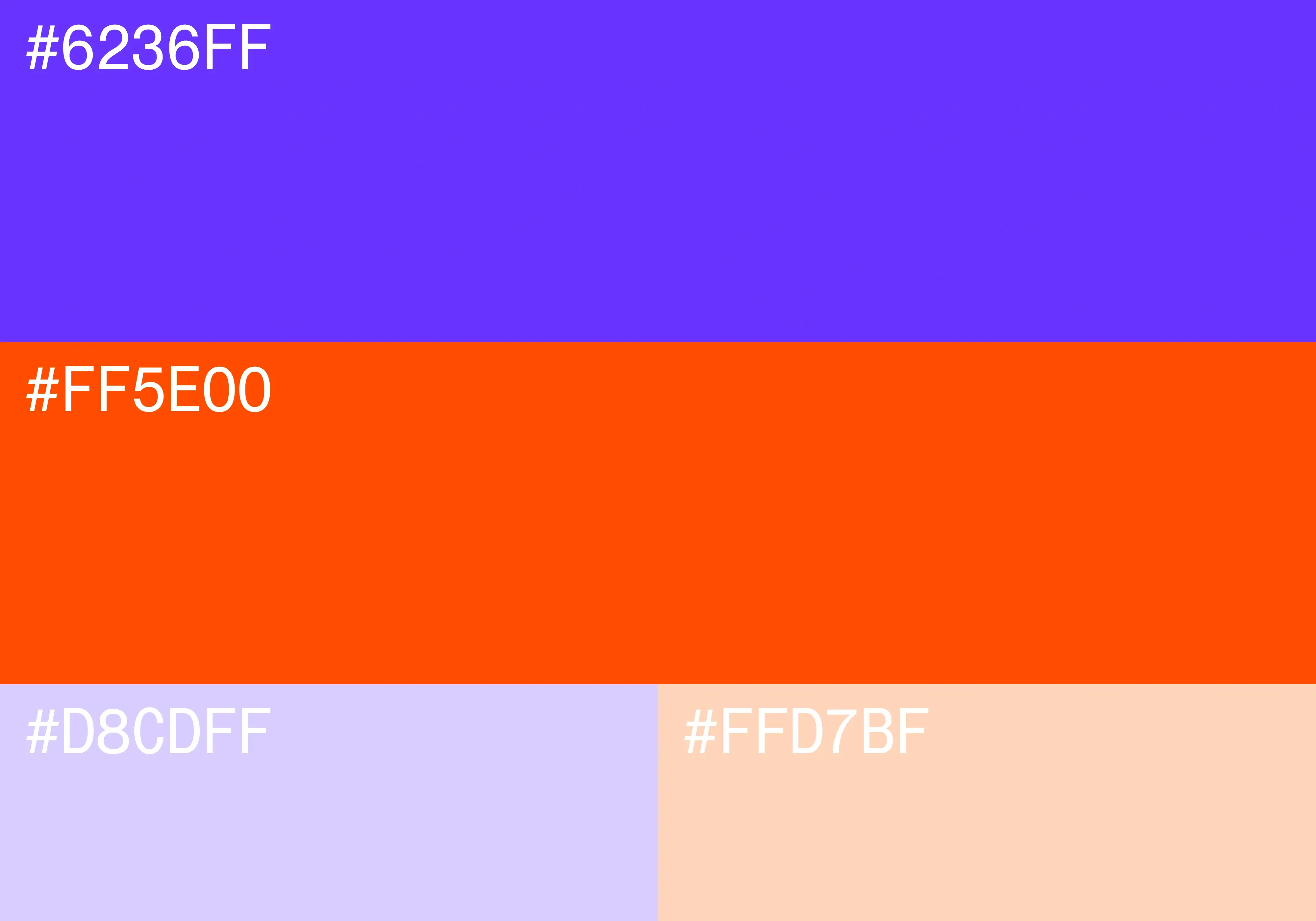
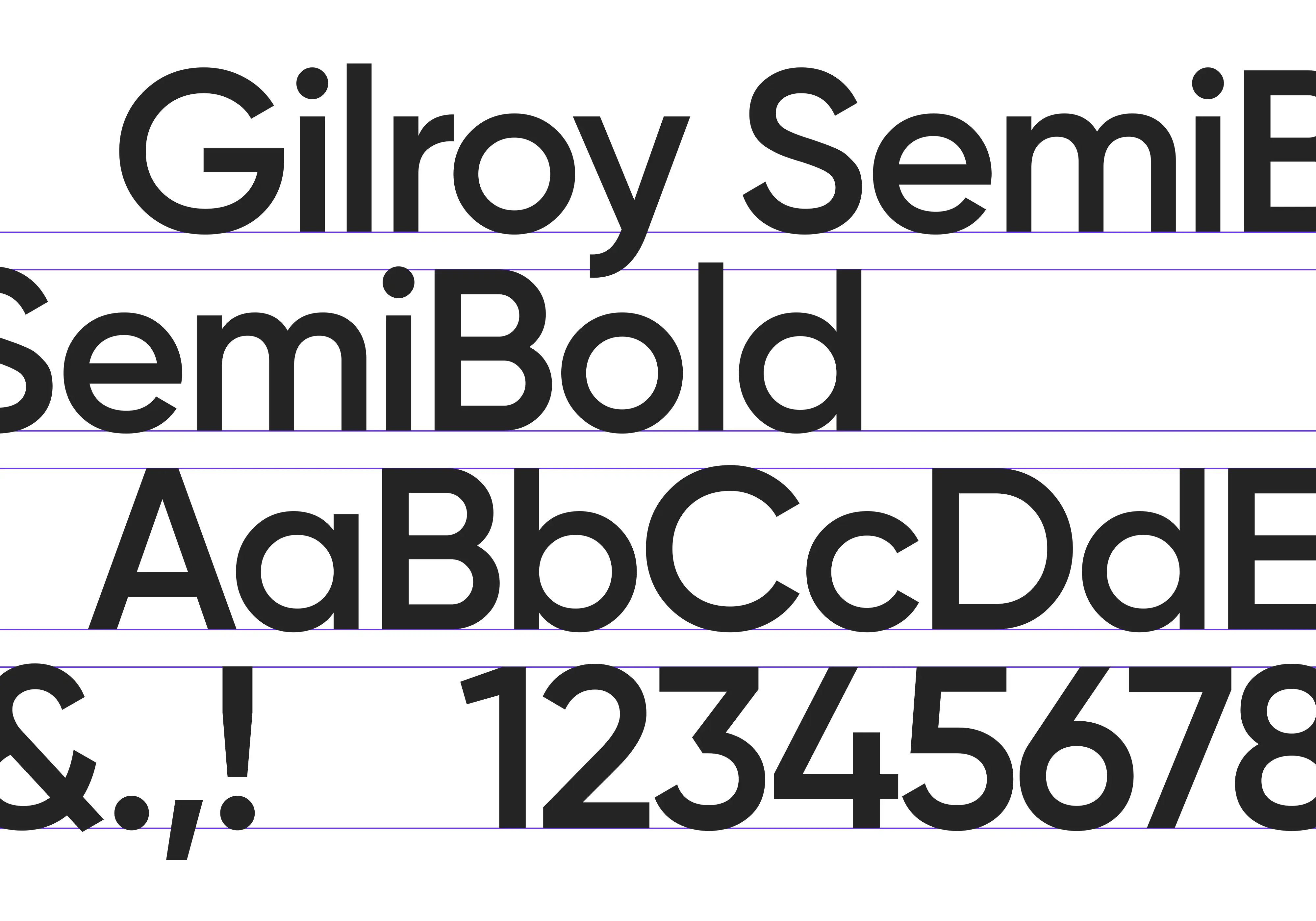
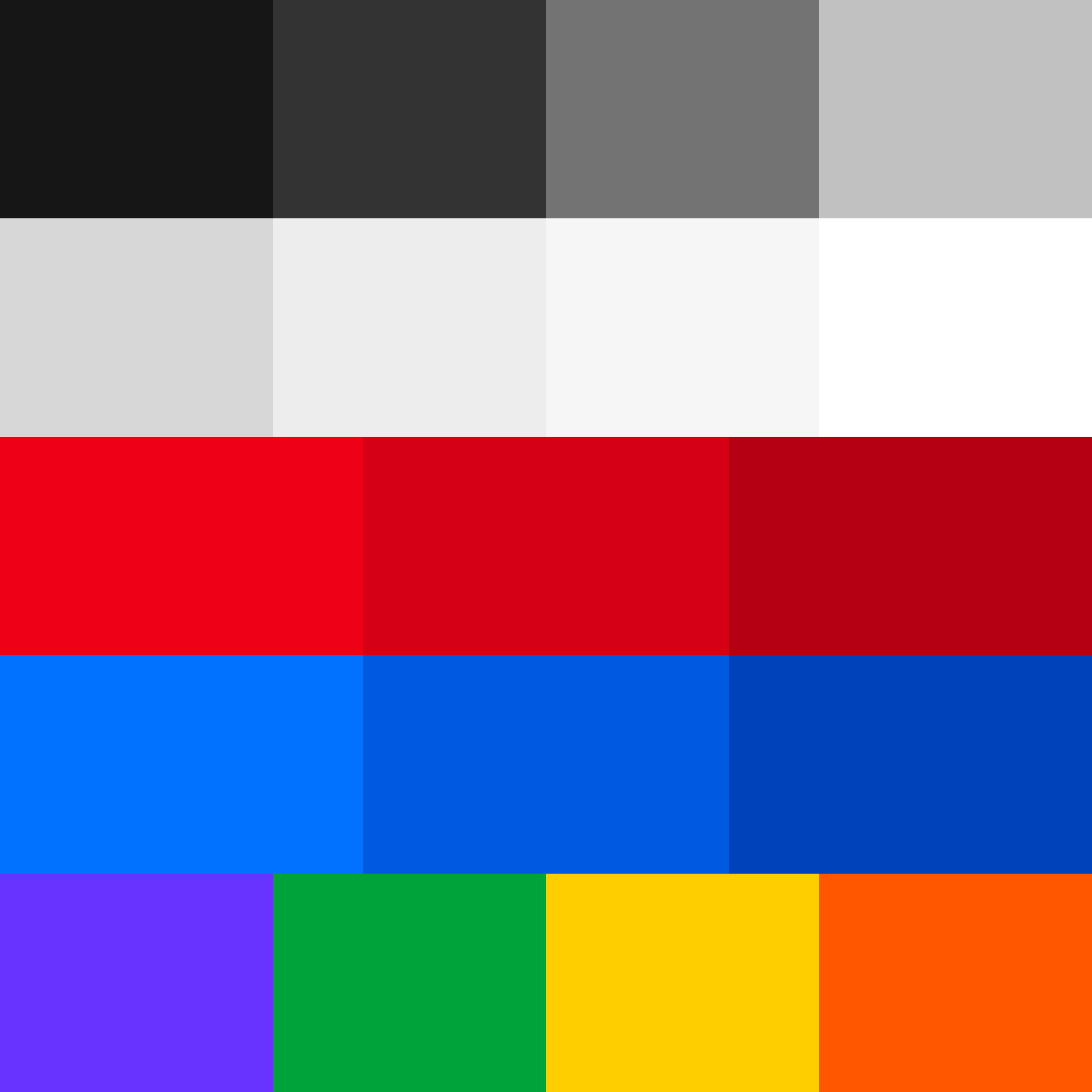
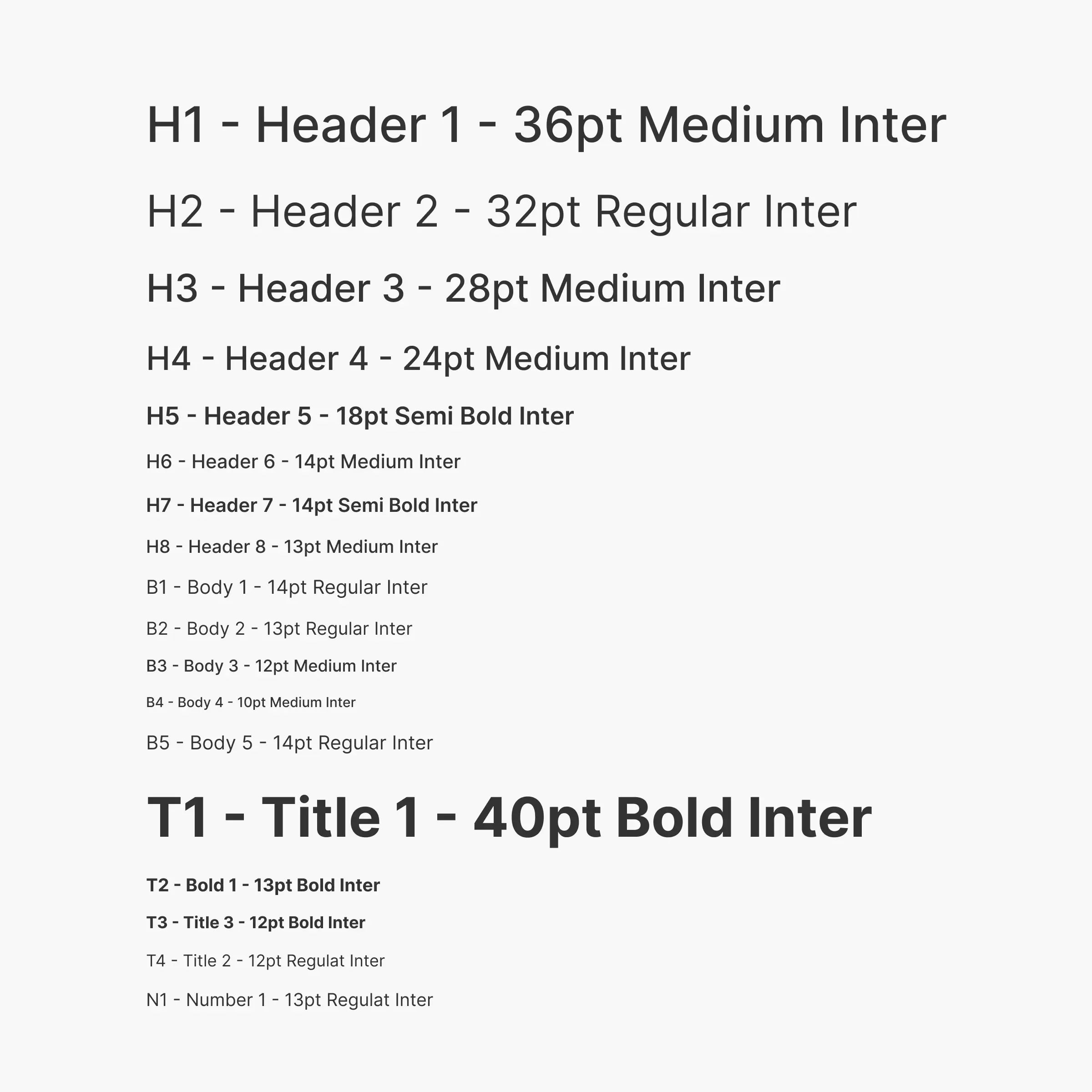
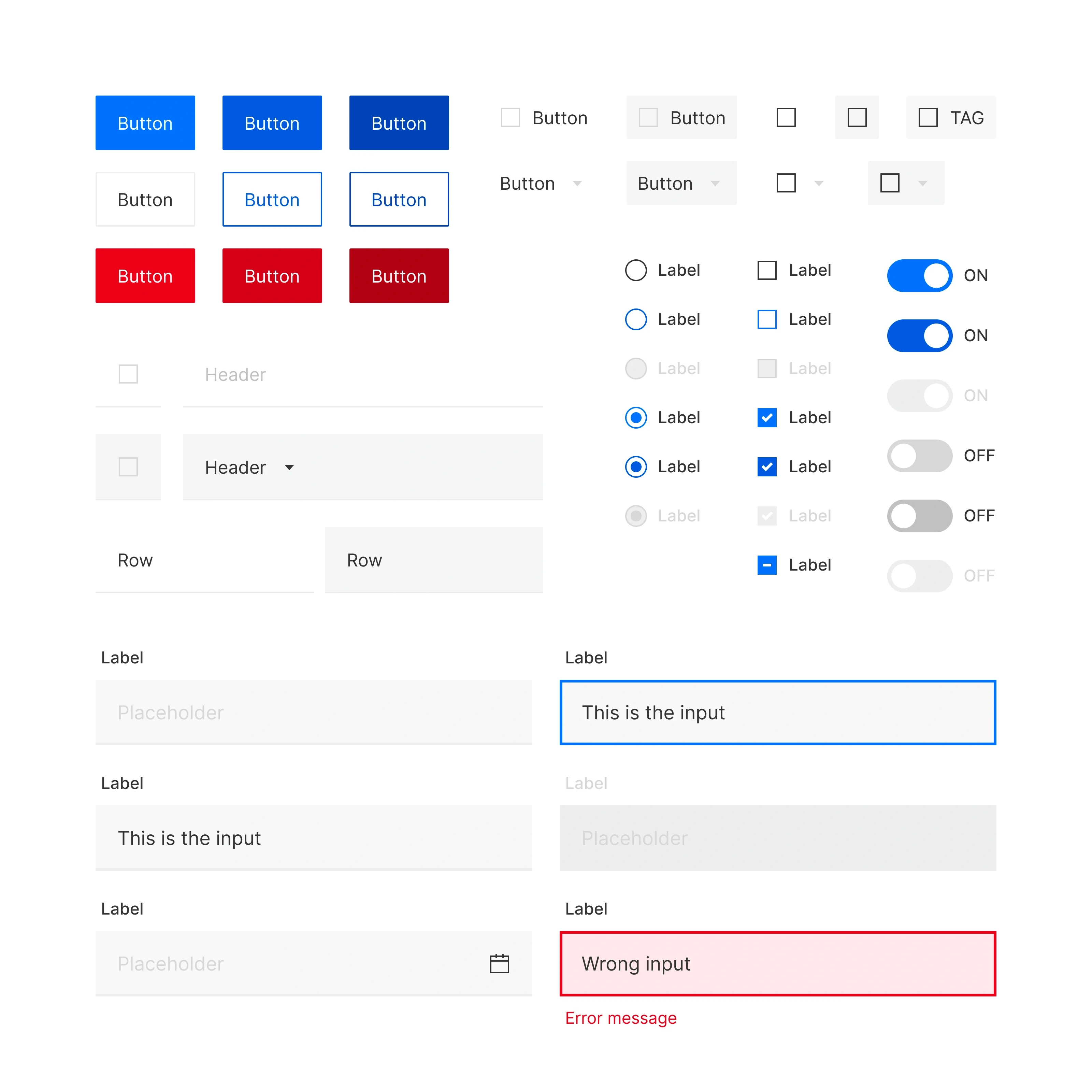
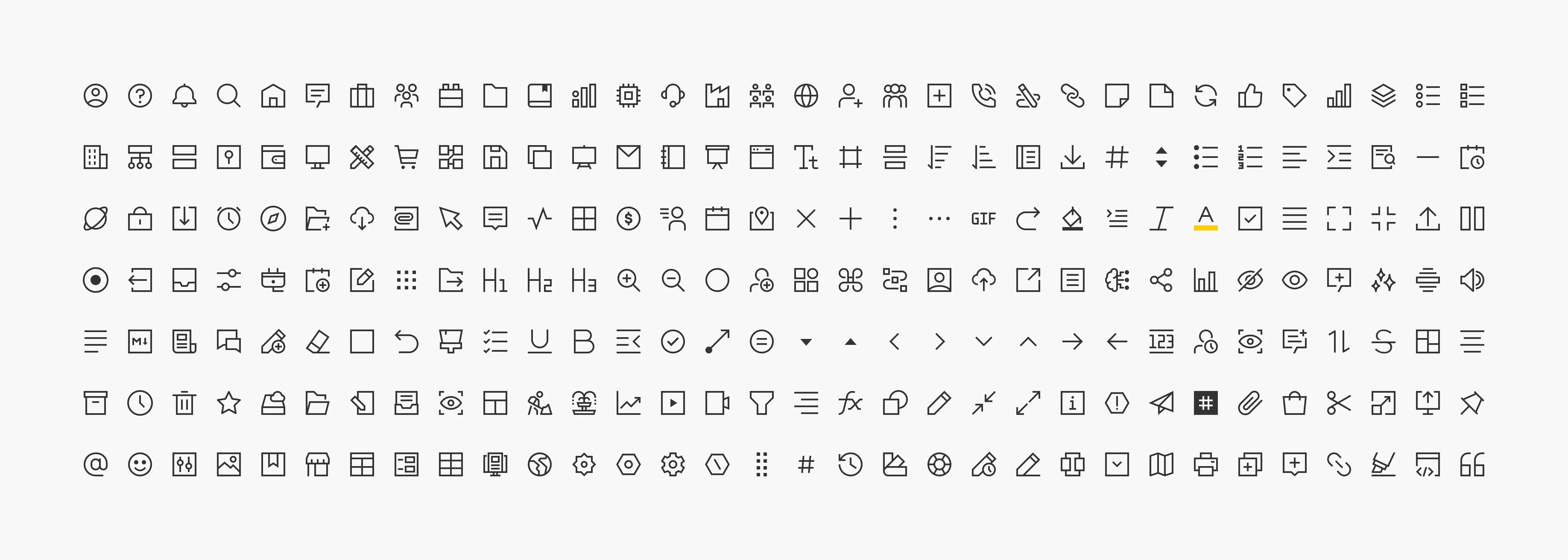
I created a scalable design system for Mavac that aligned with the brand’s visual language, emphasizing simplicity to reinforce the product’s core values of efficiency and precision.
We built on existing React UI libraries to establish the system quickly without reinventing basic components. This enabled us to focus our design effort on consistency, extensibility, and system-level coherence, ensuring patterns and interactions scaled cleanly across modules, eliminating the need to design them repeatedly in isolation.
I created a scalable design system for Mavac that aligned with the brand’s visual language, emphasizing simplicity to reinforce the product’s core values of efficiency and precision.
We built on existing React UI libraries to establish the system quickly without reinventing basic components. This enabled us to focus our design effort on consistency, extensibility, and system-level coherence, ensuring patterns and interactions scaled cleanly across modules, eliminating the need to design them repeatedly in isolation.
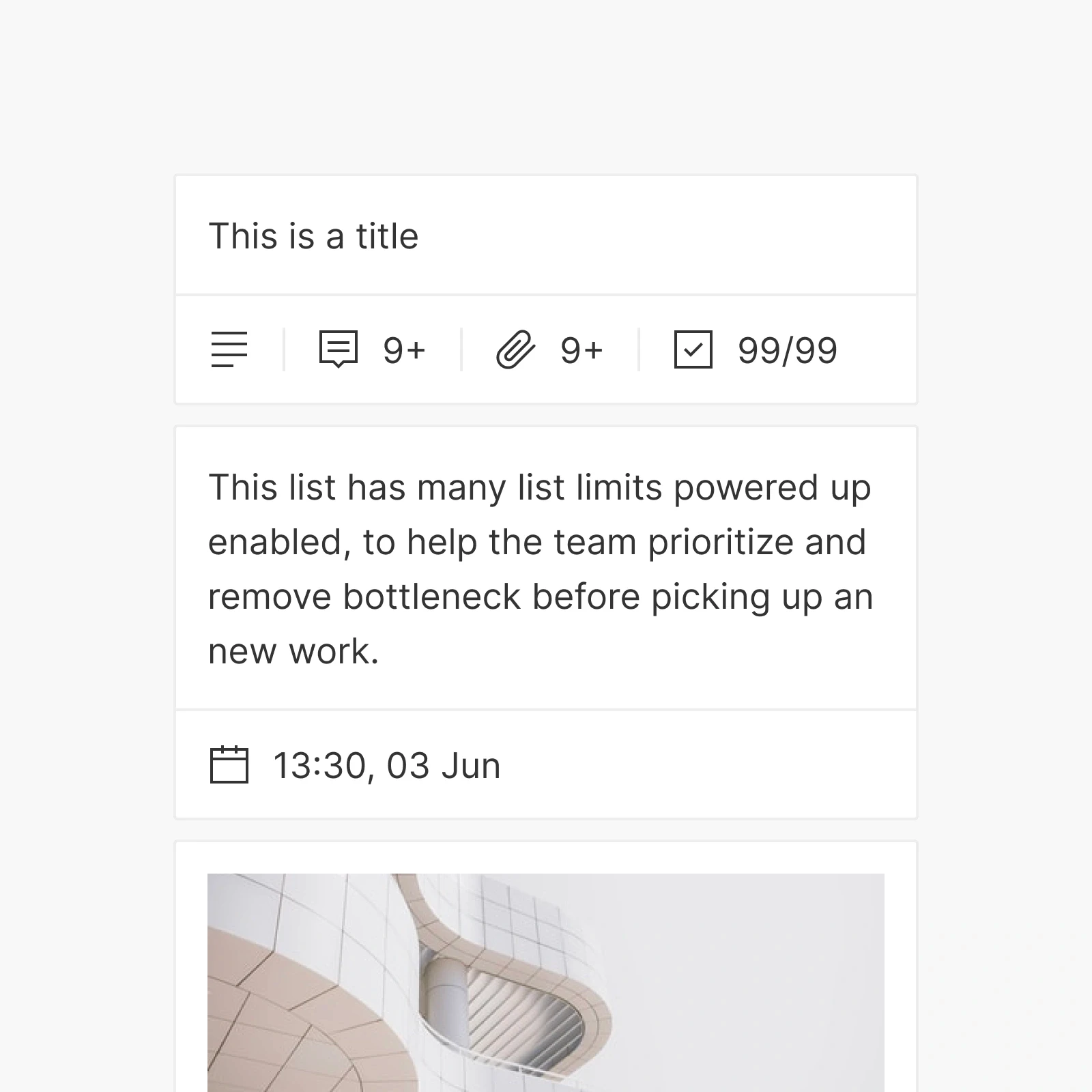
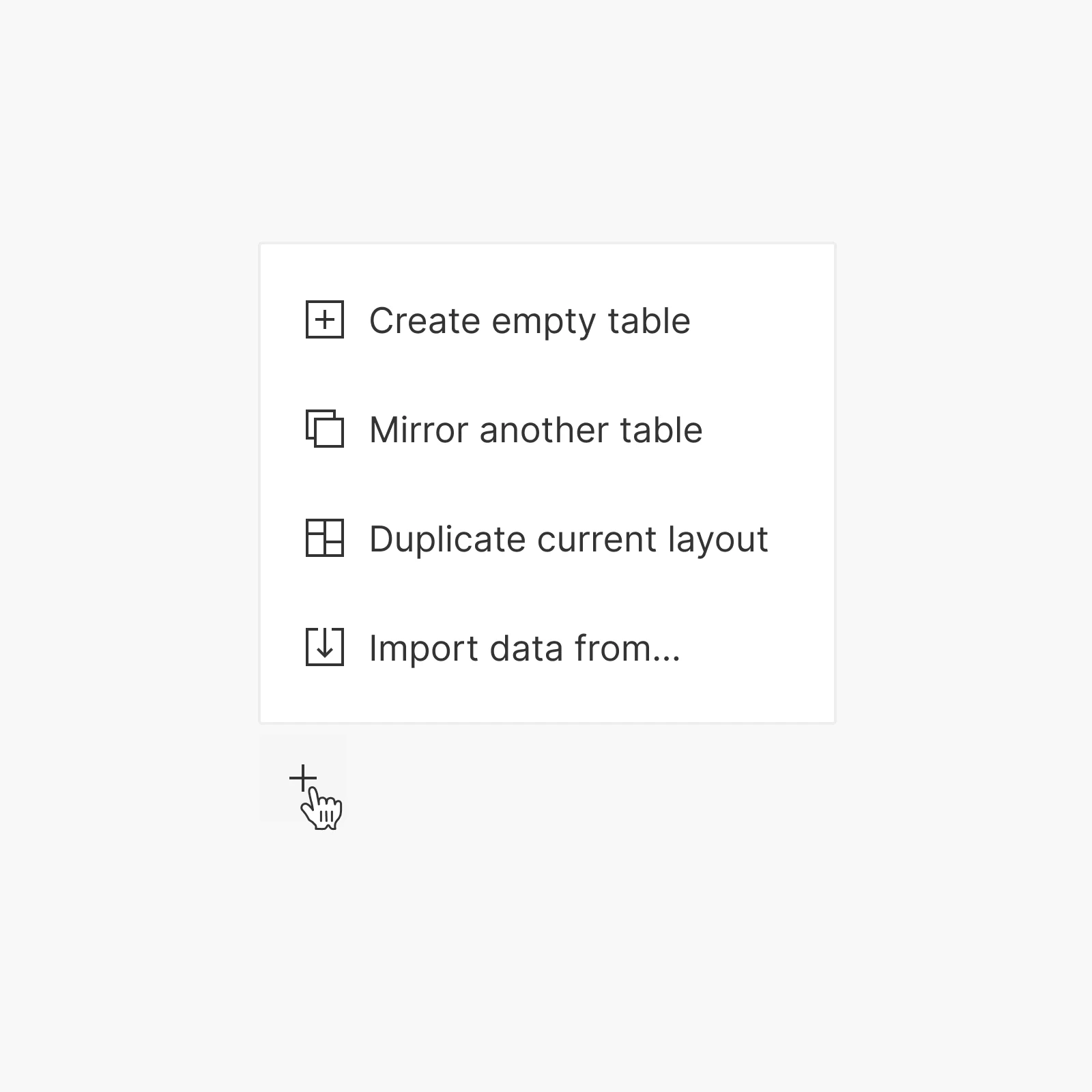
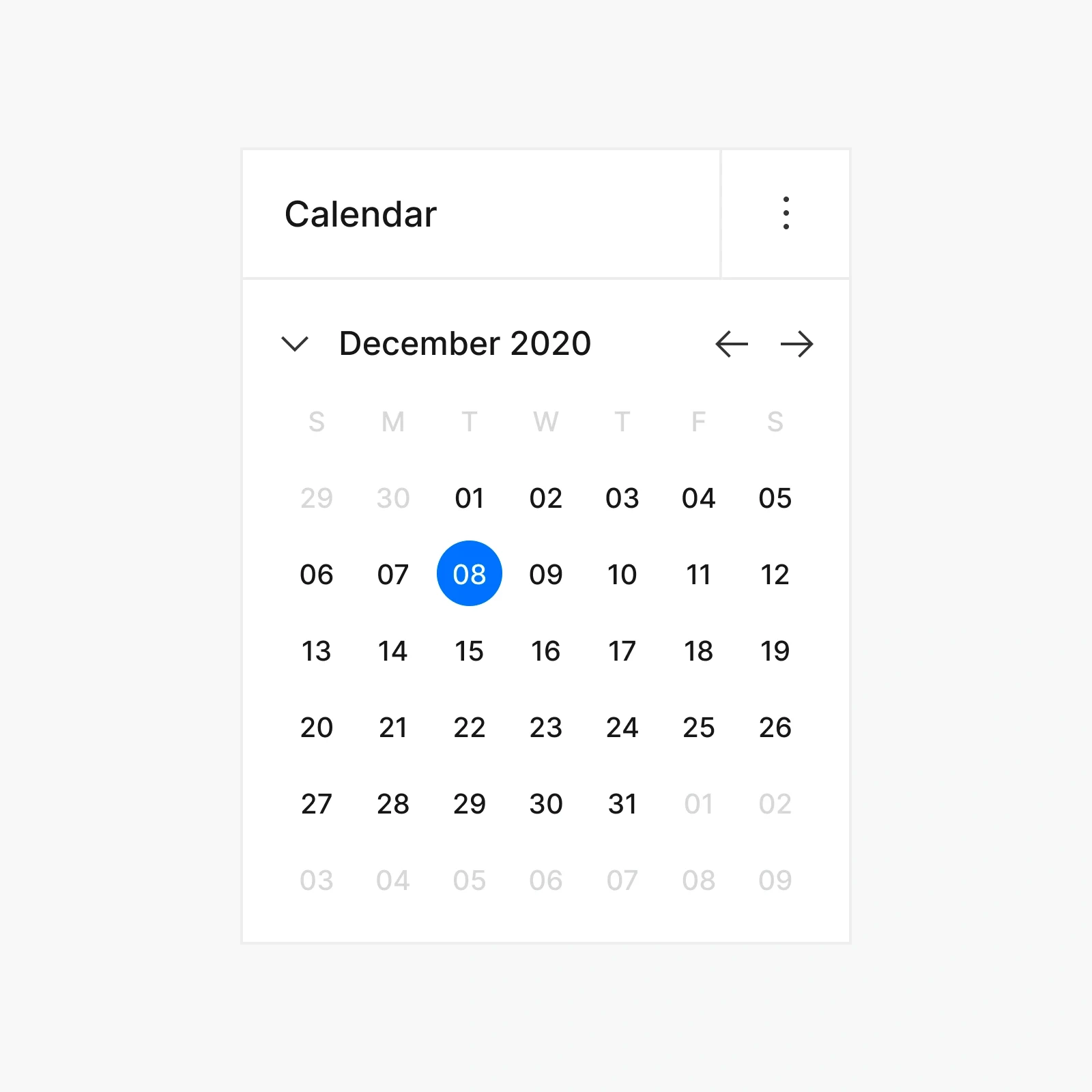
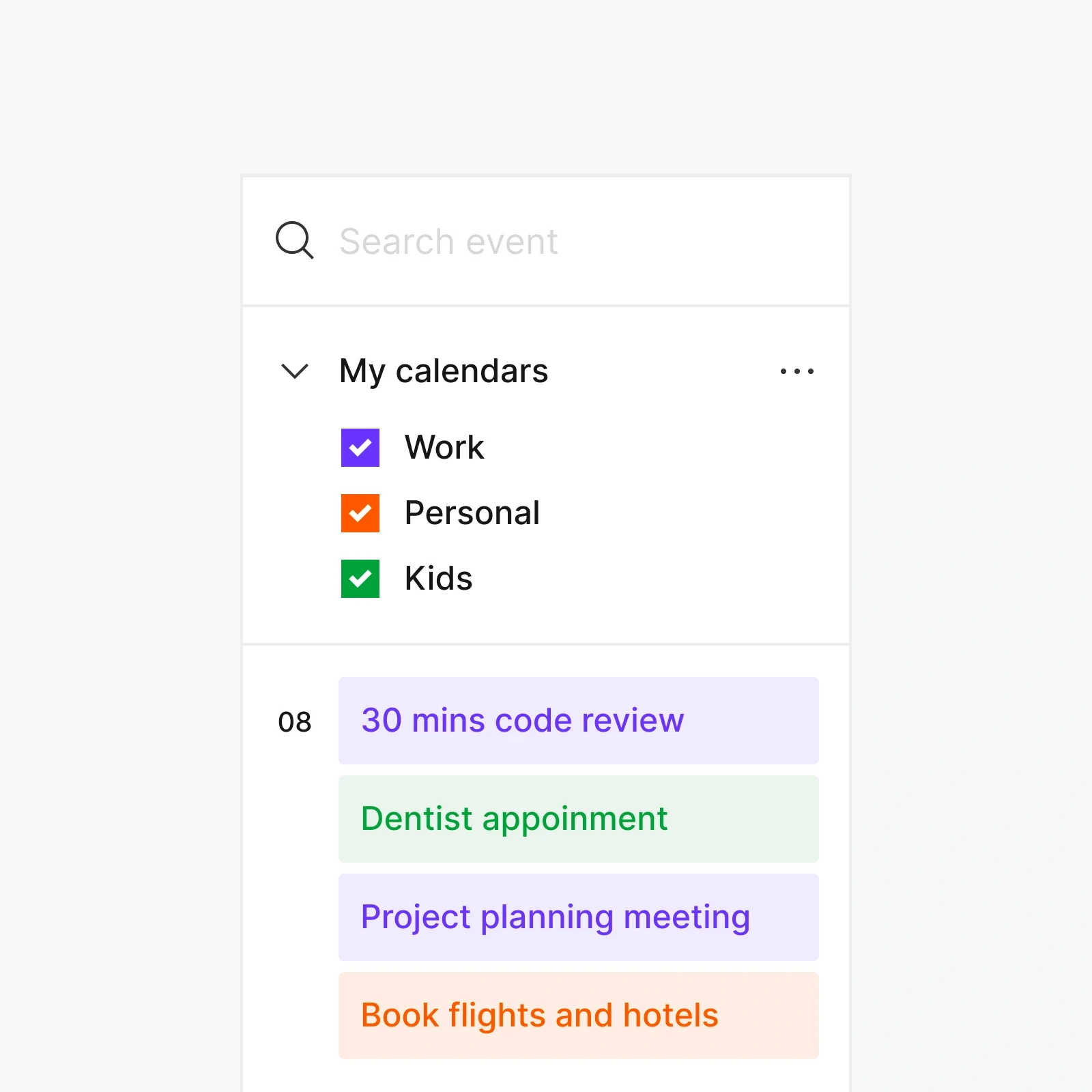
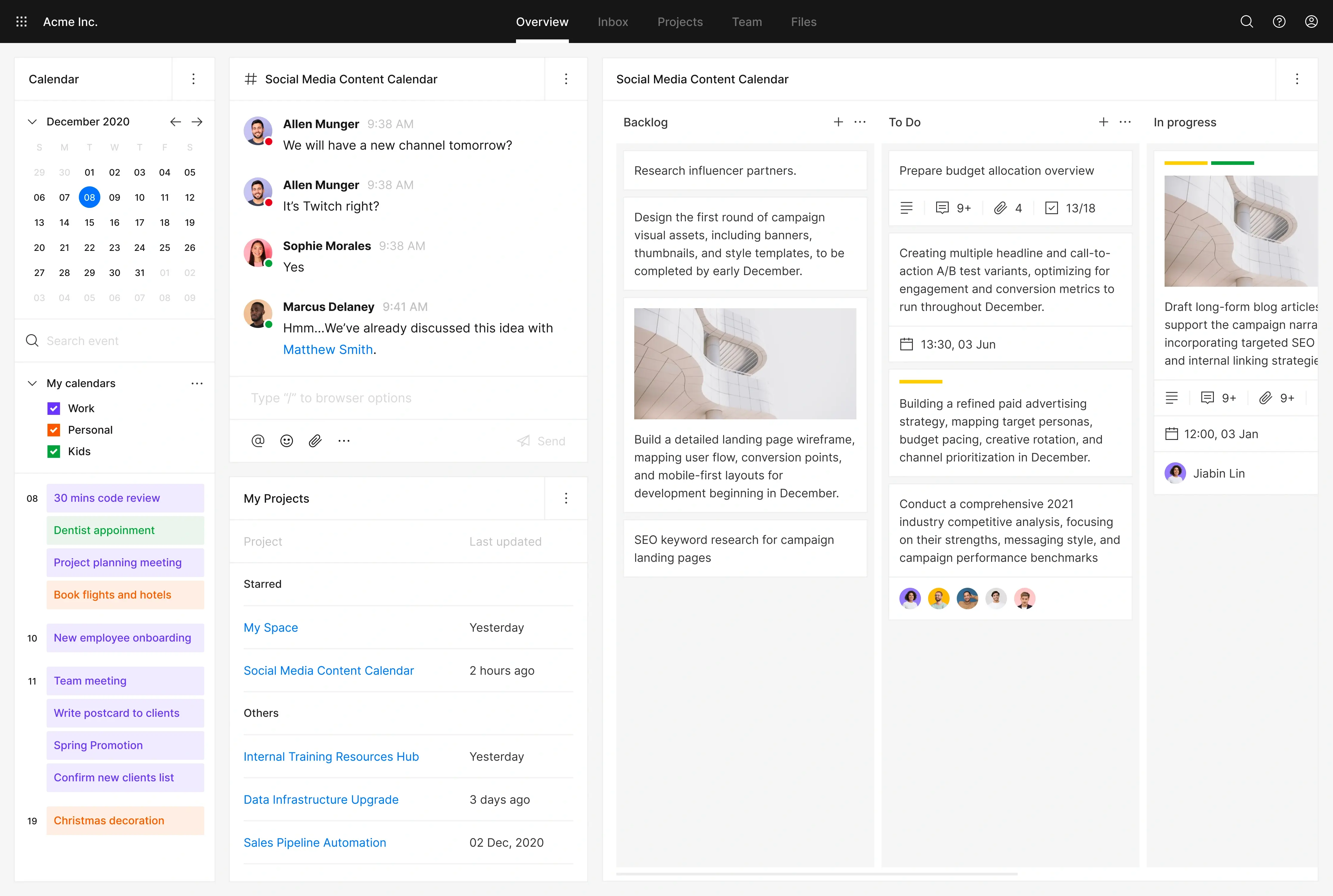
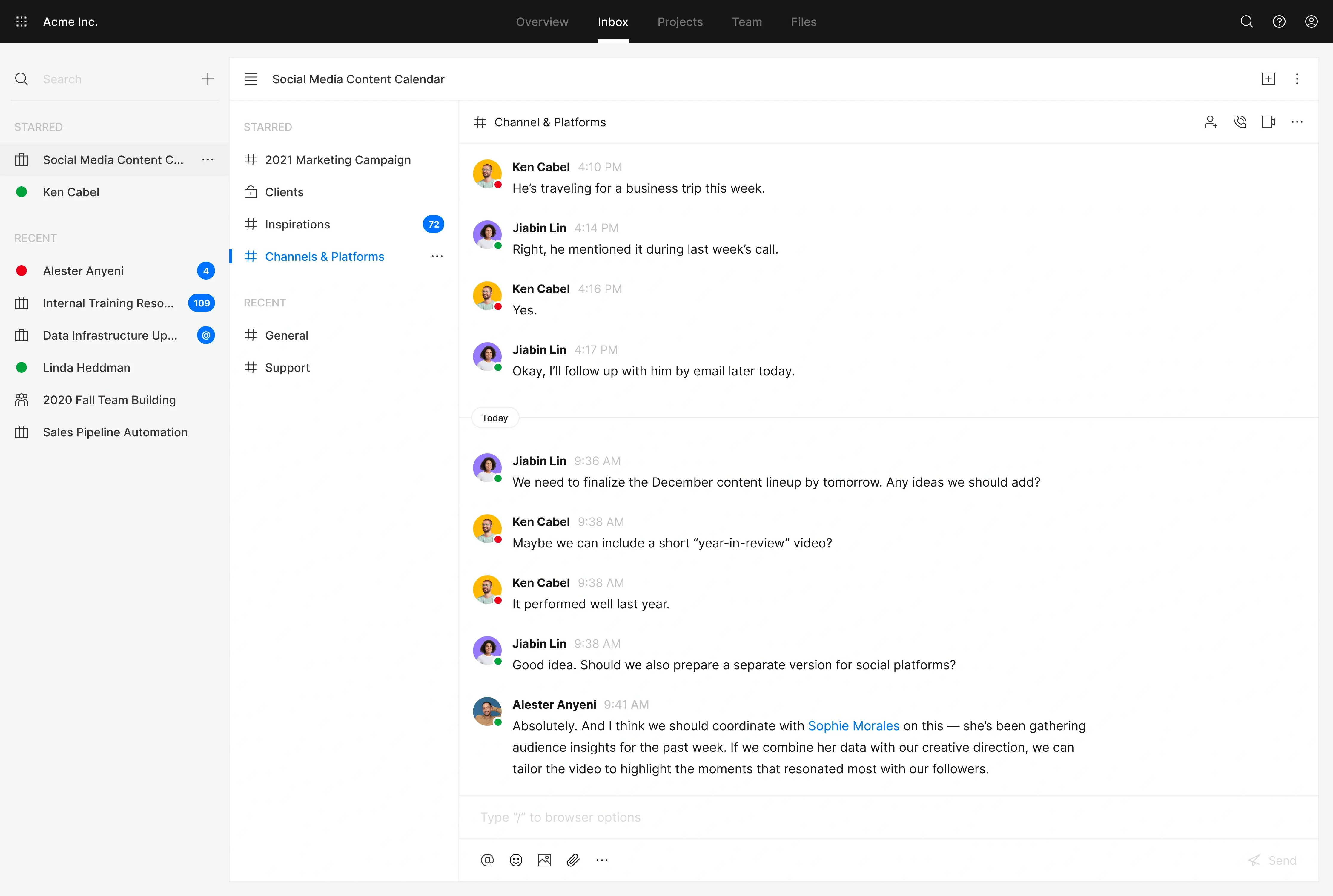
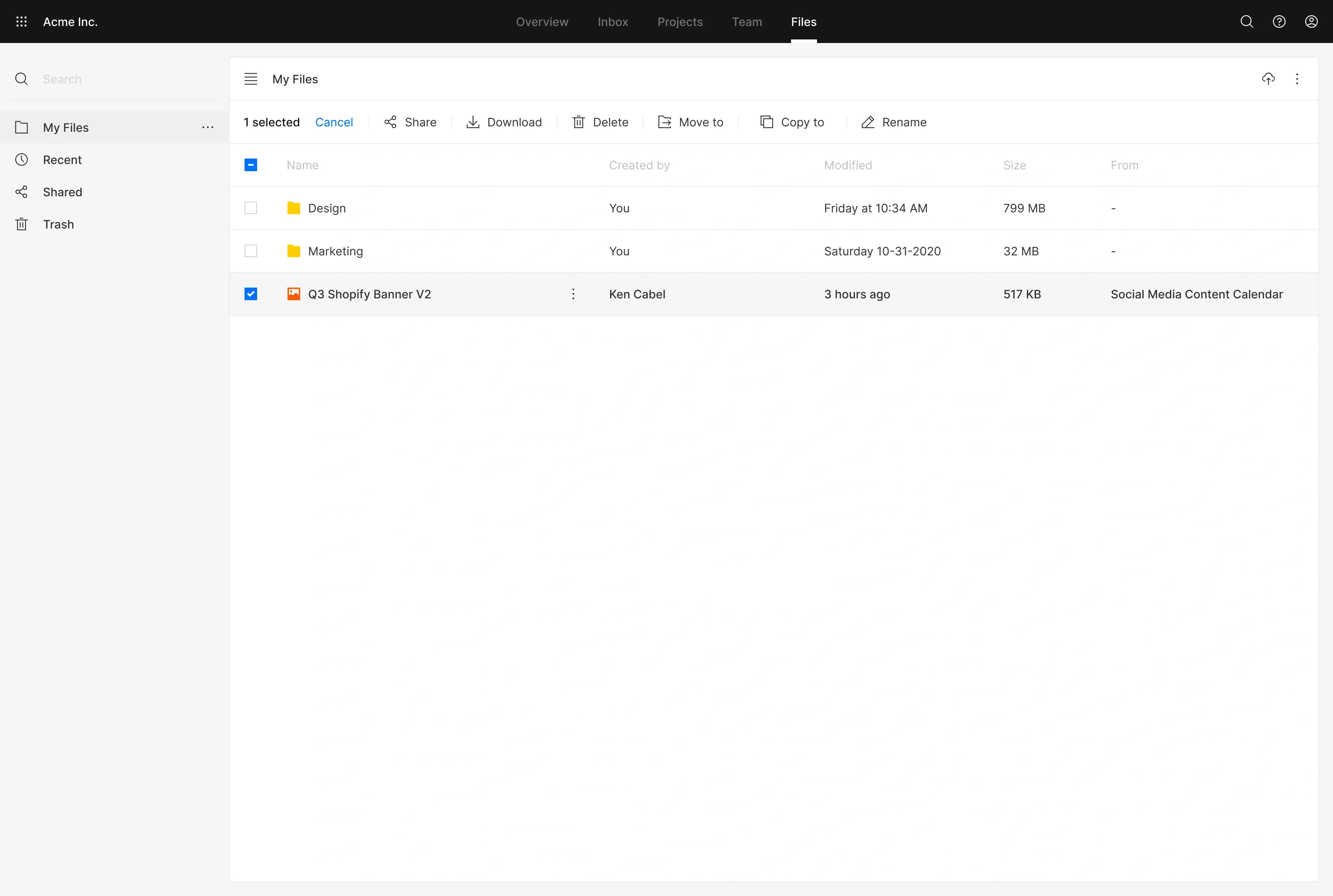
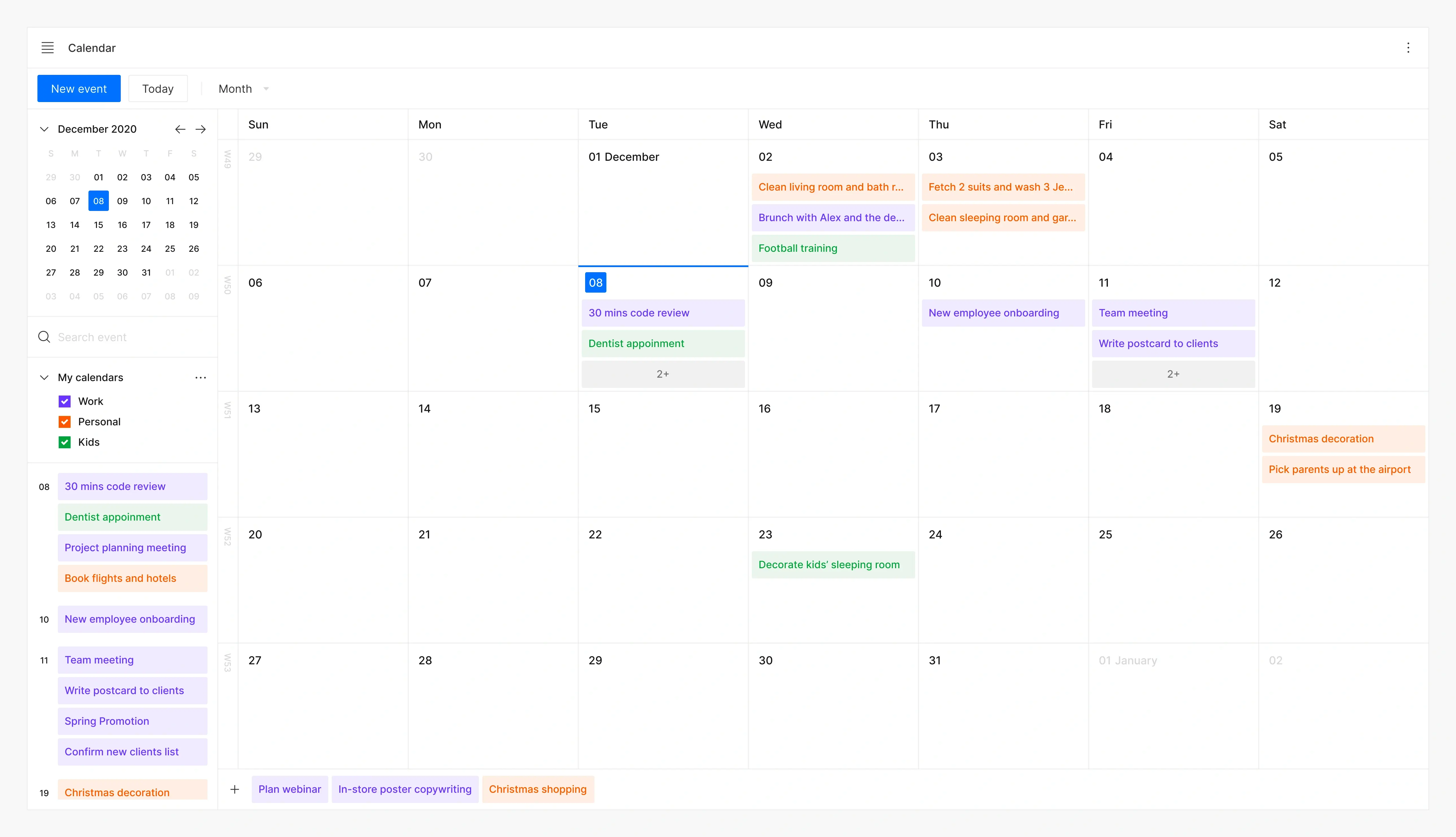
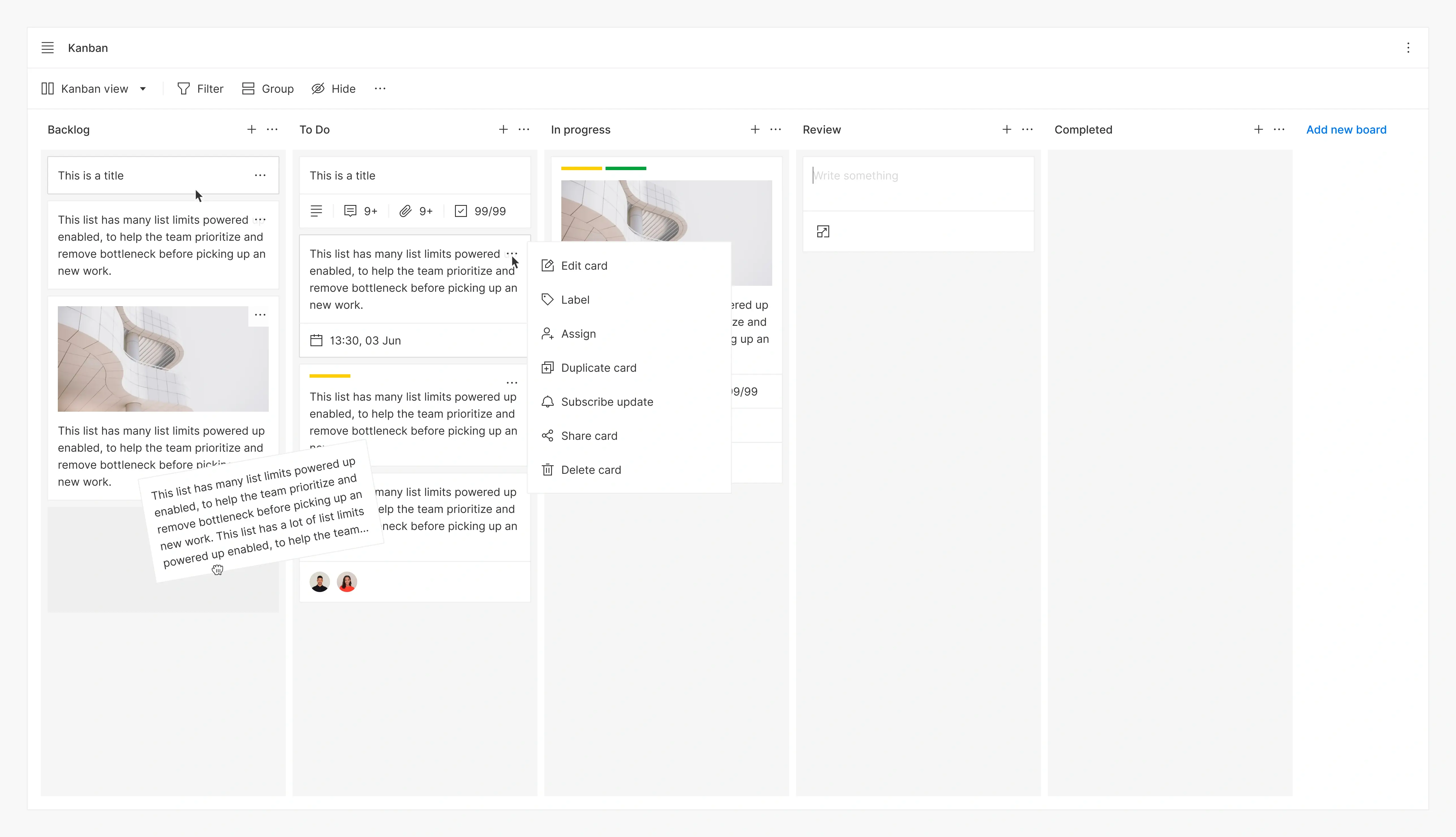
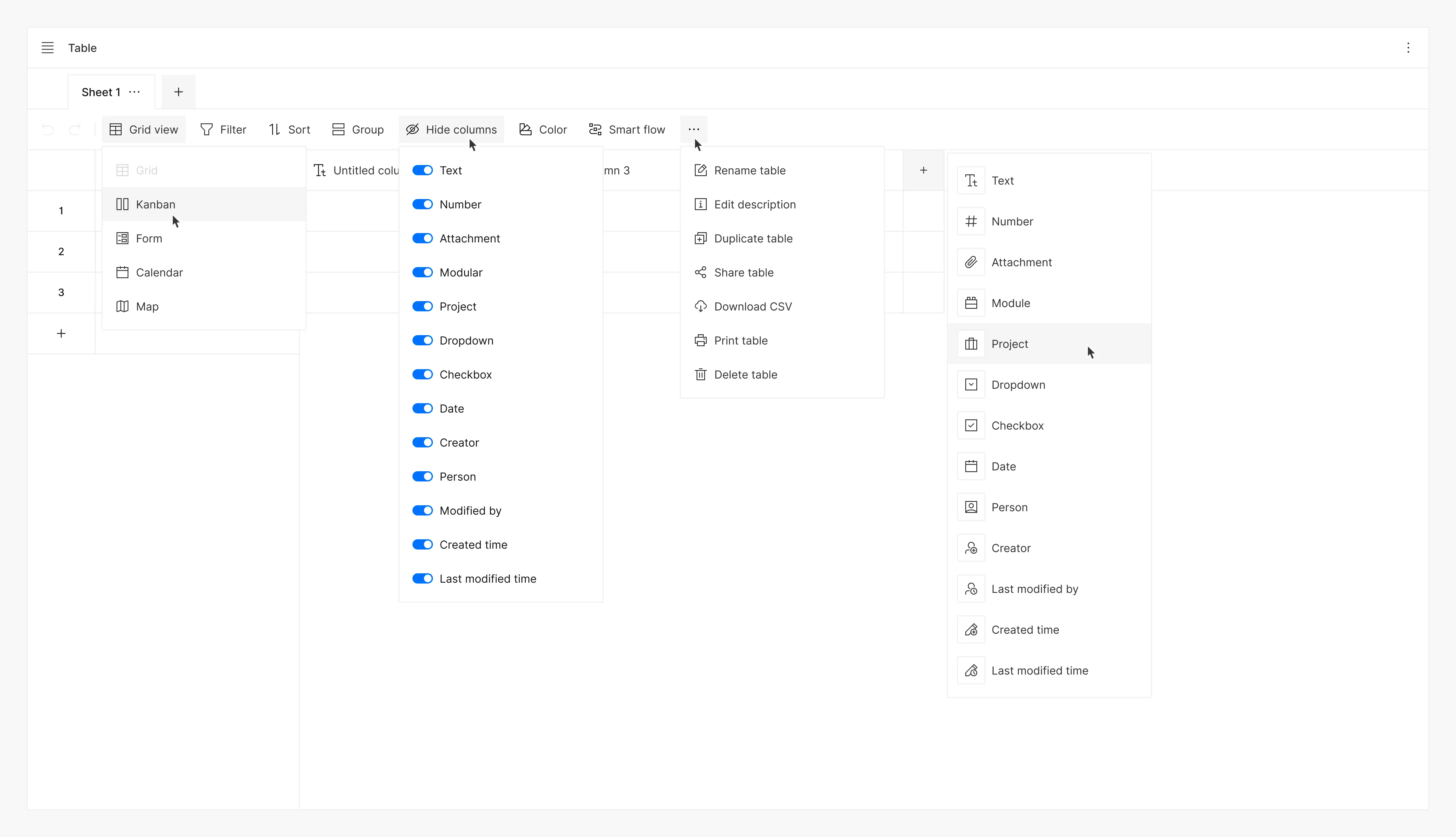
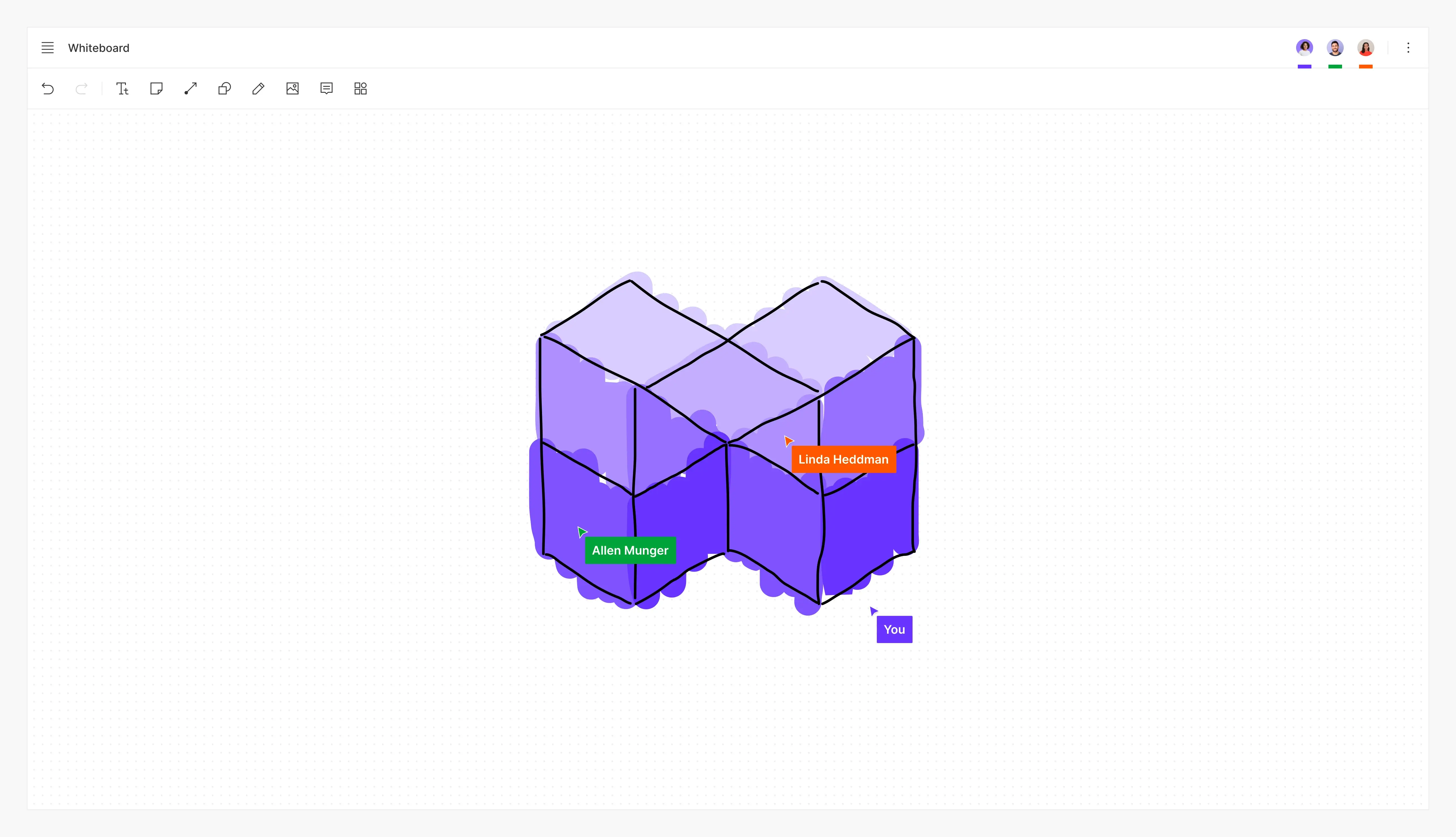
To support flexibility and long-term growth, I designed a set of modular building blocks that teams could assemble based on their needs rather than follow a fixed workflow. These modules covered core work scenarios such as chat, whiteboards, email, calendars, text editors, sheets, and Kanban boards.
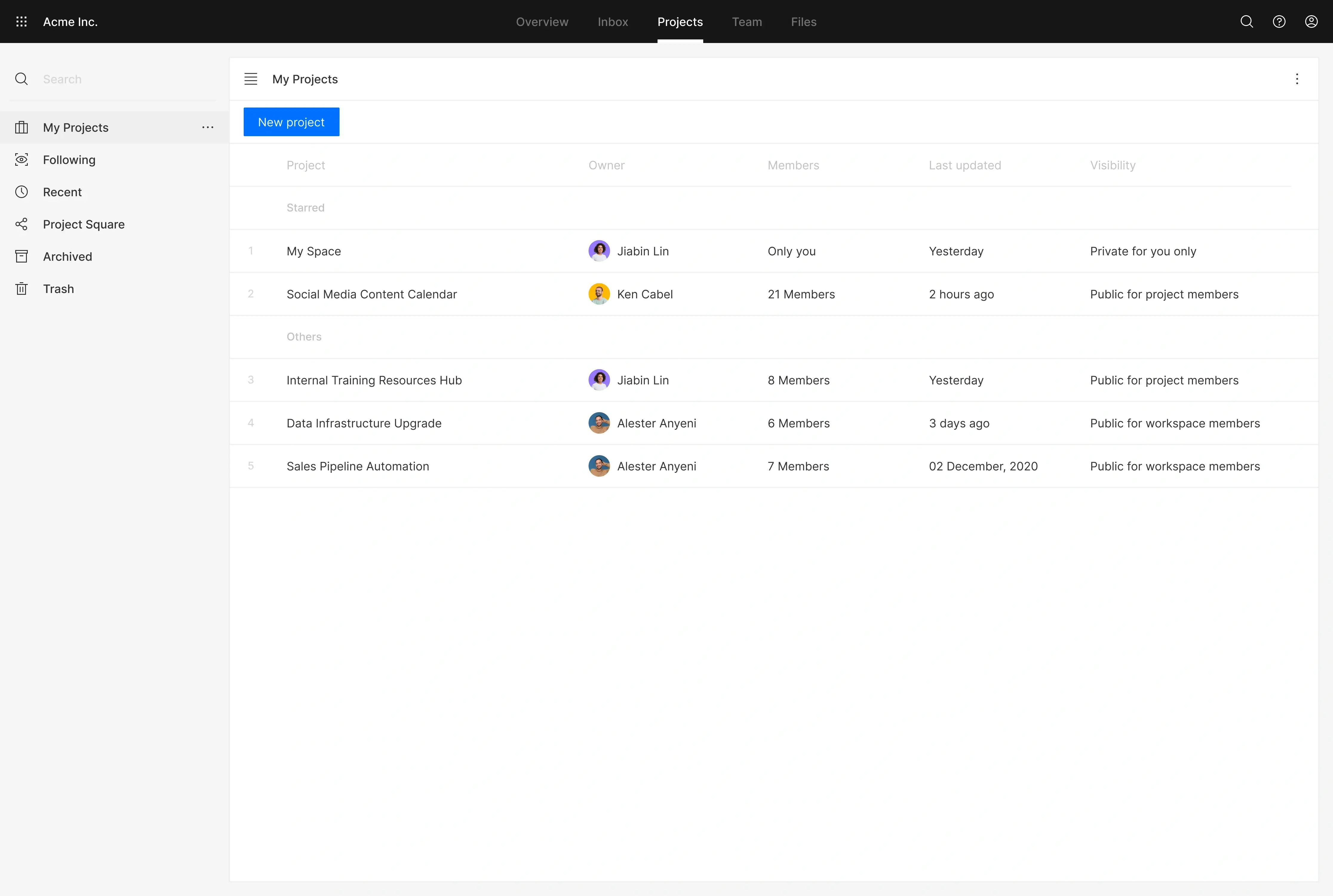
All modules were designed to share a common layout structure, hierarchy, and interaction patterns. This consistency created a familiar experience across tools, reduced cognitive load and learning time, and allowed users to move seamlessly between workflows without forcing them to relearn core patterns.
To support flexibility and long-term growth, I designed a set of modular building blocks that teams could assemble based on their needs rather than follow a fixed workflow. These modules covered core work scenarios such as chat, whiteboards, email, calendars, text editors, sheets, and Kanban boards.
All modules were designed to share a common layout structure, hierarchy, and interaction patterns. This consistency created a familiar experience across tools, reduced cognitive load and learning time, and allowed users to move seamlessly between workflows without forcing them to relearn core patterns.
Building an all-in-one collaboration platform was ambitious and presented significant technical and design challenges. Real-time collaboration, cross-module synchronization, and permissions control each required complex technical solutions that exceeded what we could support with the team and timeline we had.
While development was ultimately paused due to resource constraints, the work gave me hands-on experience in systems thinking. I strengthened my ability to integrate diverse workflows into a coherent product and developed a clearer view of the trade-offs involved in building modern collaboration tools.
Building an all-in-one collaboration platform was ambitious and presented significant technical and design challenges. Real-time collaboration, cross-module synchronization, and permissions control each required complex technical solutions that exceeded what we could support with the team and timeline we had.
While development was ultimately paused due to resource constraints, the work gave me hands-on experience in systems thinking. I strengthened my ability to integrate diverse workflows into a coherent product and developed a clearer view of the trade-offs involved in building modern collaboration tools.