OnTime & PIXELL
OnTime & PIXELL
2018 • iOS APP DEVELOPMENT
2018 • iOS APP DEVELOPMENT
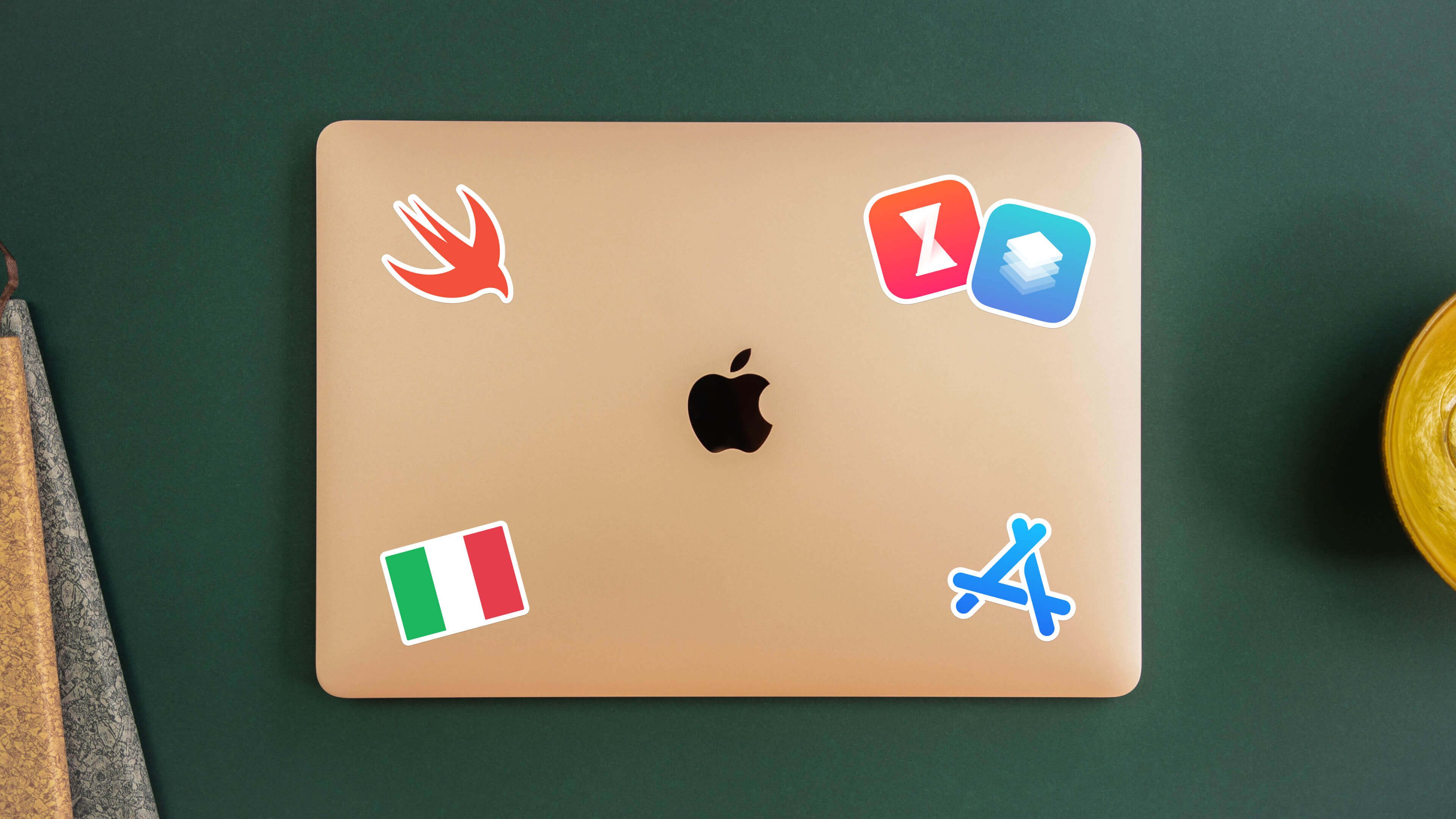
As a product designer, I believe understanding how products are built is essential to collaborating effectively with engineers. In 2018, while pursuing my master’s degree in Italy, I taught myself Swift 4.1 and turned my design ideas into fully functional iOS products. Over three months of intensive self-study, I independently designed, developed, and shipped two apps—OnTime and PIXELL—taking full ownership of the entire process—from concept and UI design to development, testing, and App Store release.
As a product designer, I believe understanding how products are built is essential to collaborating effectively with engineers. In 2018, while pursuing my master’s degree in Italy, I taught myself Swift 4.1 and turned my design ideas into fully functional iOS products. Over three months of intensive self-study, I independently designed, developed, and shipped two apps—OnTime and PIXELL—taking full ownership of the entire process—from concept and UI design to development, testing, and App Store release.
OnTime is a lightweight, ad-free countdown timer designed around clarity and focus. The app emphasizes a minimal interface, bold style, clear information hierarchy, and smooth interactions, supporting use cases such as deep work, workouts, cooking, and meditation.
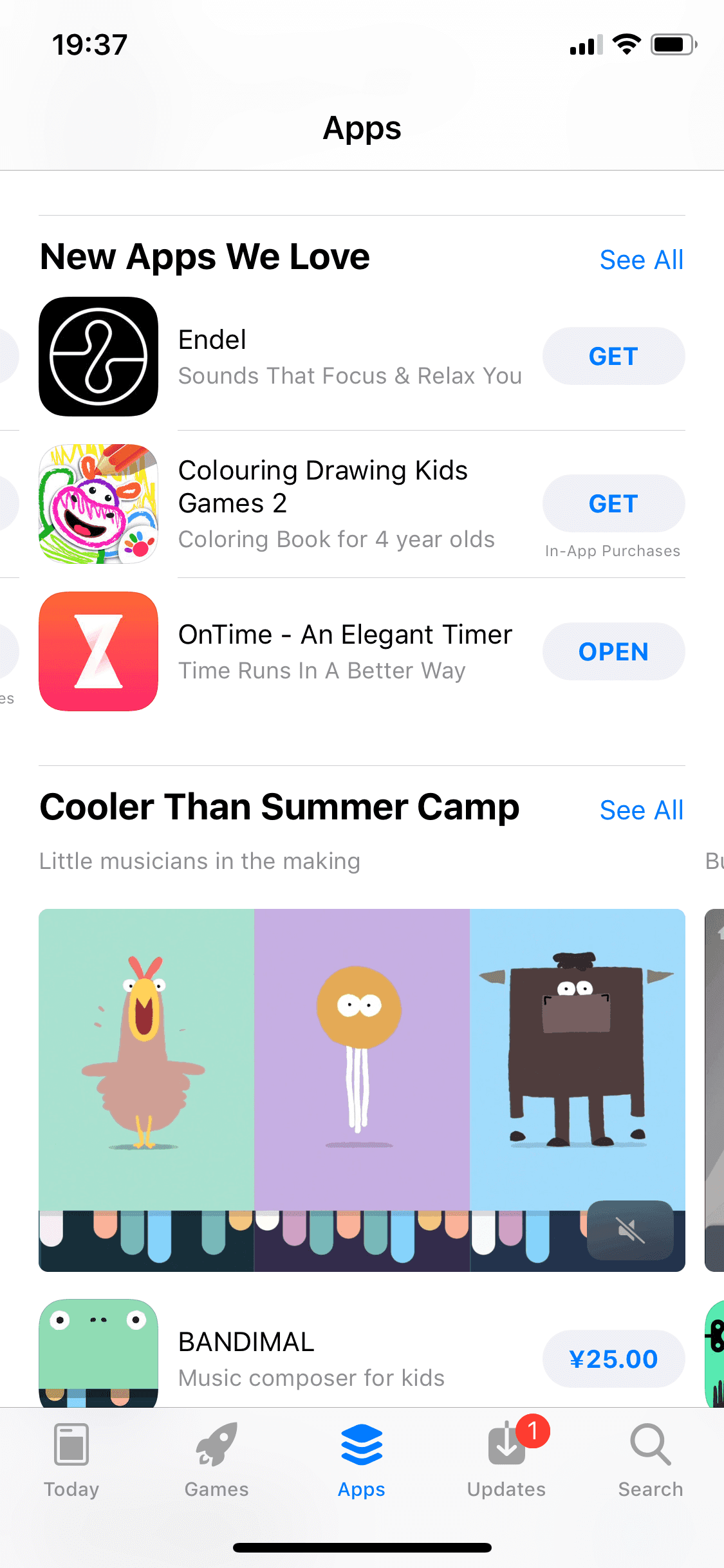
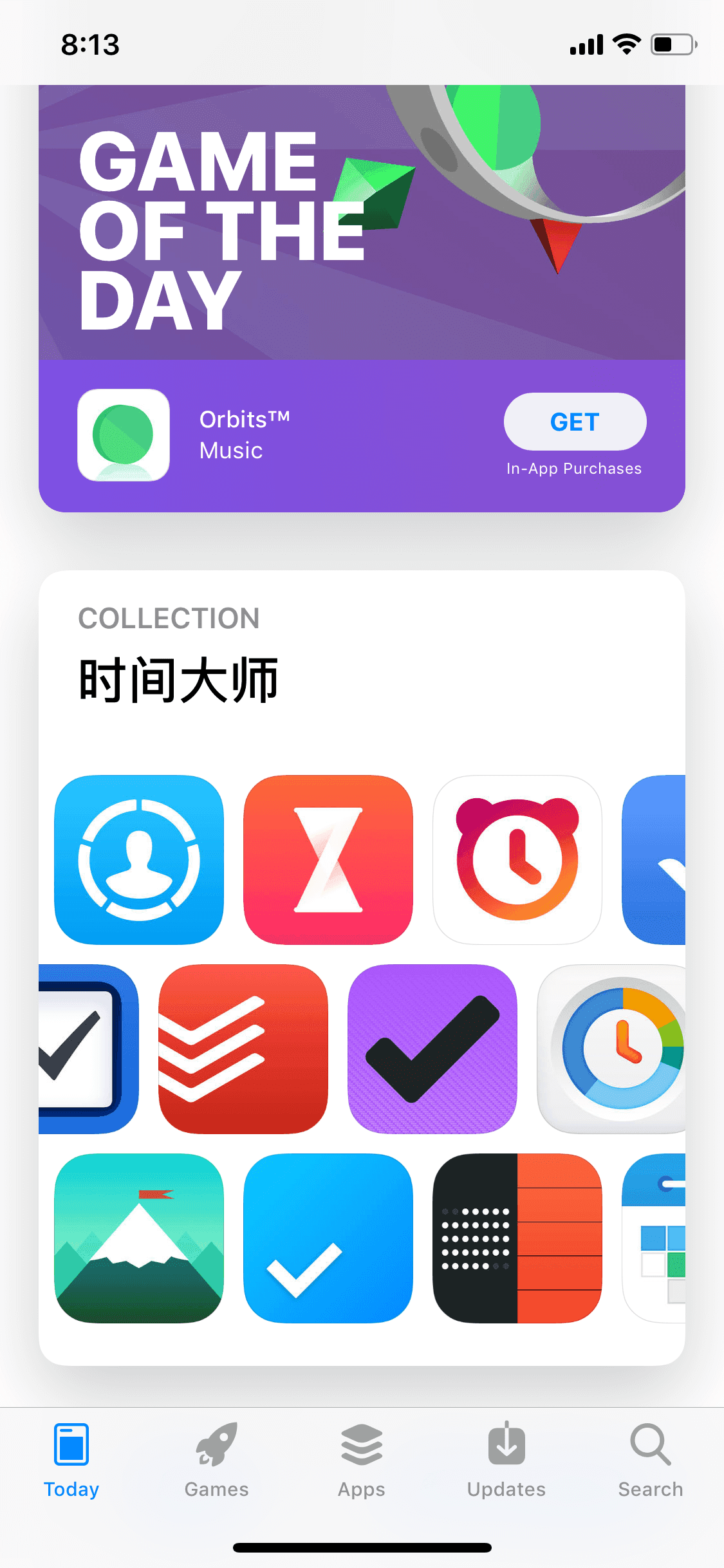
Within its first month after launch, OnTime reached 10,000+ downloads worldwide, was featured in Apple’s “New Apps We Love” on the App Store, and achieved a 4.5-star user rating, validating both the design direction and overall product quality.
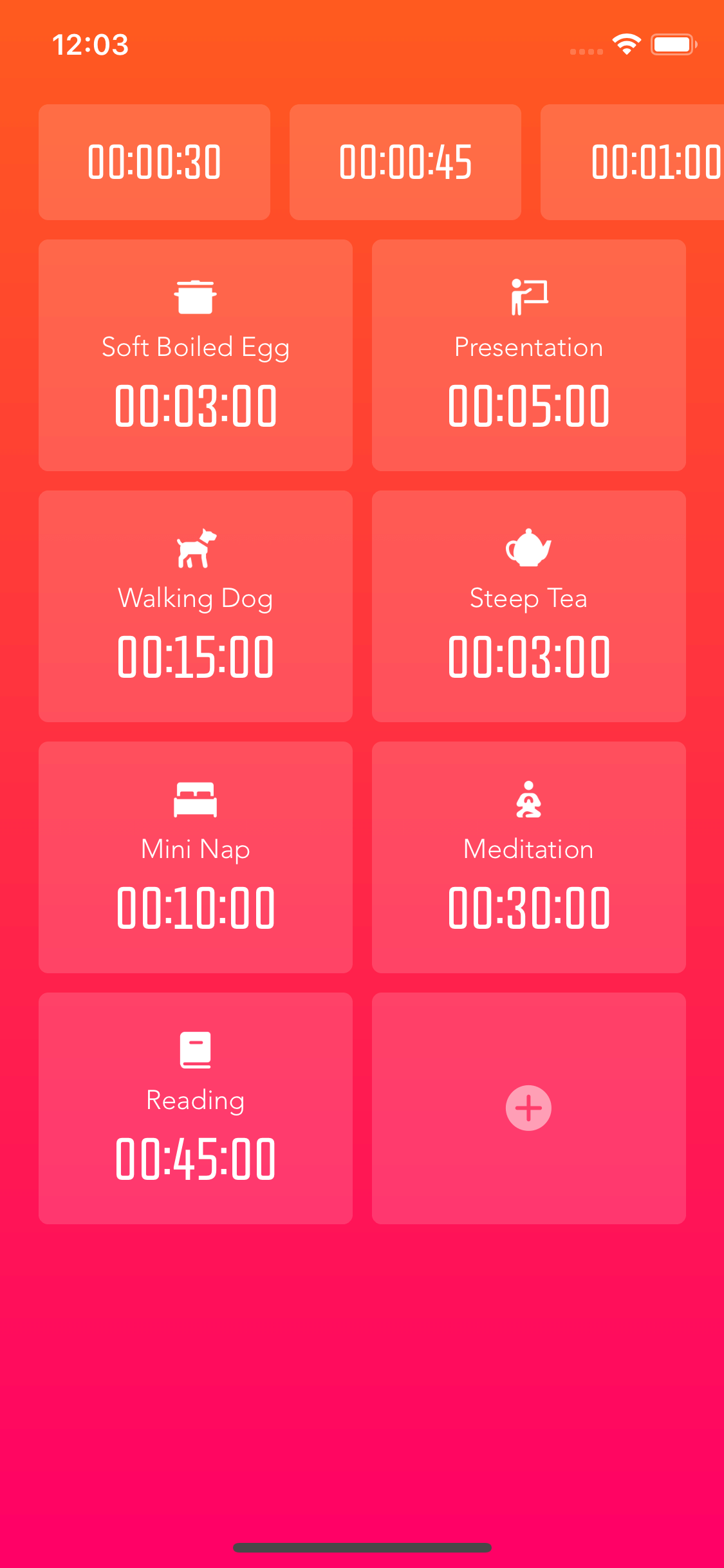
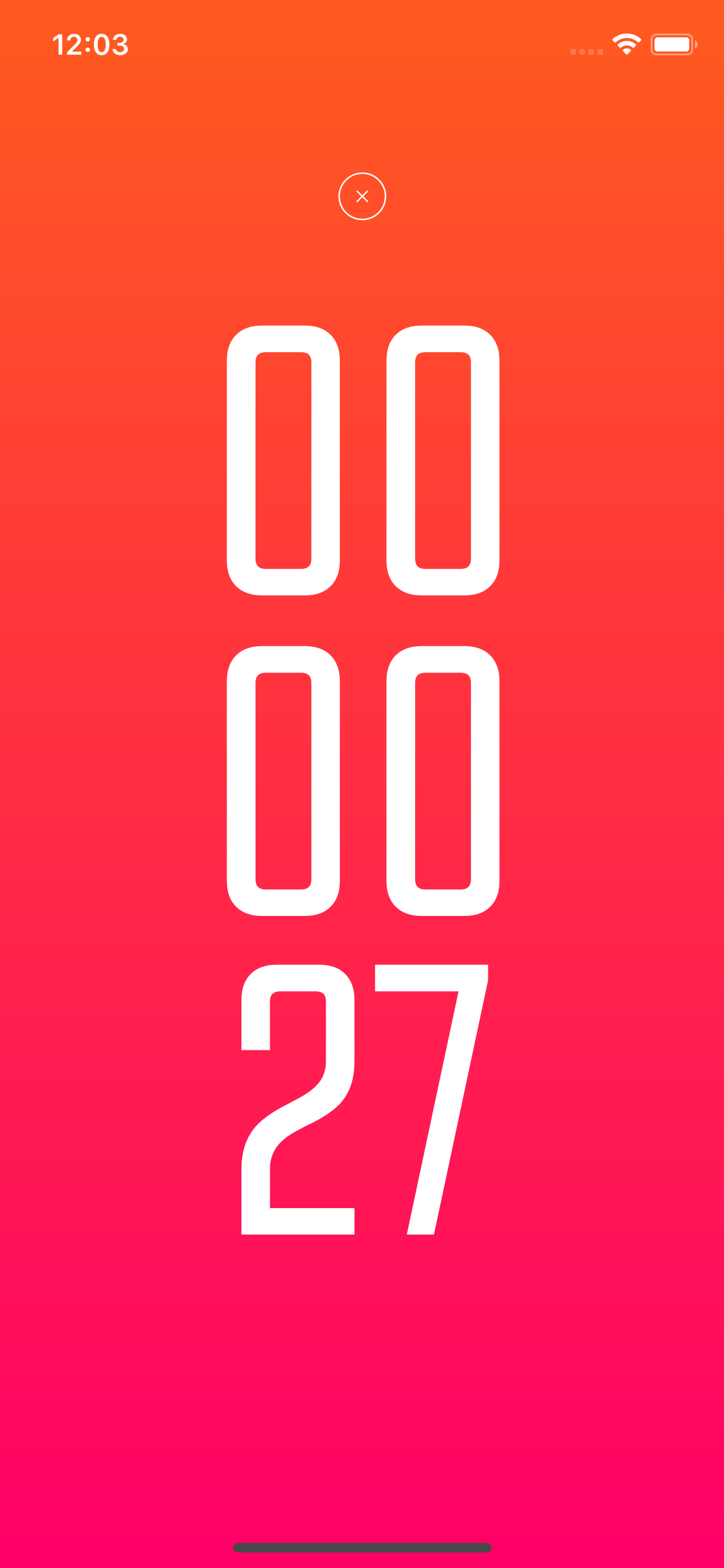
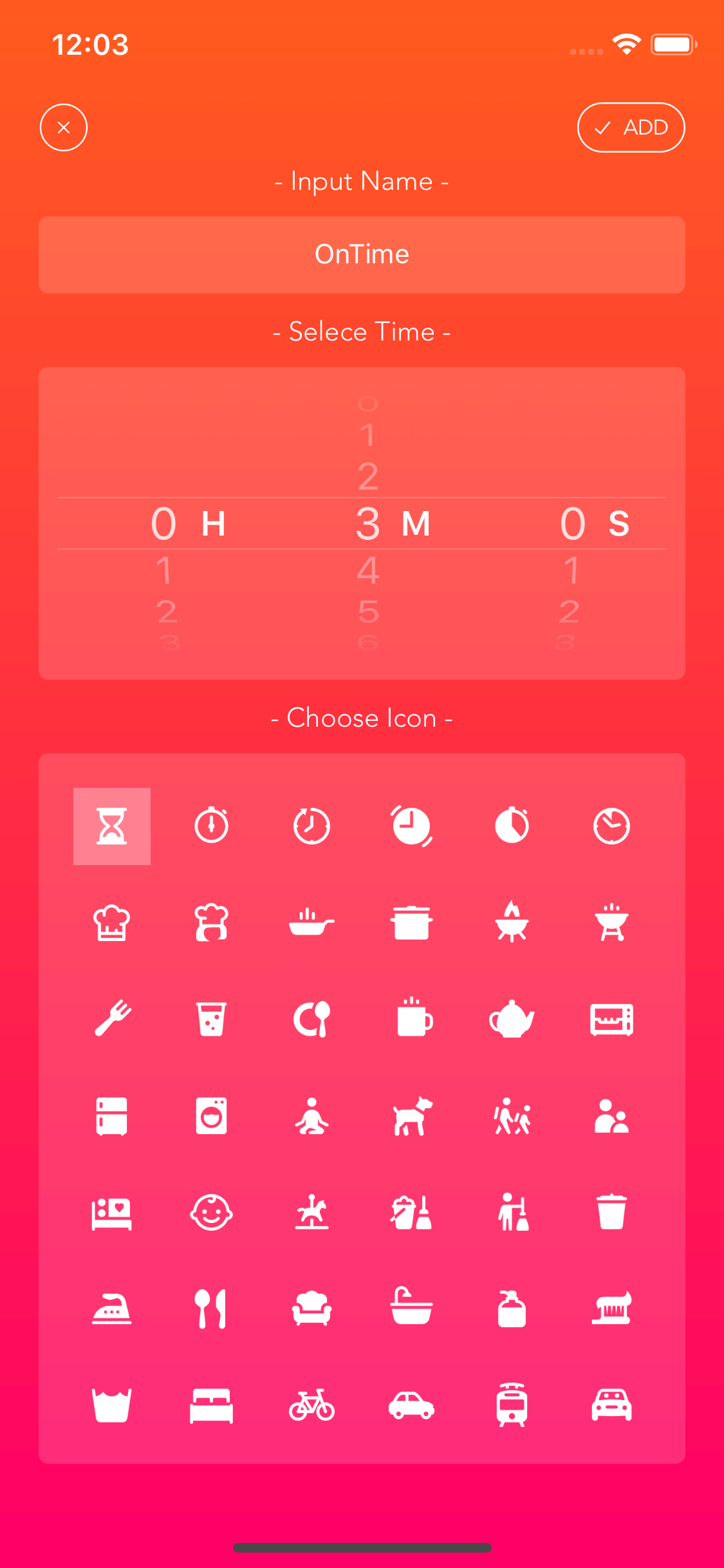
OnTime is a lightweight, ad-free countdown timer designed around clarity and focus. The app emphasizes a minimal interface, bold style, clear information hierarchy, and smooth interactions, supporting use cases such as deep work, workouts, cooking, and meditation.
Within its first month after launch, OnTime reached 10,000+ downloads worldwide, was featured in Apple’s “New Apps We Love” on the App Store, and achieved a 4.5-star user rating, validating both the design direction and overall product quality.
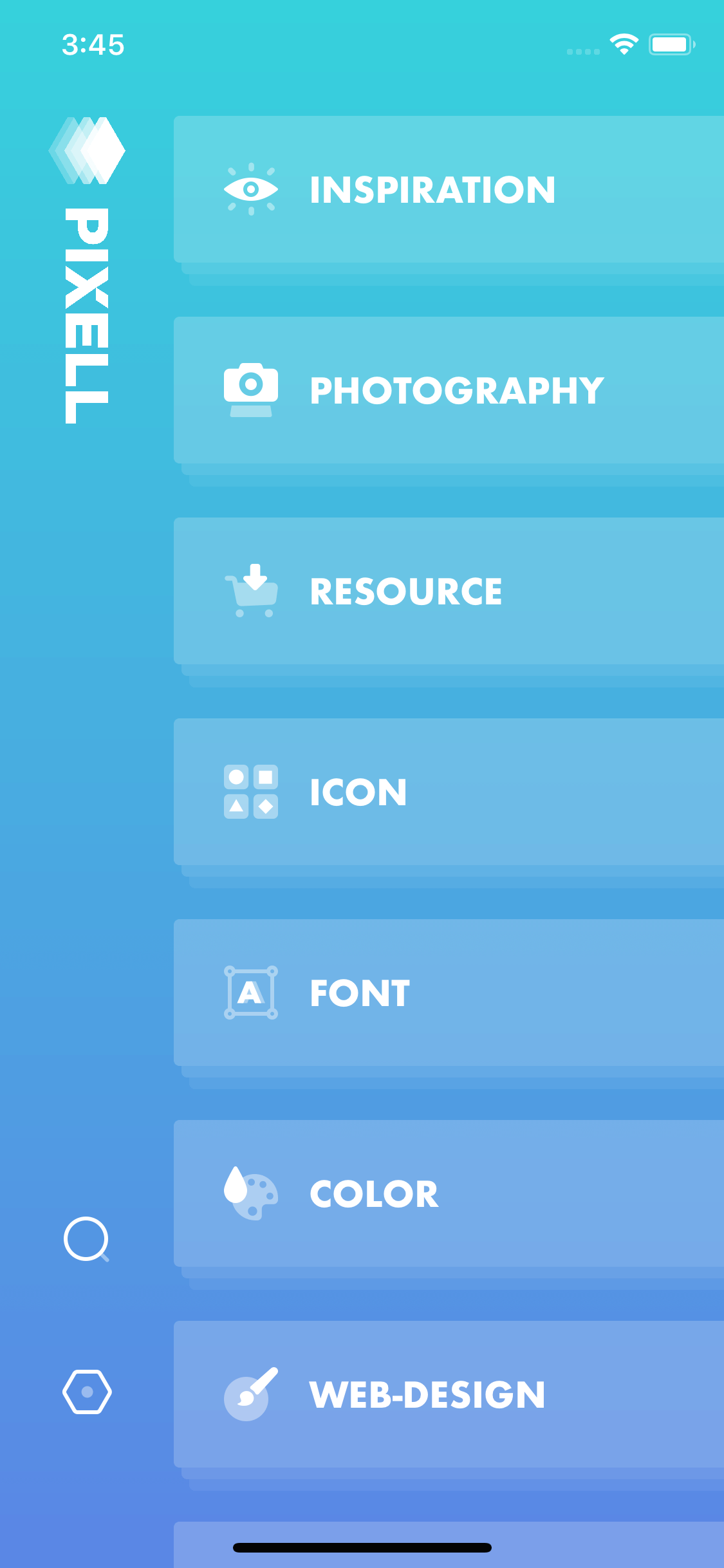
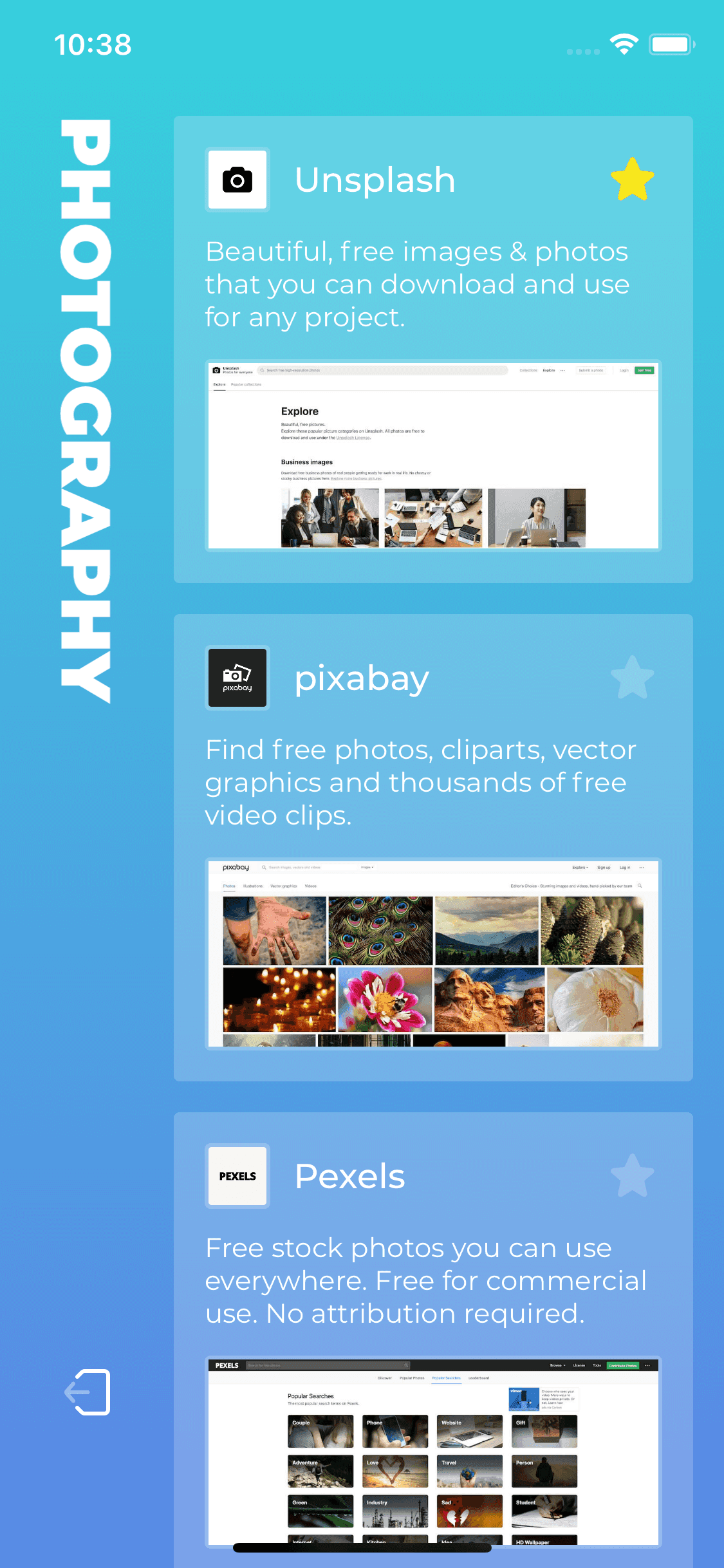
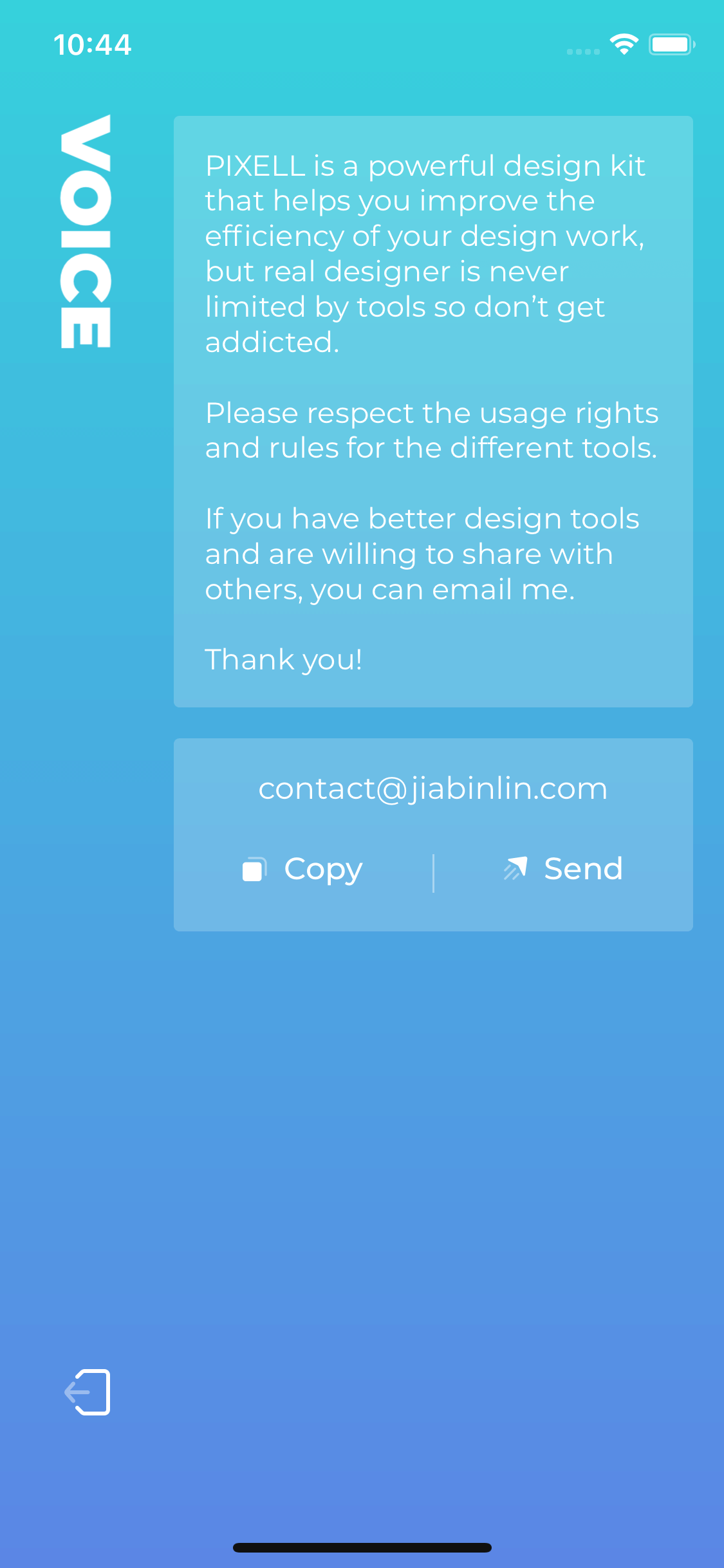
PIXELL is an iOS app that offers a curated library of design resources for designers, developers, and product managers. I carefully selected and tagged each resource for quick retrieval, emphasizing quality and practical relevance over sheer quantity. Assets are organized by typography, color palettes, icons, photography, and logos—helping users quickly find high-quality design references.
I engineered custom view transitions and fluid motion cues to provide better spatial awareness for users, prioritizing a polished, tactile feel over standard navigation.
PIXELL is an iOS app that offers a curated library of design resources for designers, developers, and product managers. I carefully selected and tagged each resource for quick retrieval, emphasizing quality and practical relevance over sheer quantity. Assets are organized by typography, color palettes, icons, photography, and logos—helping users quickly find high-quality design references.
I engineered custom view transitions and fluid motion cues to provide better spatial awareness for users, prioritizing a polished, tactile feel over standard navigation.
Learning Swift 4.1 was an intensive journey. A major challenge was bridging the gap between legacy resources and modern syntax—often requiring me to translate Objective-C solutions from community forums into functioning Swift code. I relied on official documentation, video tutorials, debugging, and iterative experimentation to make progress.
These two projects gave me hands-on experience shipping products end-to-end and reinforced the value of self-driven learning, technical empathy, and fast iteration. They also shaped how I collaborate with engineers today, grounding design decisions in what is feasible, high-performing, and maintainable in real products.
Learning Swift 4.1 was an intensive journey. A major challenge was bridging the gap between legacy resources and modern syntax—often requiring me to translate Objective-C solutions from community forums into functioning Swift code. I relied on official documentation, video tutorials, debugging, and iterative experimentation to make progress.
These two projects gave me hands-on experience shipping products end-to-end and reinforced the value of self-driven learning, technical empathy, and fast iteration. They also shaped how I collaborate with engineers today, grounding design decisions in what is feasible, high-performing, and maintainable in real products.