Ericsson Design System
Ericsson Design System
2019–2022 • ENTERPRISE DESIGN SYSTEM
2019–2022 • ENTERPRISE DESIGN SYSTEM
Ericsson Design System (EDS) is the foundational design platform powering a wide range of Ericsson’s products and services. It provides designers and developers with a shared language—spanning UX foundations, components, tokens, documentation, and code—to build consistent, scalable, and accessible user experiences. As one of the design owners and core contributors to EDS, I led the end-to-end design and optimization of key foundational components and patterns, and contributed to the system’s long-term scalability, governance, and adoption.
Ericsson Design System (EDS) is the foundational design platform powering a wide range of Ericsson’s products and services. It provides designers and developers with a shared language—spanning UX foundations, components, tokens, documentation, and code—to build consistent, scalable, and accessible user experiences. As one of the design owners and core contributors to EDS, I led the end-to-end design and optimization of key foundational components and patterns, and contributed to the system’s long-term scalability, governance, and adoption.
Before EDS, ad hoc UI solutions created not only visual inconsistency, but also operational risks. For mission-critical telecom products, a fragmented interface could lead to cognitive overload and errors. EDS was established to ensure reliability and safety at scale.
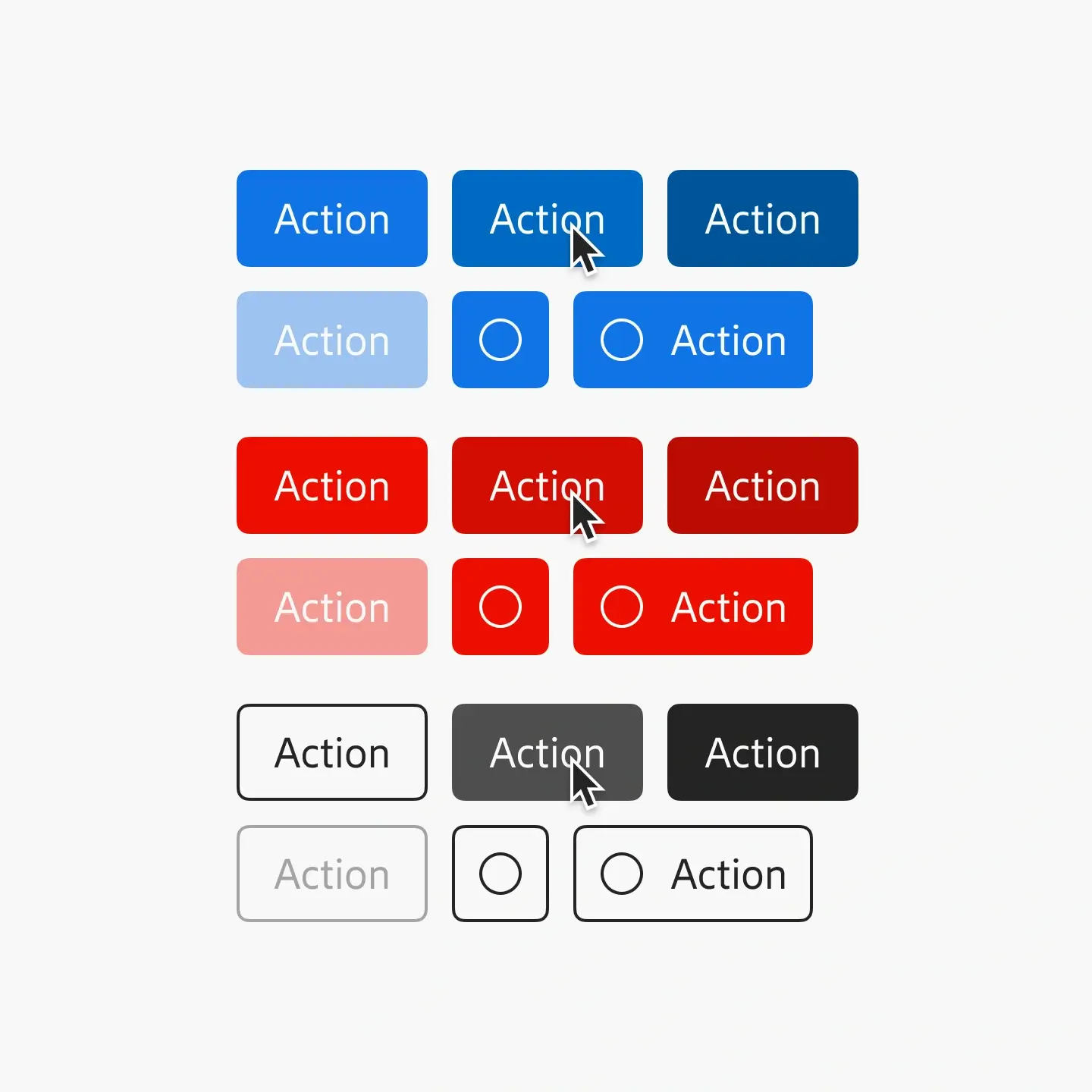
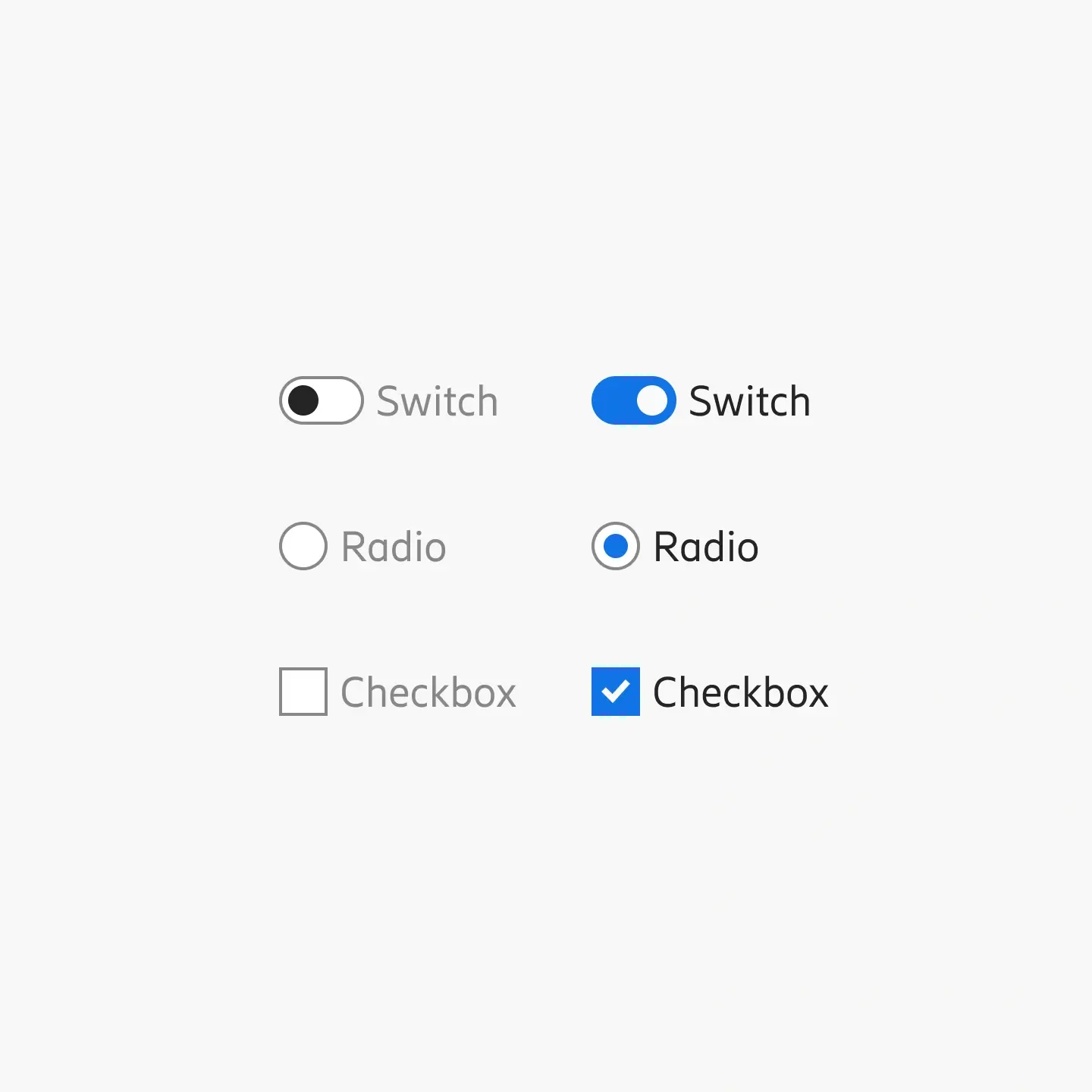
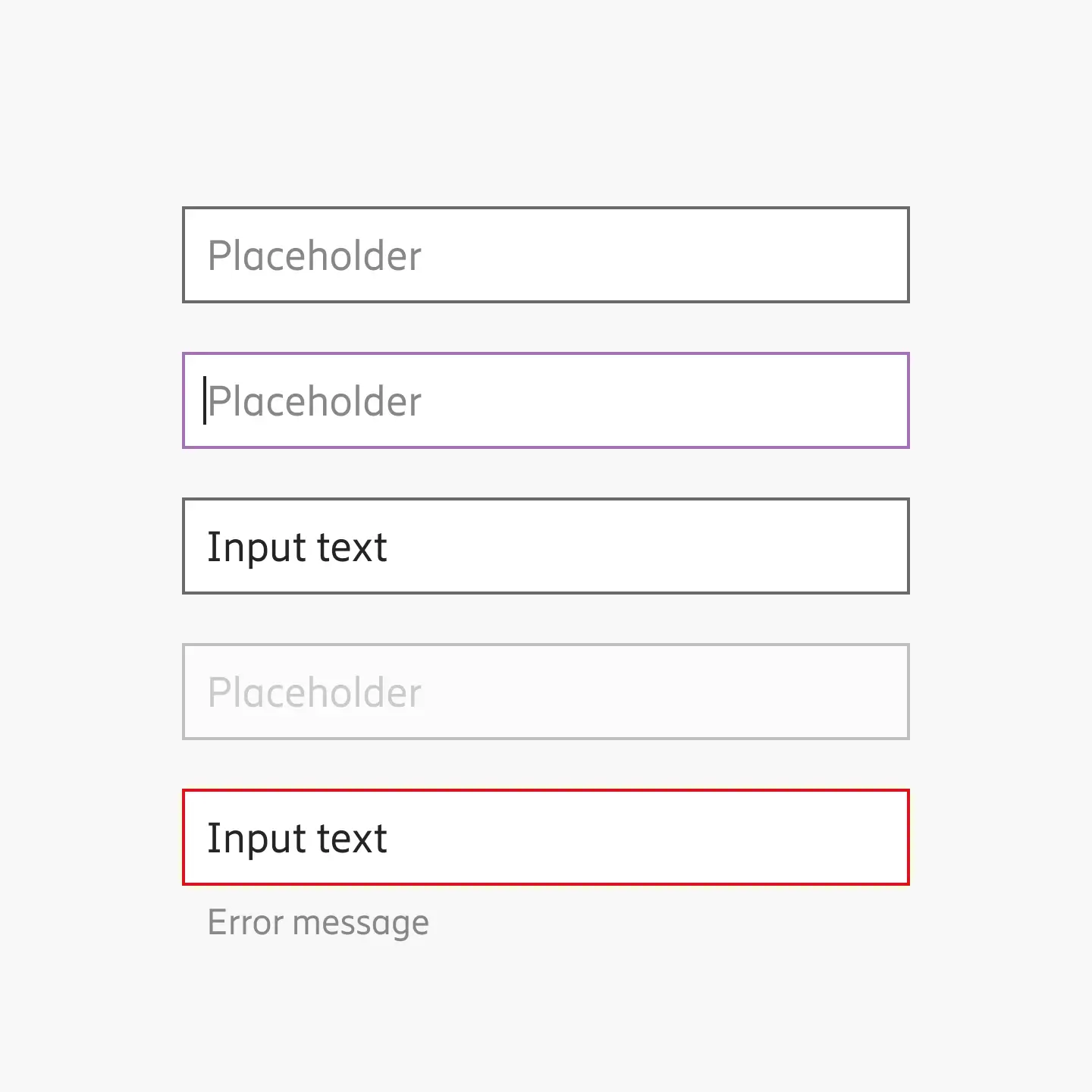
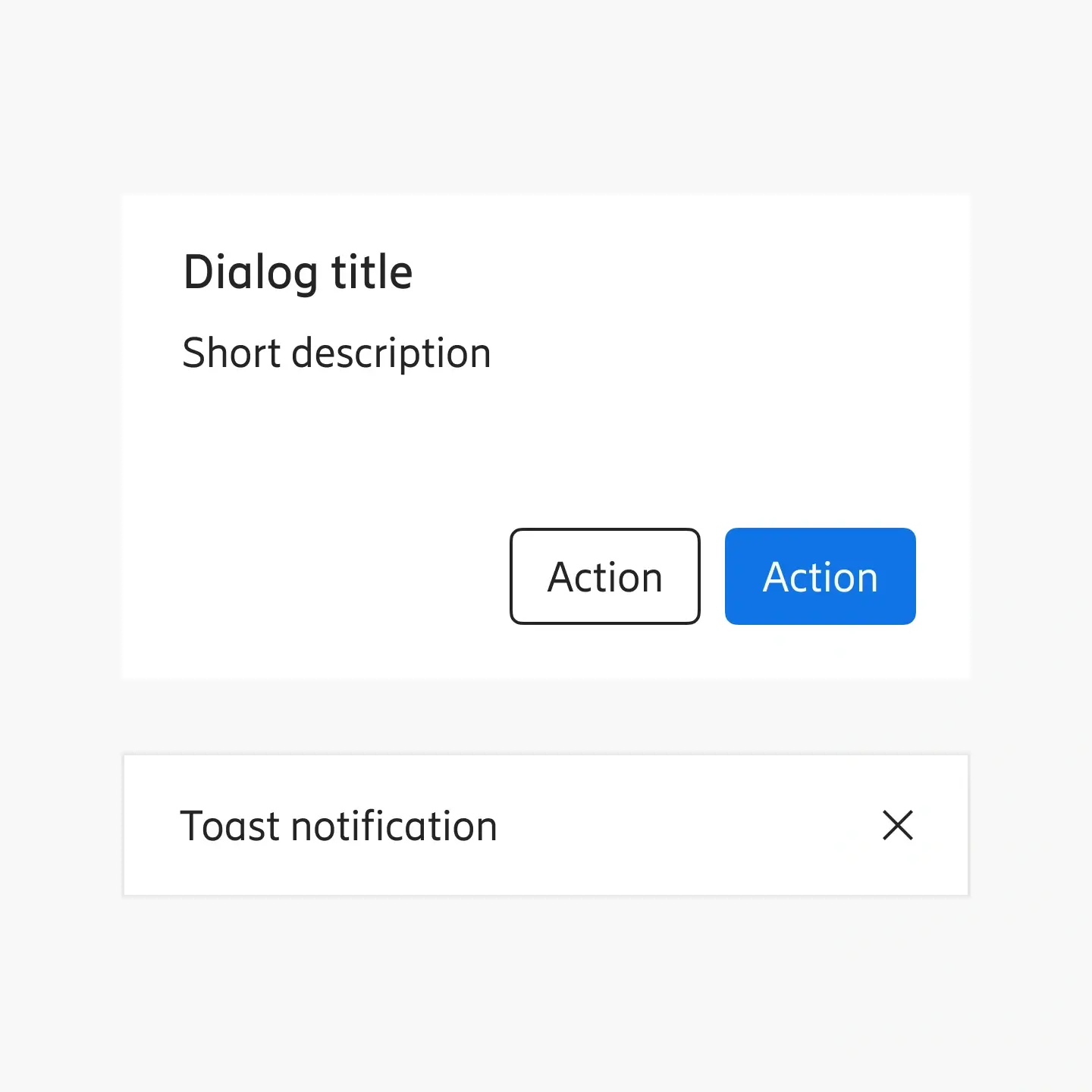
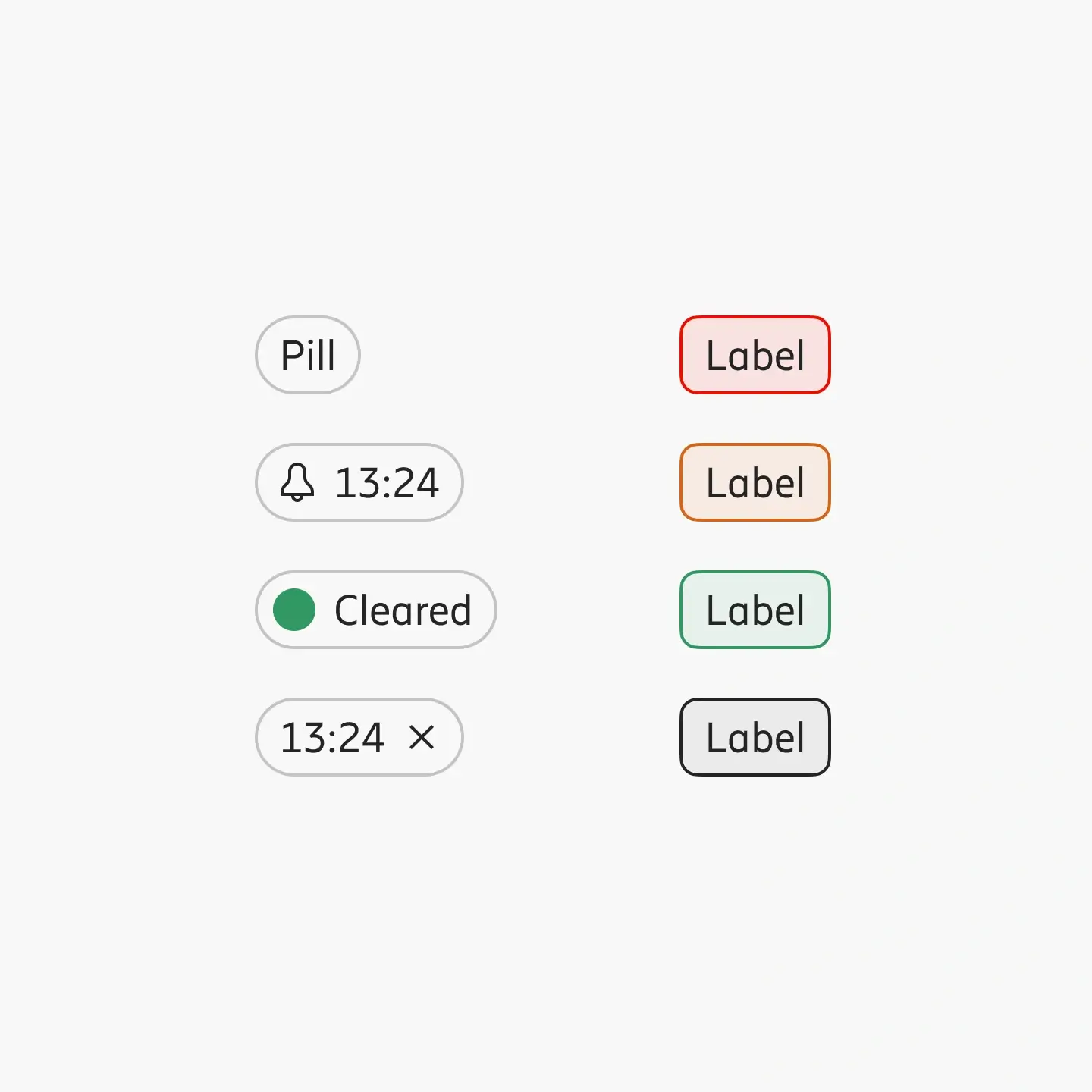
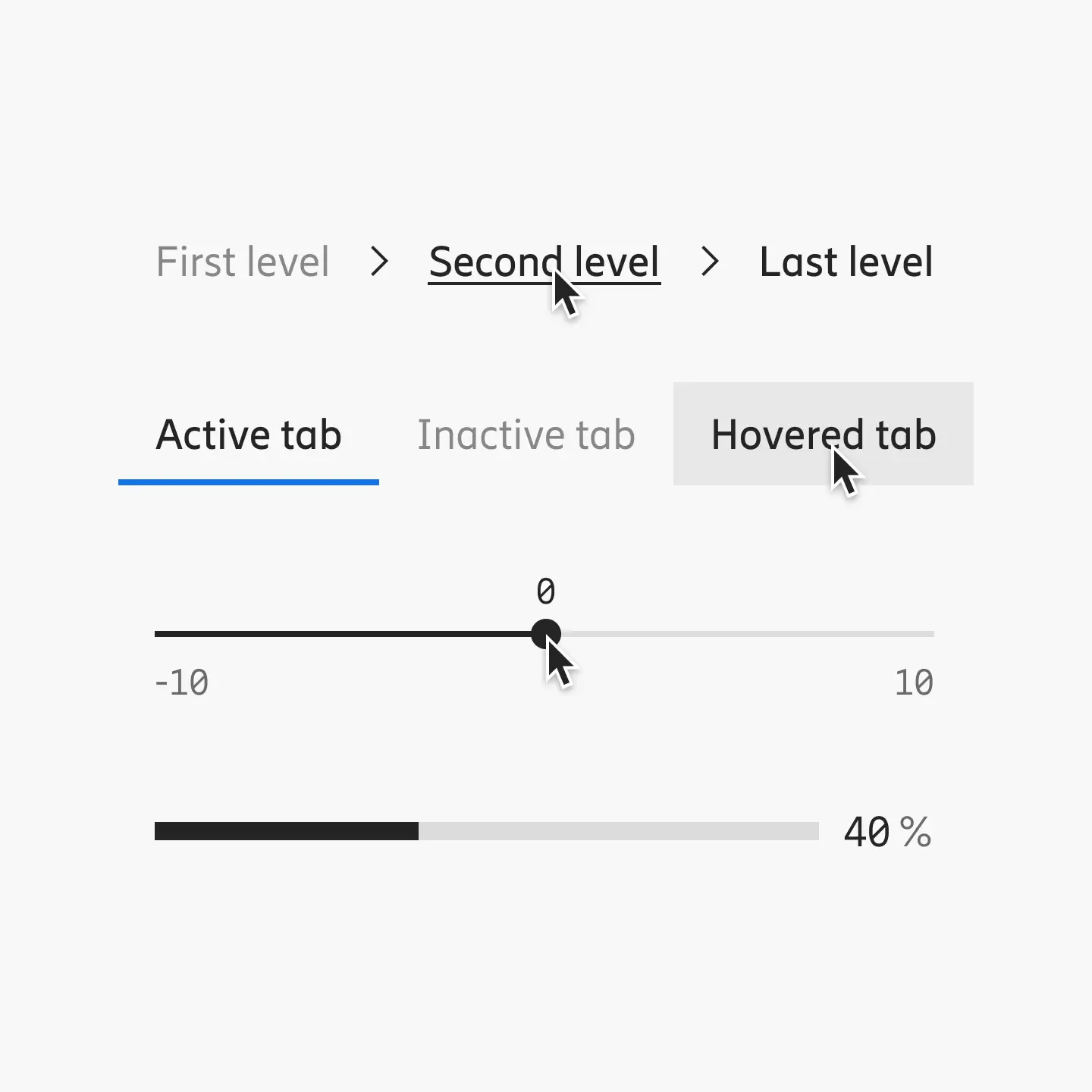
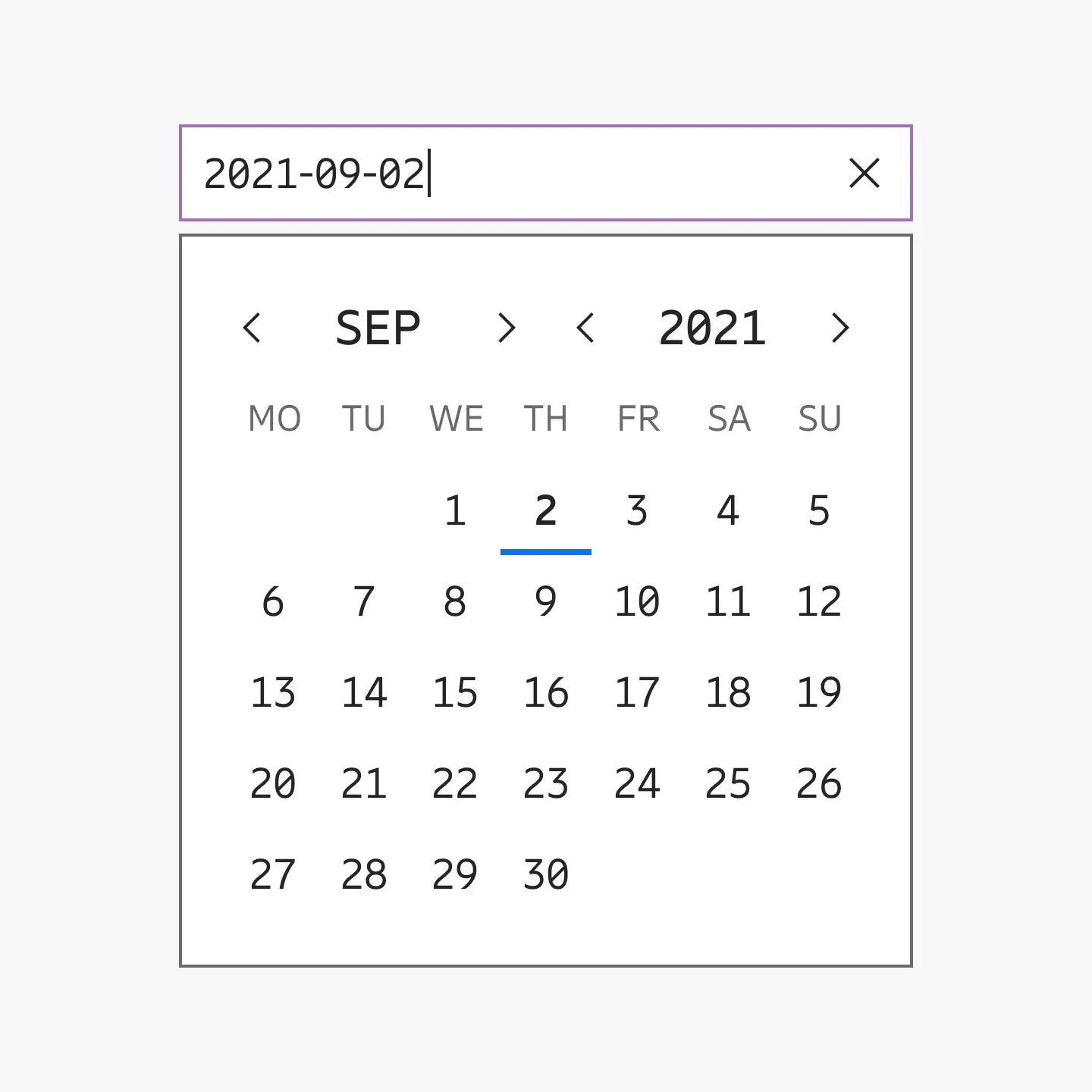
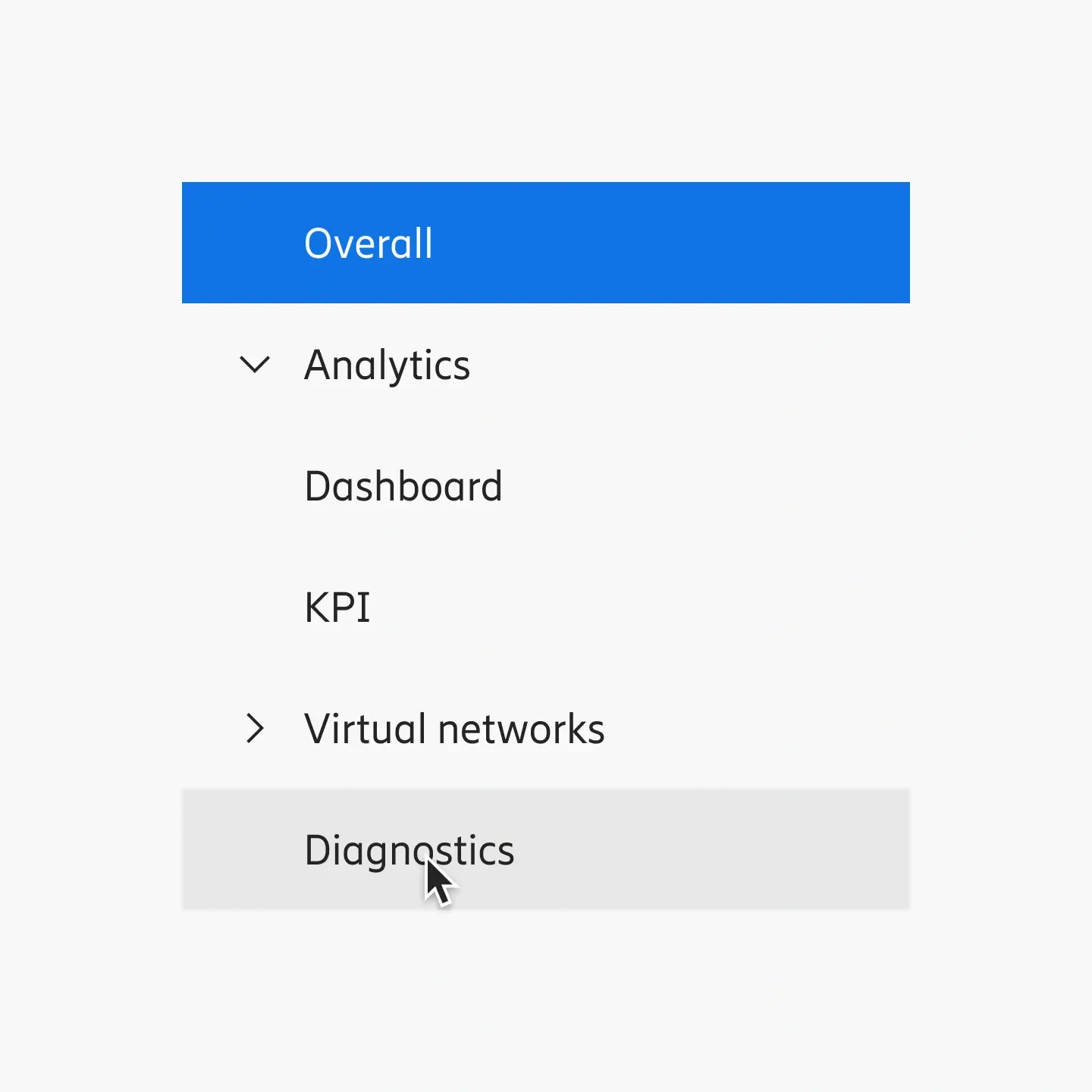
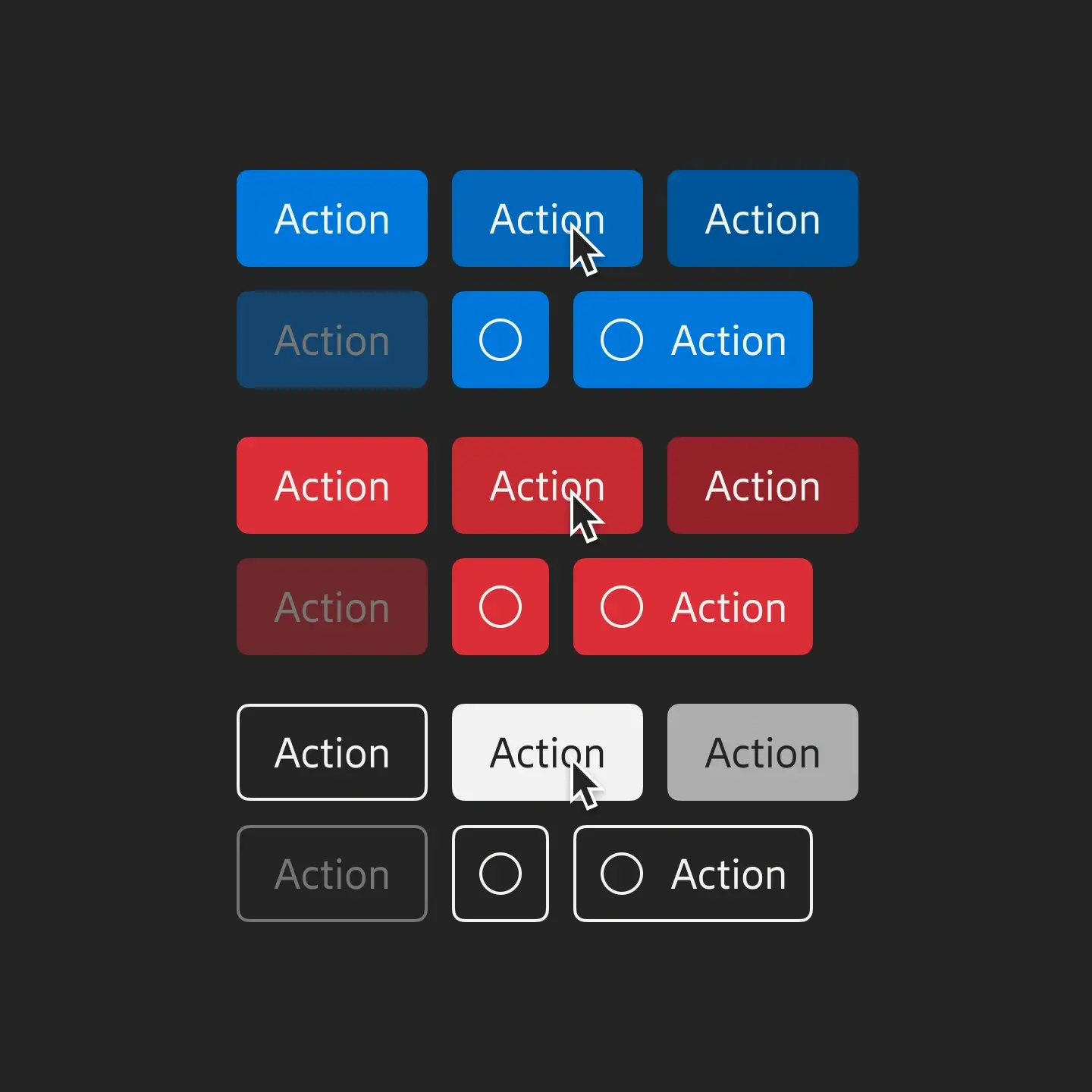
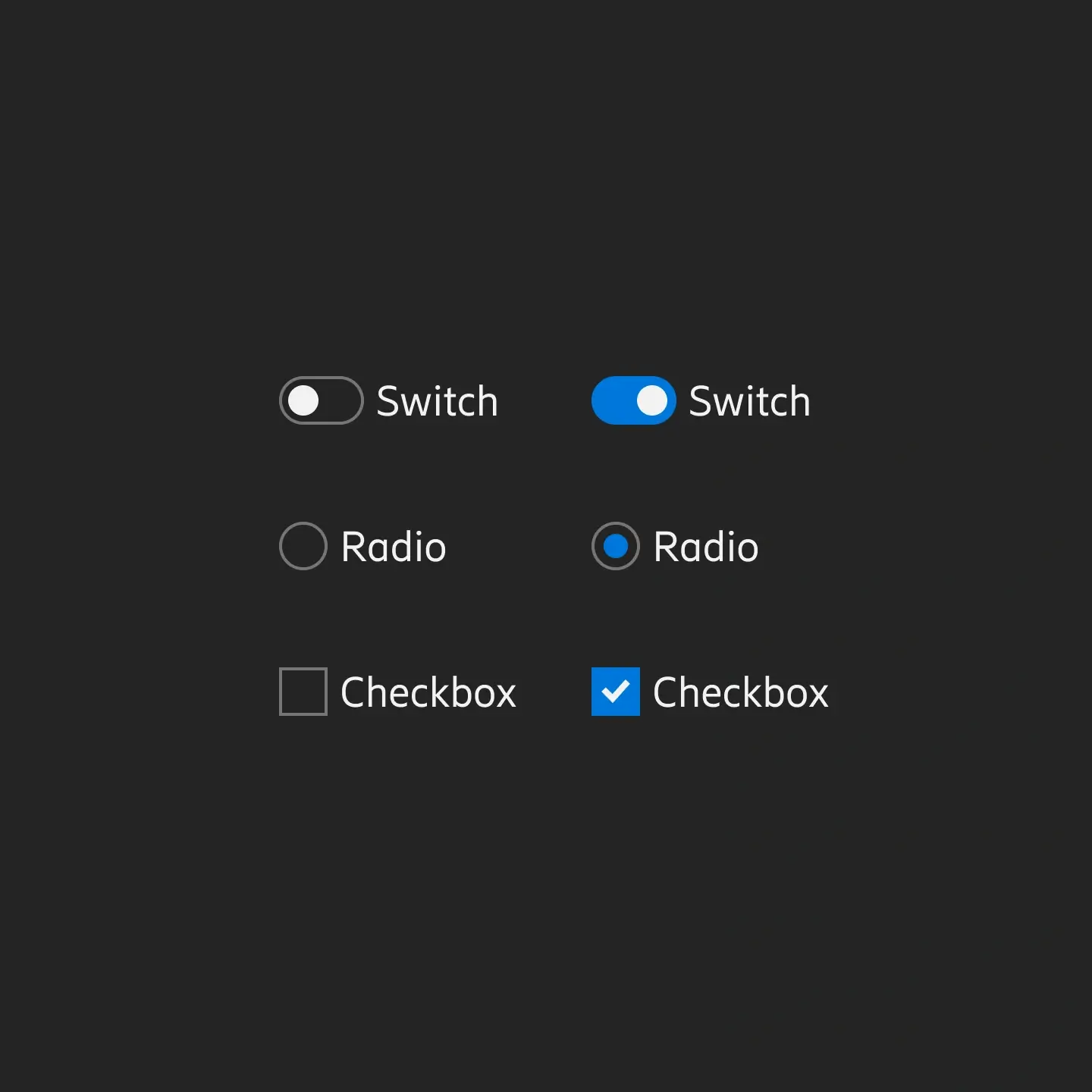
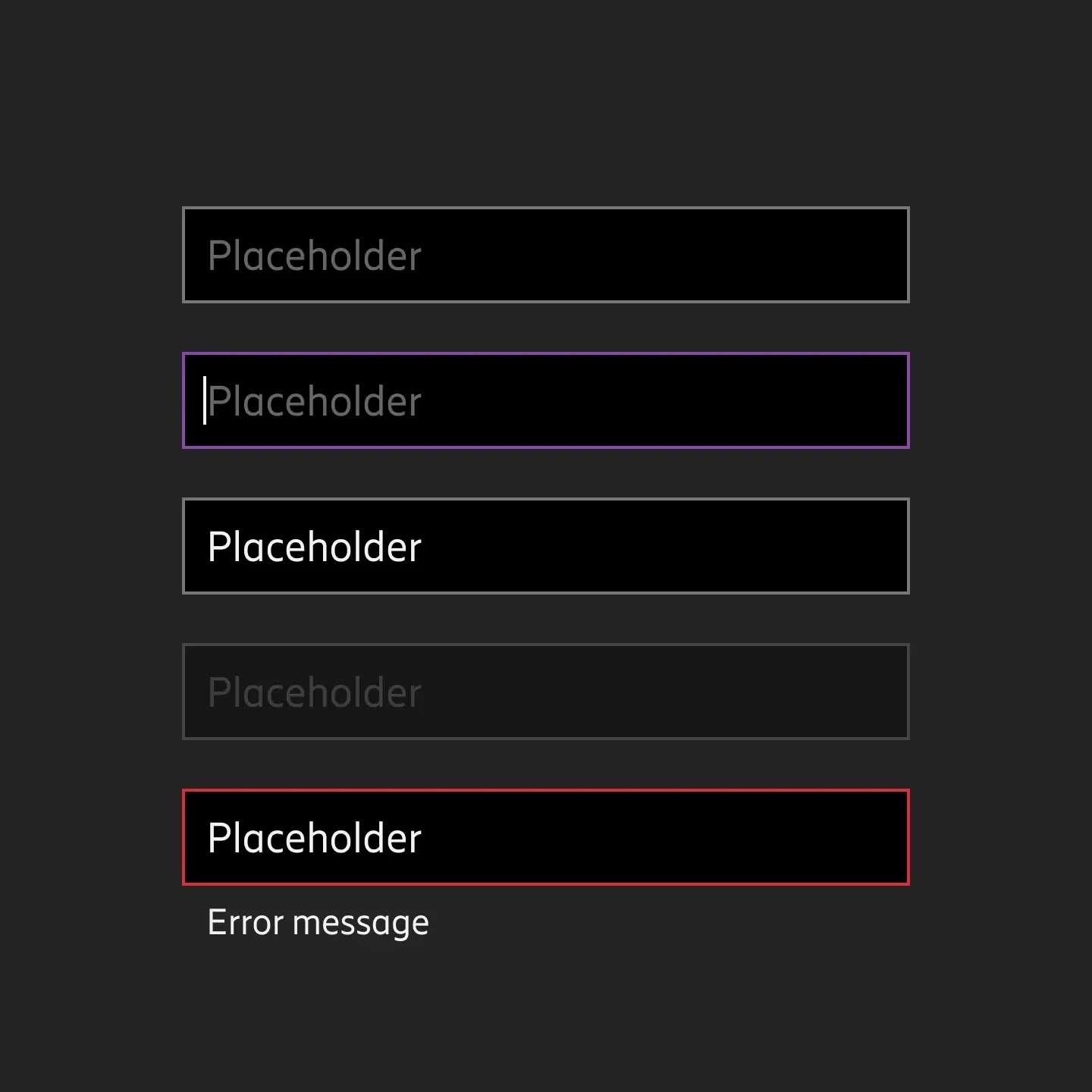
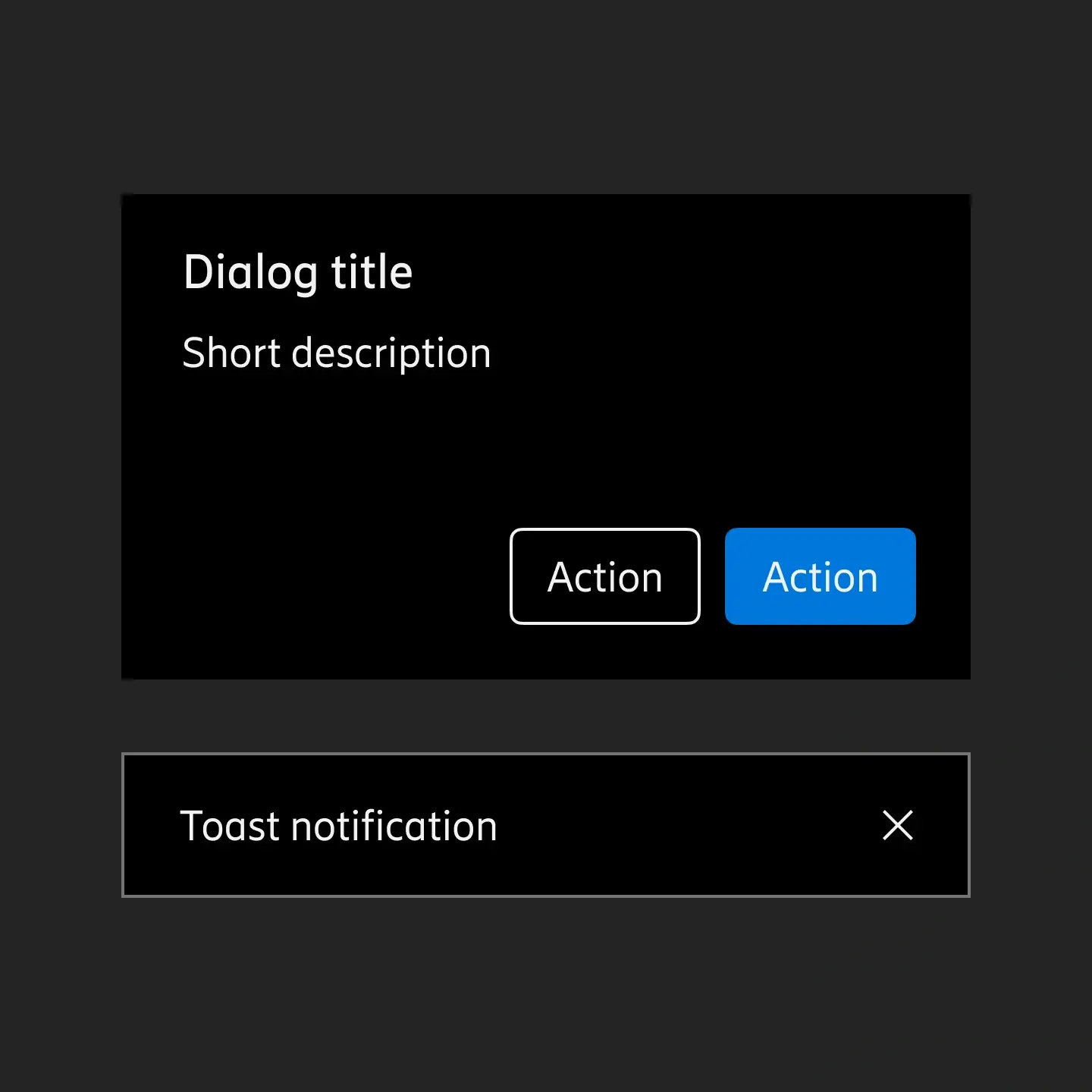
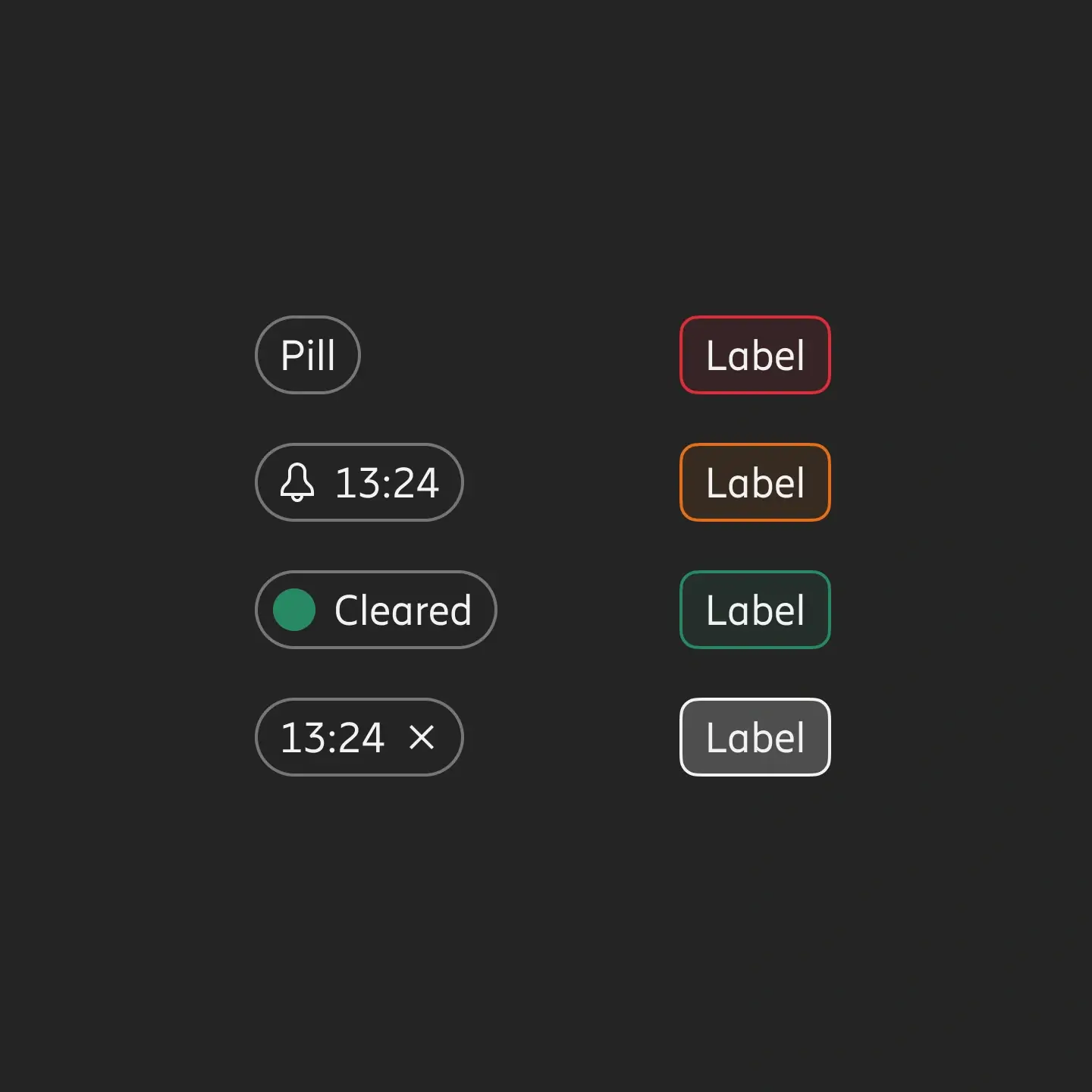
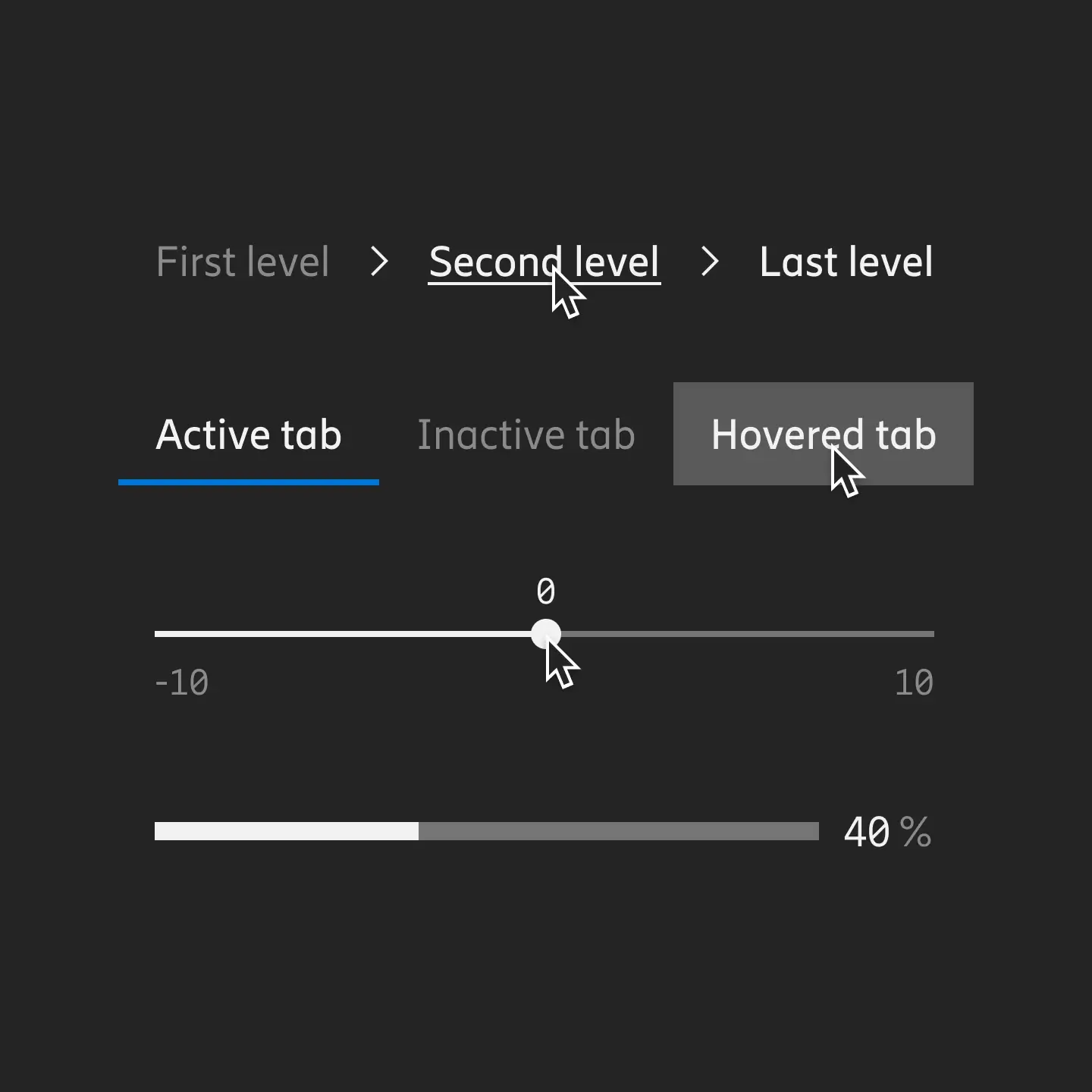
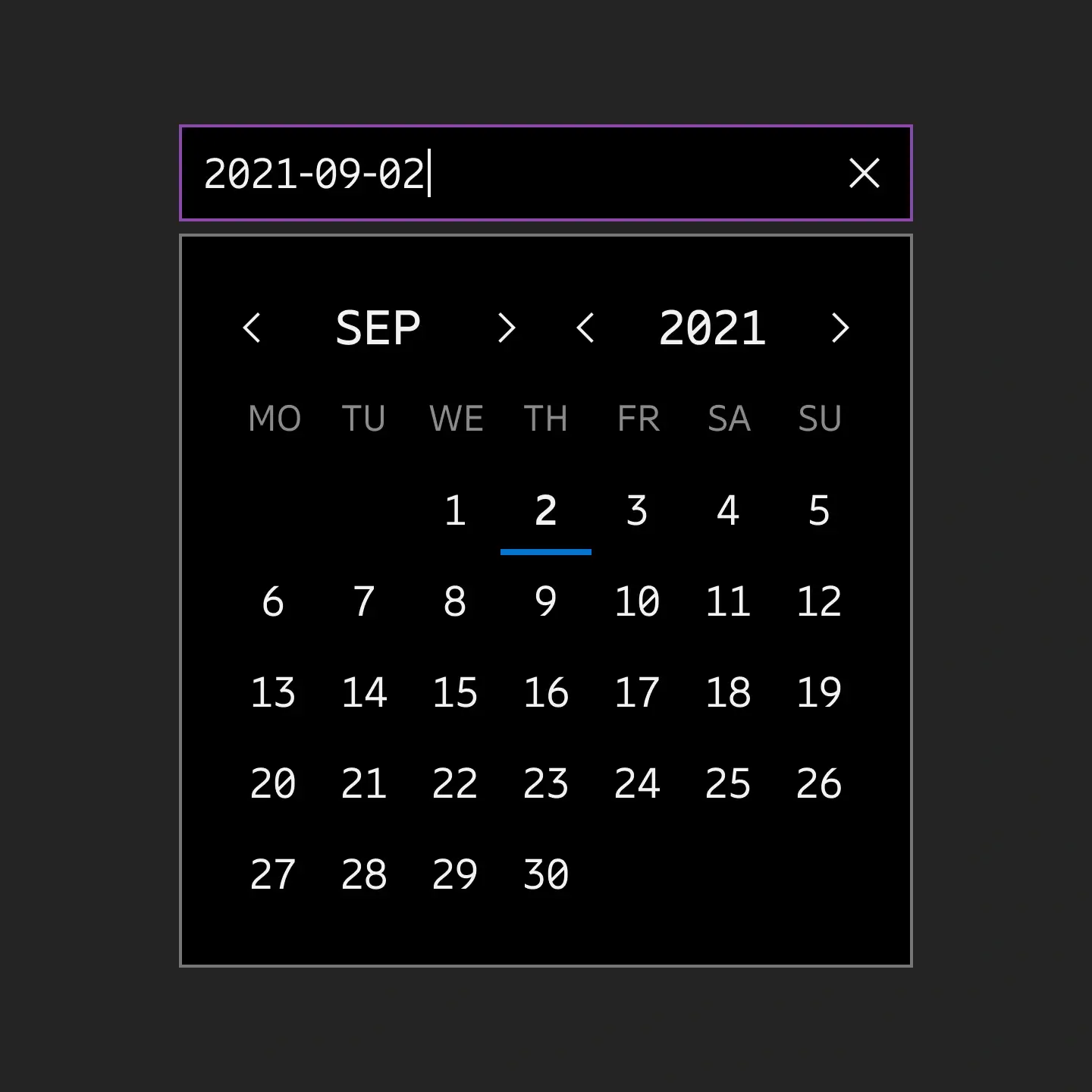
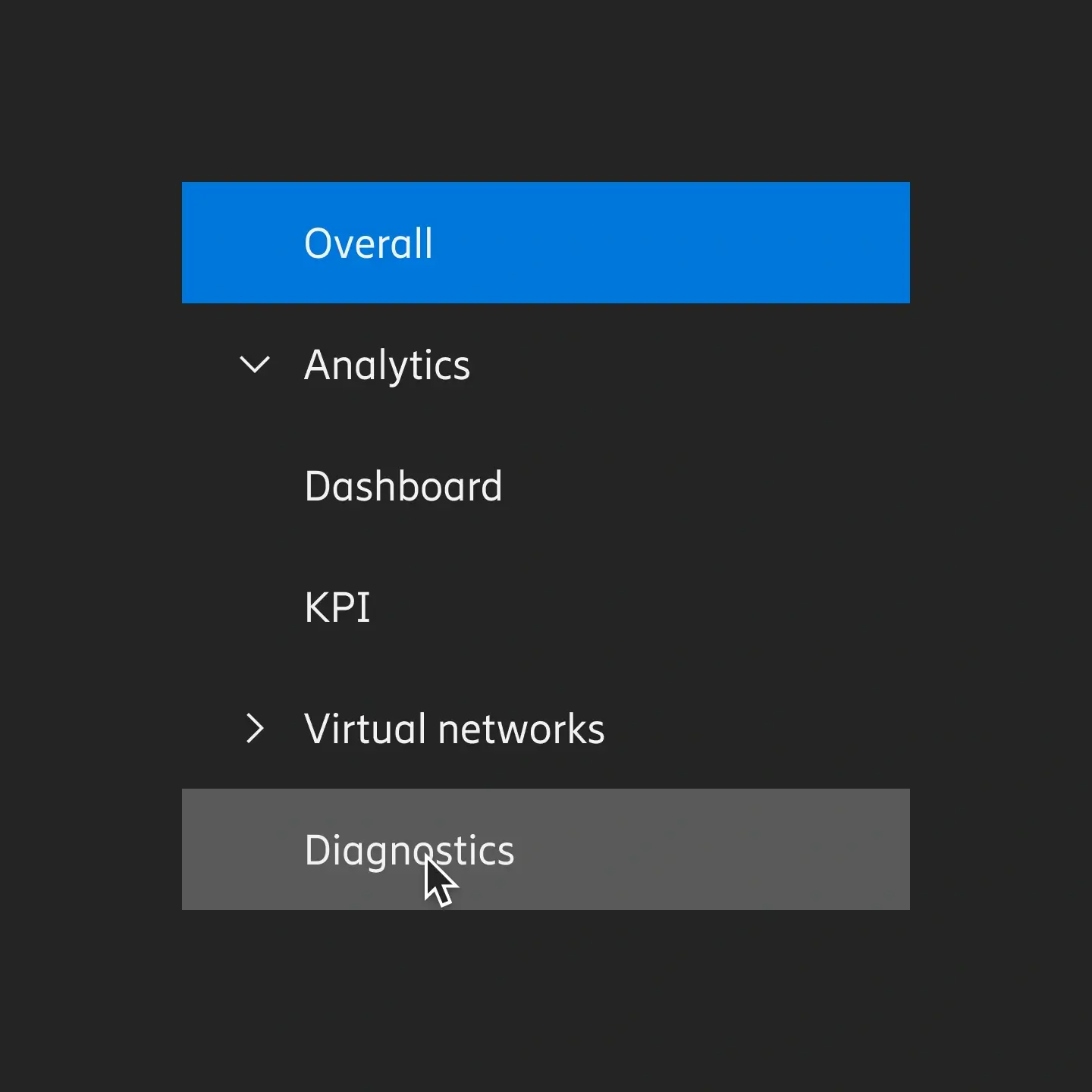
As a core contributor to EDS, I led the design of foundational UI components—including buttons, text fields, dialogs, pills, date pickers, and others—ensuring they scaled across products, met enterprise accessibility standards, and supported customization without fragmentation. Each component was defined with clear states, interaction rules, and usage guidance to reduce ambiguity and improve adoption by downstream teams.
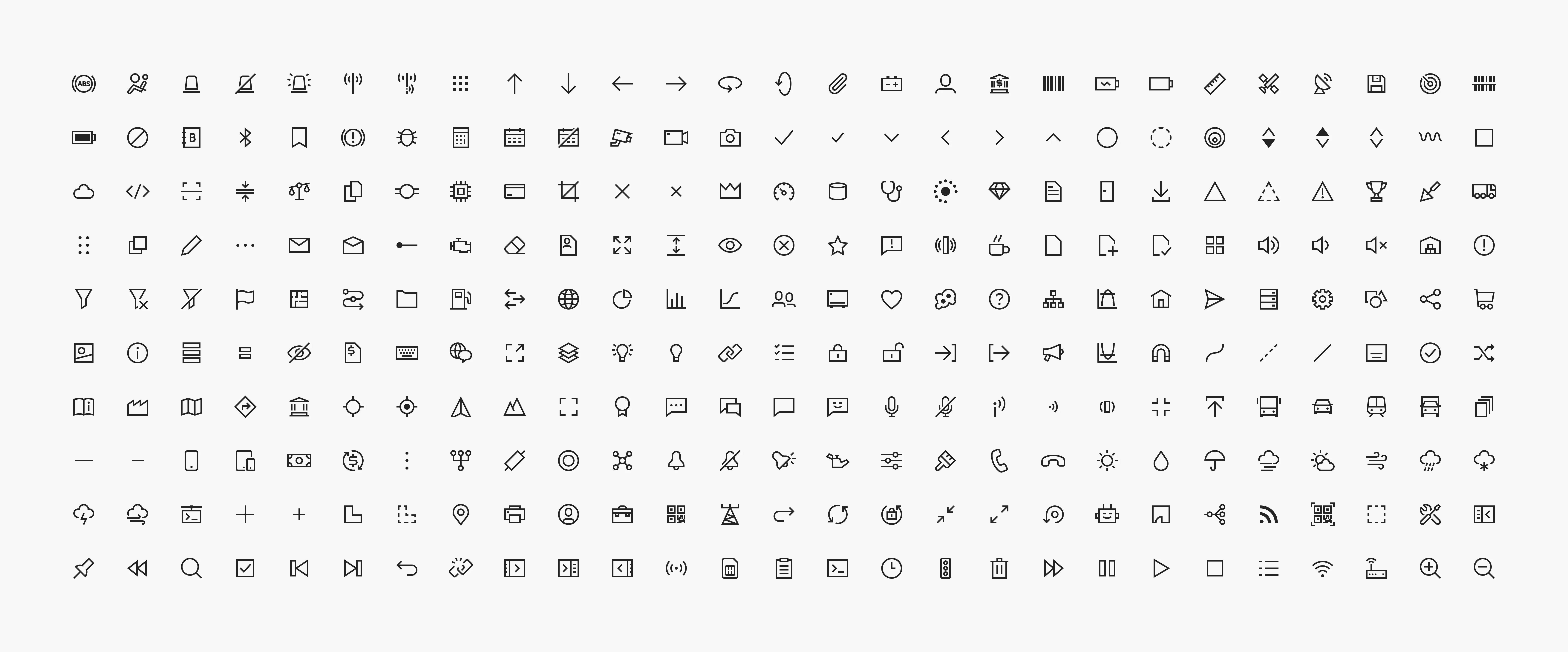
I redesigned the entire Ericsson iconography set to improve optical balance, legibility, and stylistic cohesion, with particular focus on clarity in dense, data-heavy interfaces and at small sizes. I also introduced a wide range of new icons to support evolving business needs.
To enable long-term scalability, I rebuilt the design library and introduced design tokens that synchronized directly with the development codebase, bridging the gap between design and code. This significantly improved file performance, maintainability, and overall workflow efficiency.
84%
ORGANIZATION-WIDE ADOPTION
25–50%
DESIGN-TO-DEV TIME SAVINGS
Before EDS, ad hoc UI solutions created not only visual inconsistency, but also operational risks. For mission-critical telecom products, a fragmented interface could lead to cognitive overload and errors. EDS was established to ensure reliability and safety at scale.
As a core contributor to EDS, I led the design of foundational UI components—including buttons, text fields, dialogs, pills, date pickers, and others—ensuring they scaled across products, met enterprise accessibility standards, and supported customization without fragmentation. Each component was defined with clear states, interaction rules, and usage guidance to reduce ambiguity and improve adoption by downstream teams.
I redesigned the entire Ericsson iconography set to improve optical balance, legibility, and stylistic cohesion, with particular focus on clarity in dense, data-heavy interfaces and at small sizes. I also introduced a wide range of new icons to support evolving business needs.
To enable long-term scalability, I rebuilt the design library and introduced design tokens that synchronized directly with the development codebase, bridging the gap between design and code. This significantly improved file performance, maintainability, and overall workflow efficiency.
84%
ORGANIZATION-WIDE ADOPTION
25–50%
DESIGN-TO-DEV TIME SAVINGS
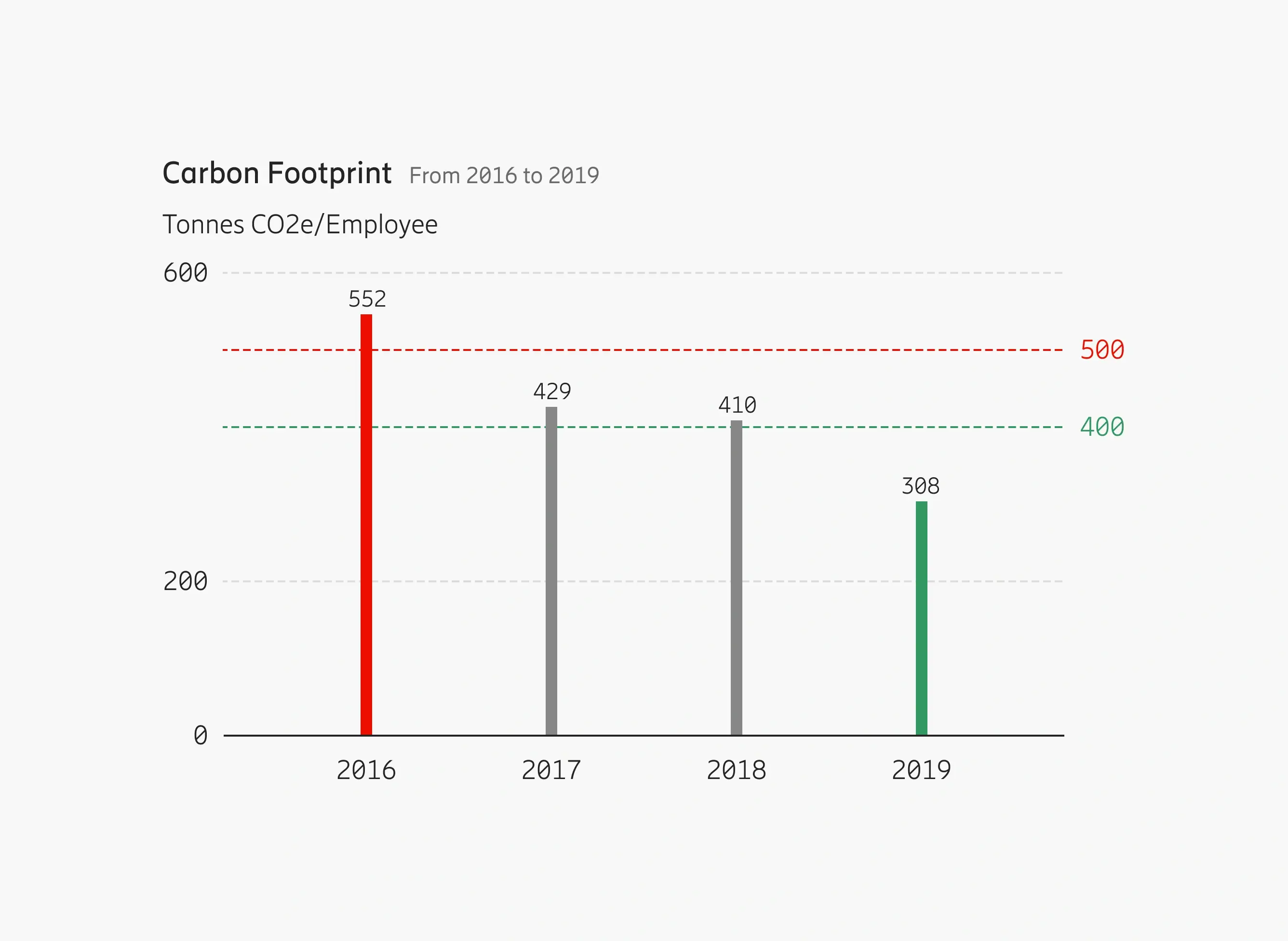
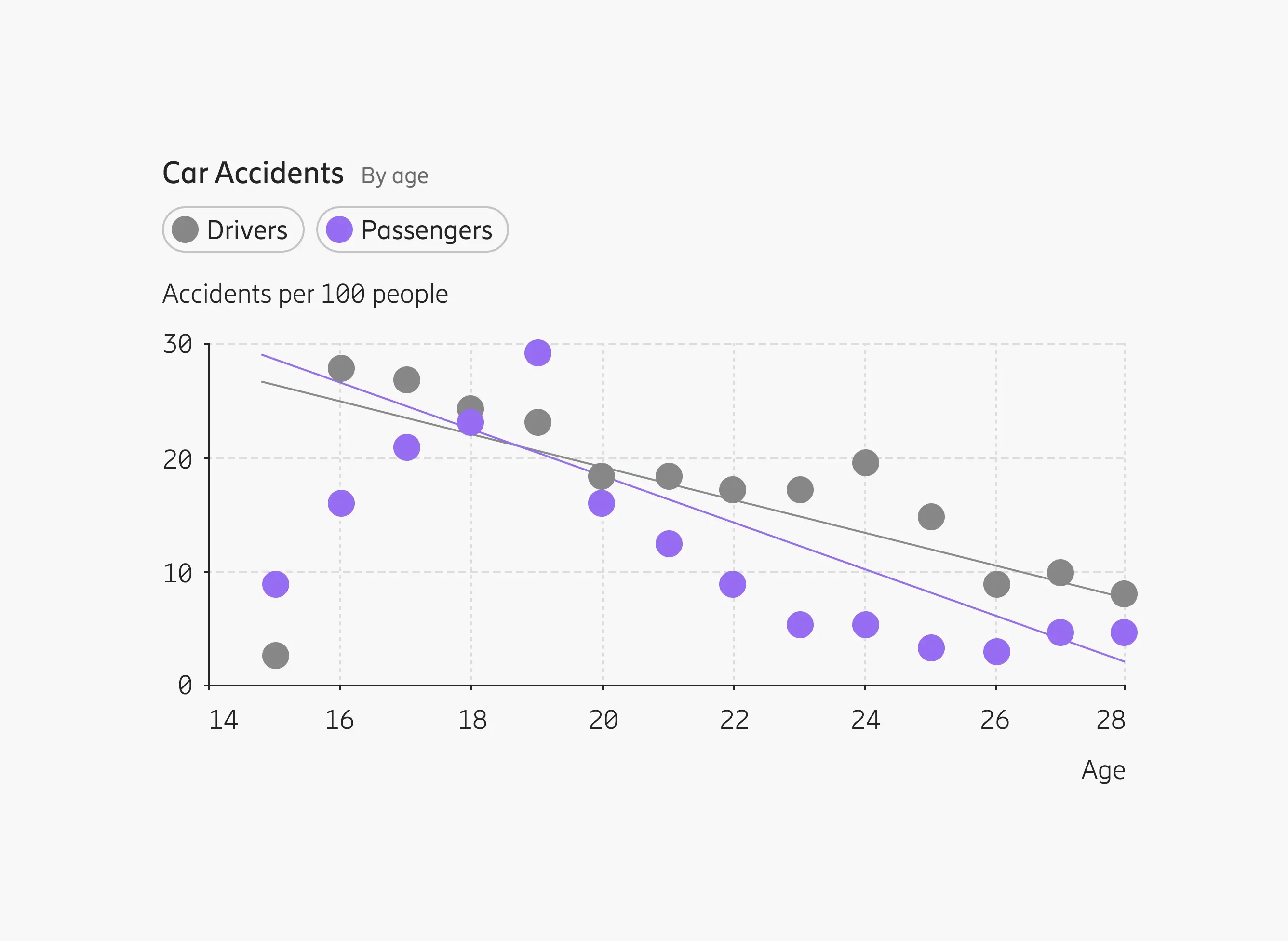
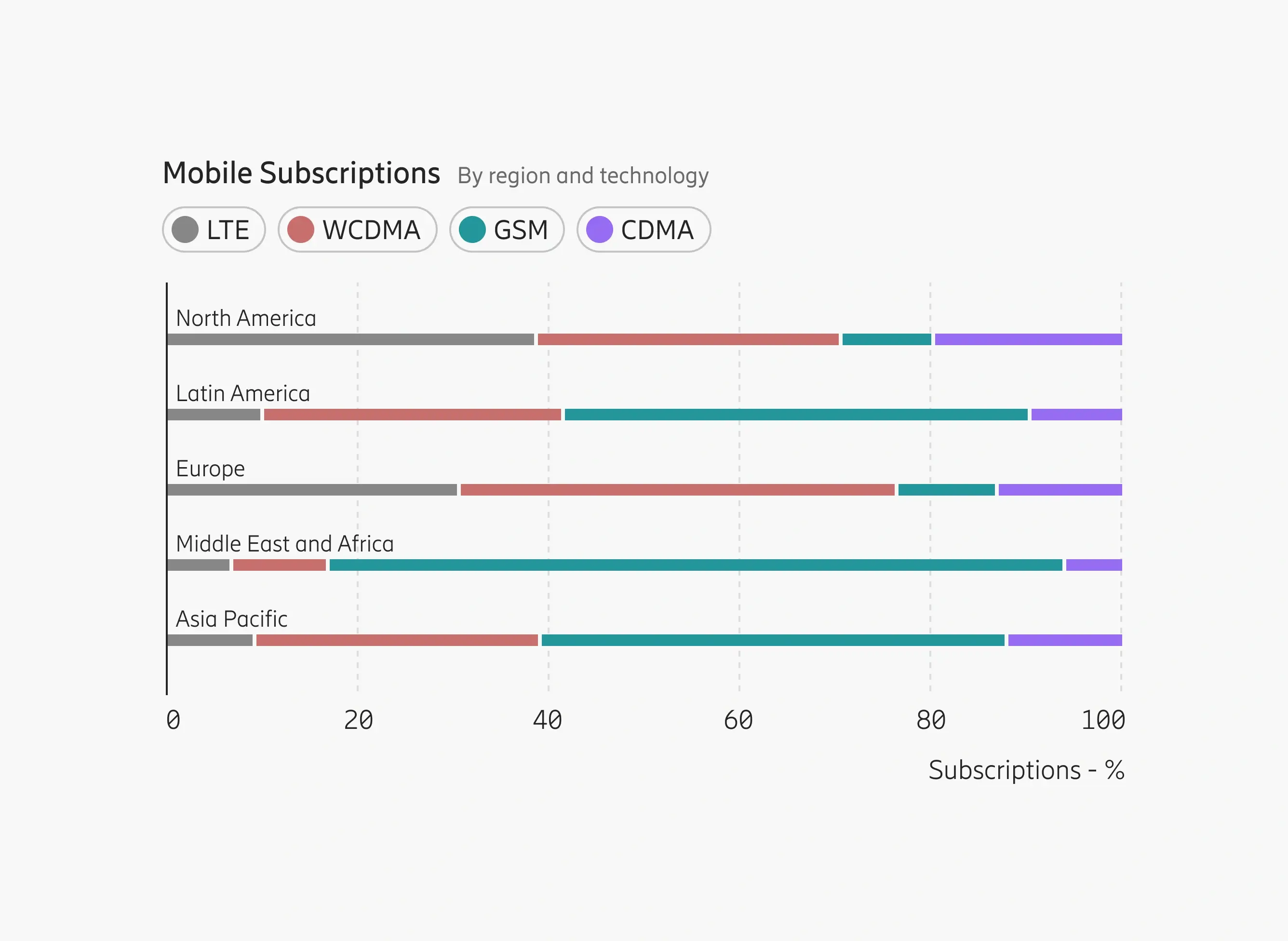
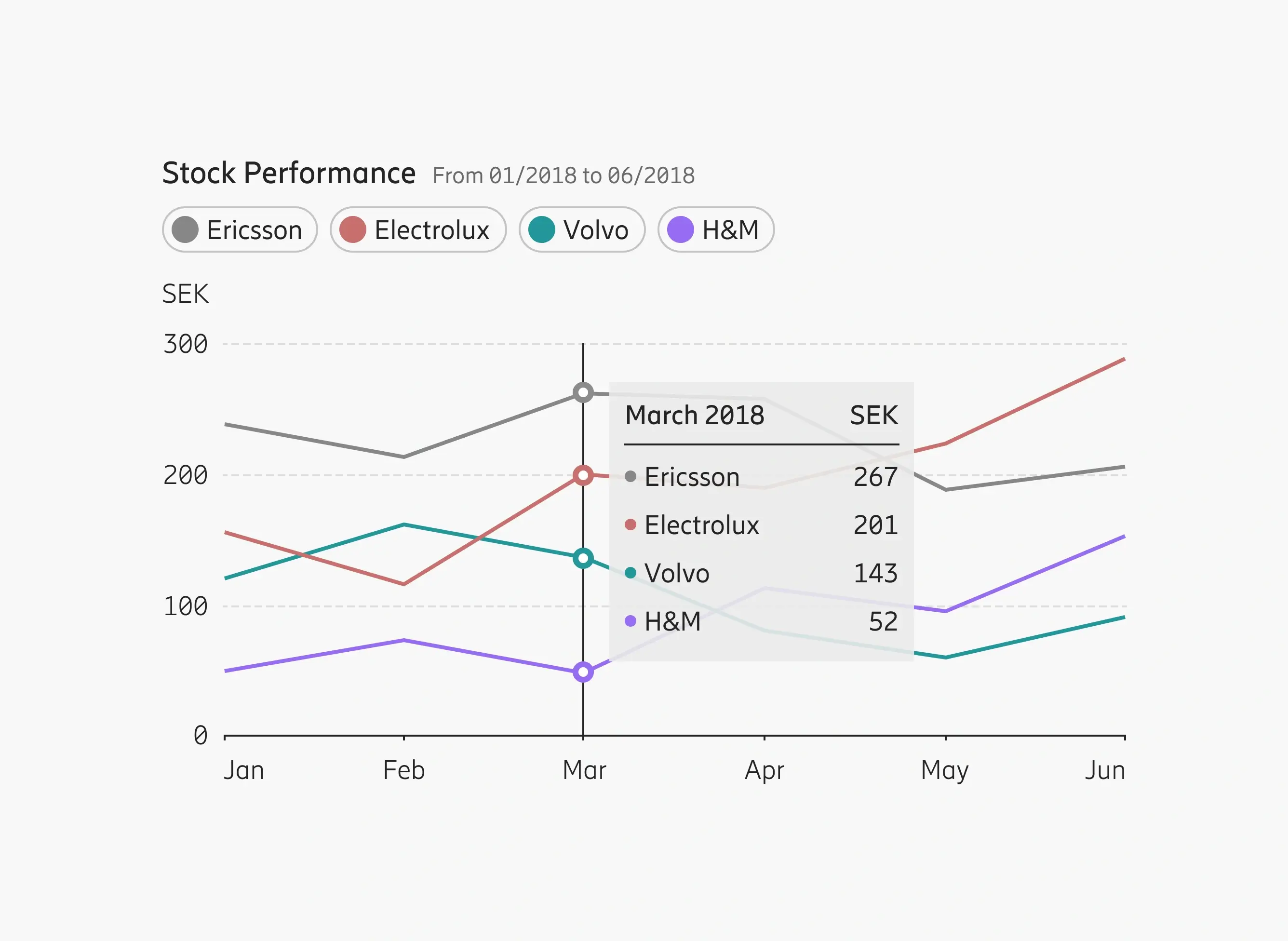
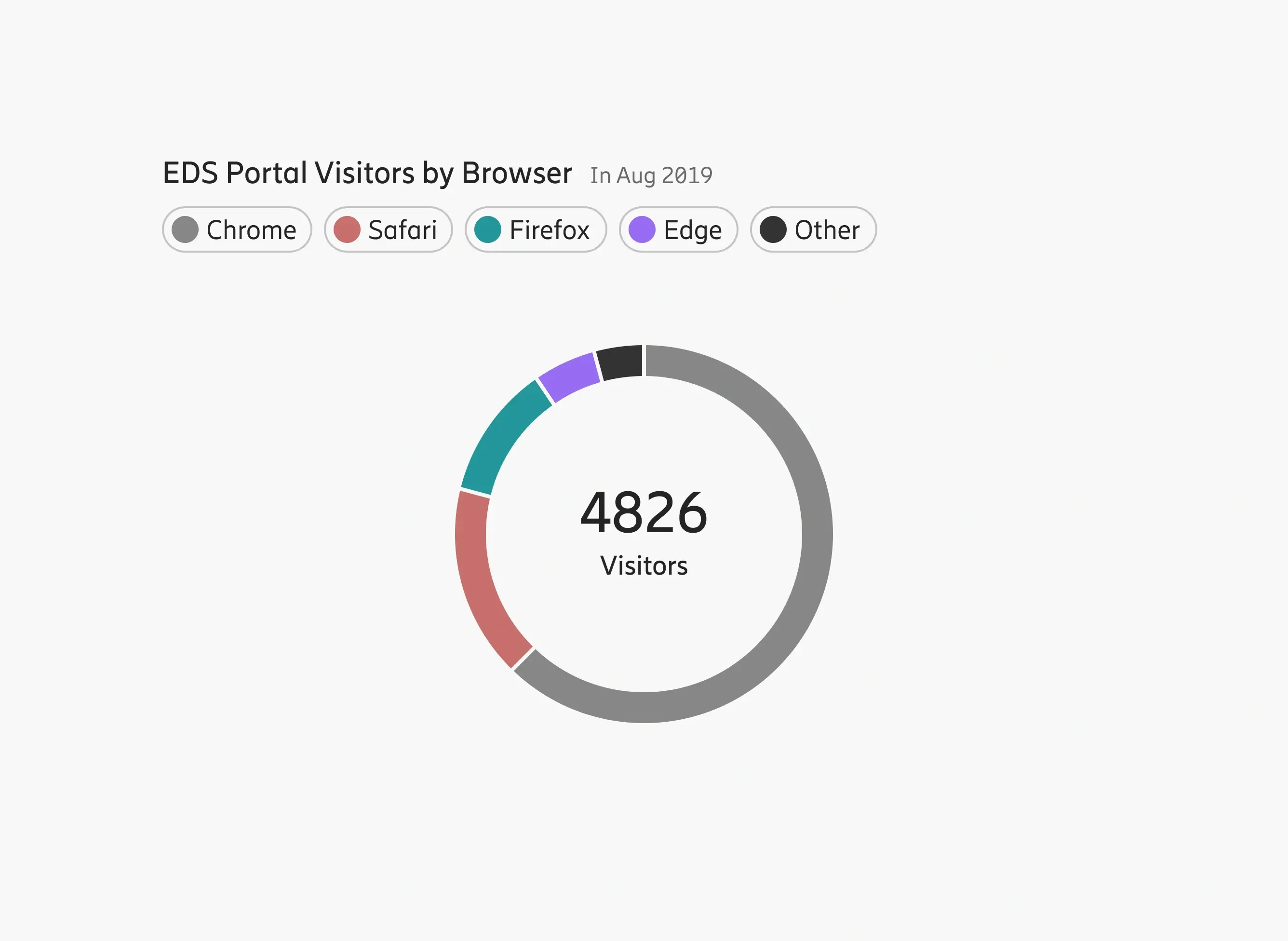
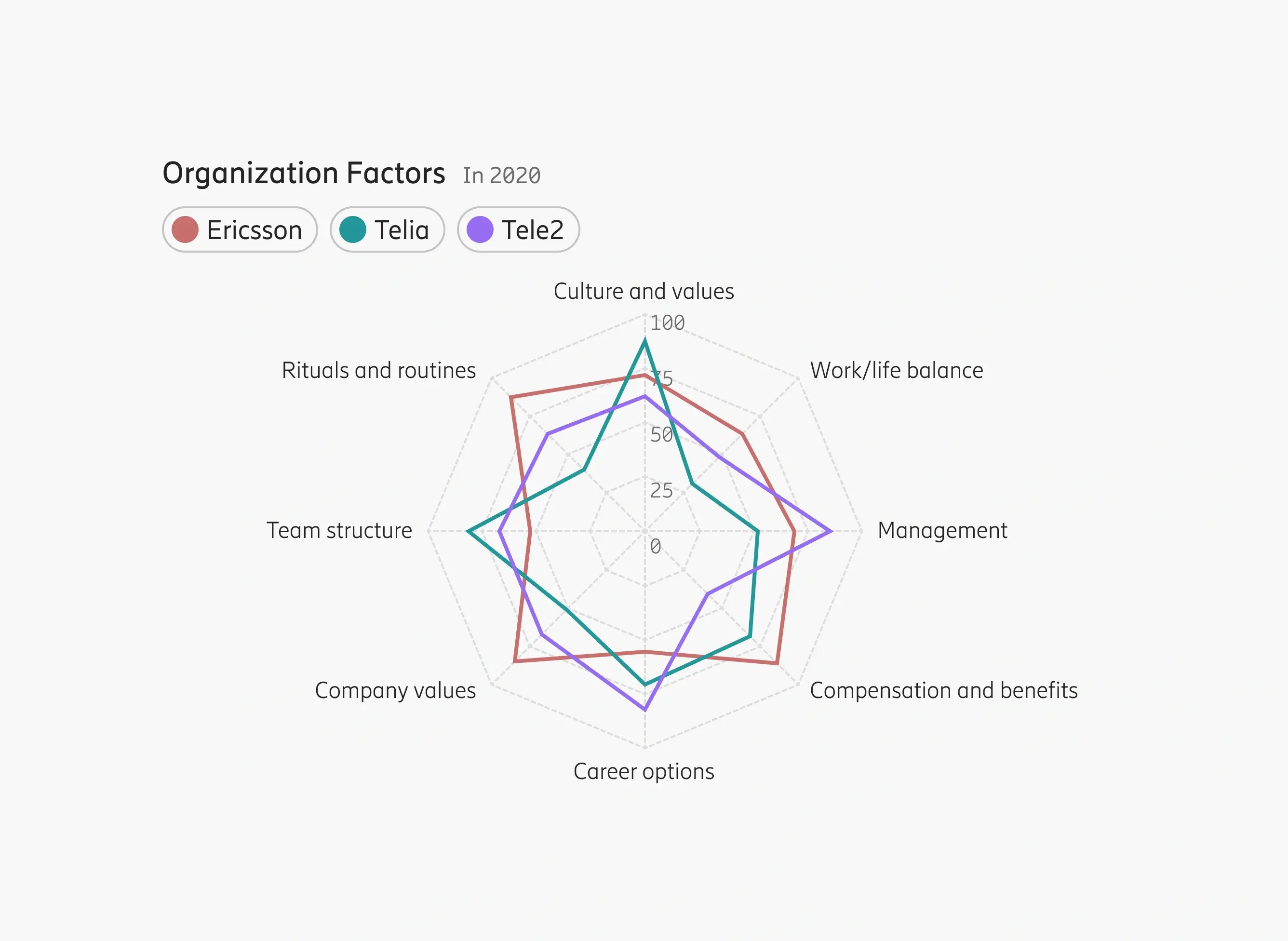
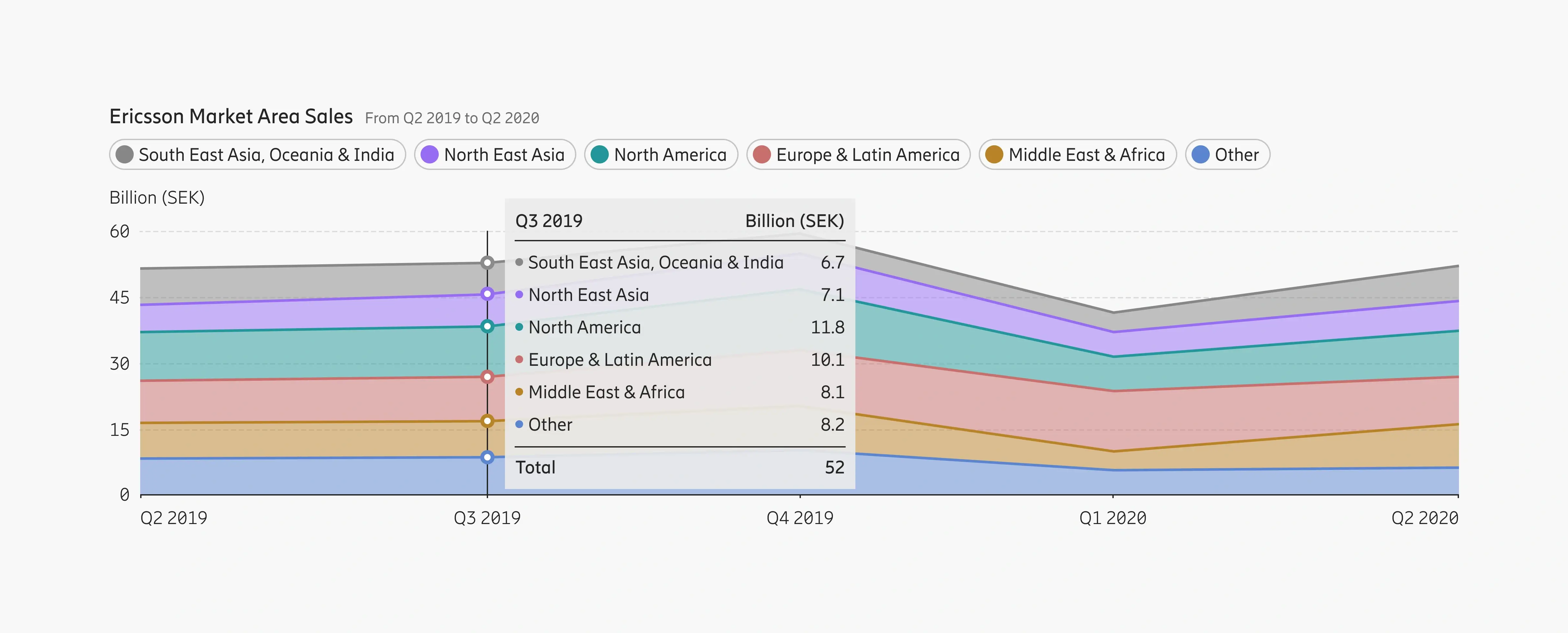
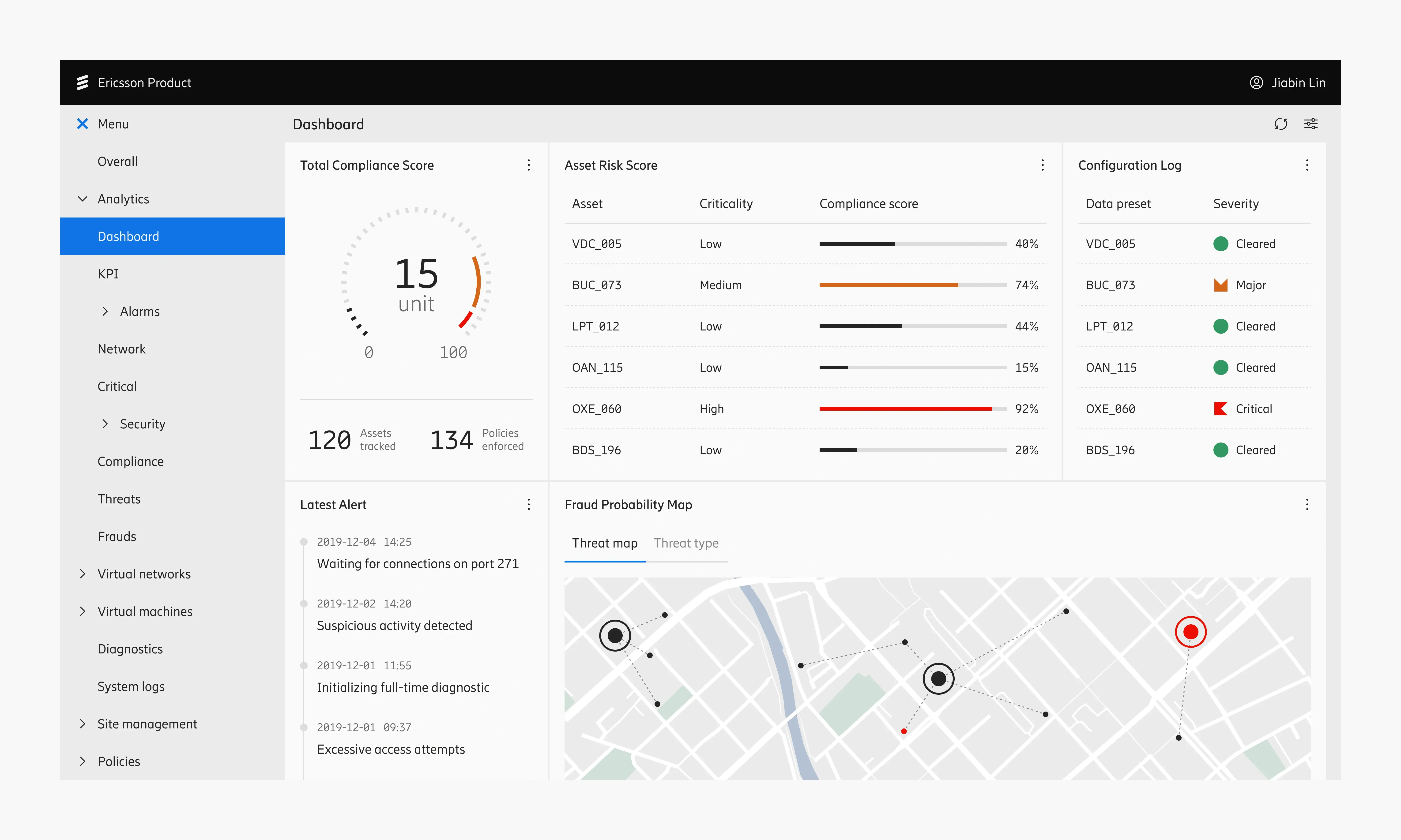
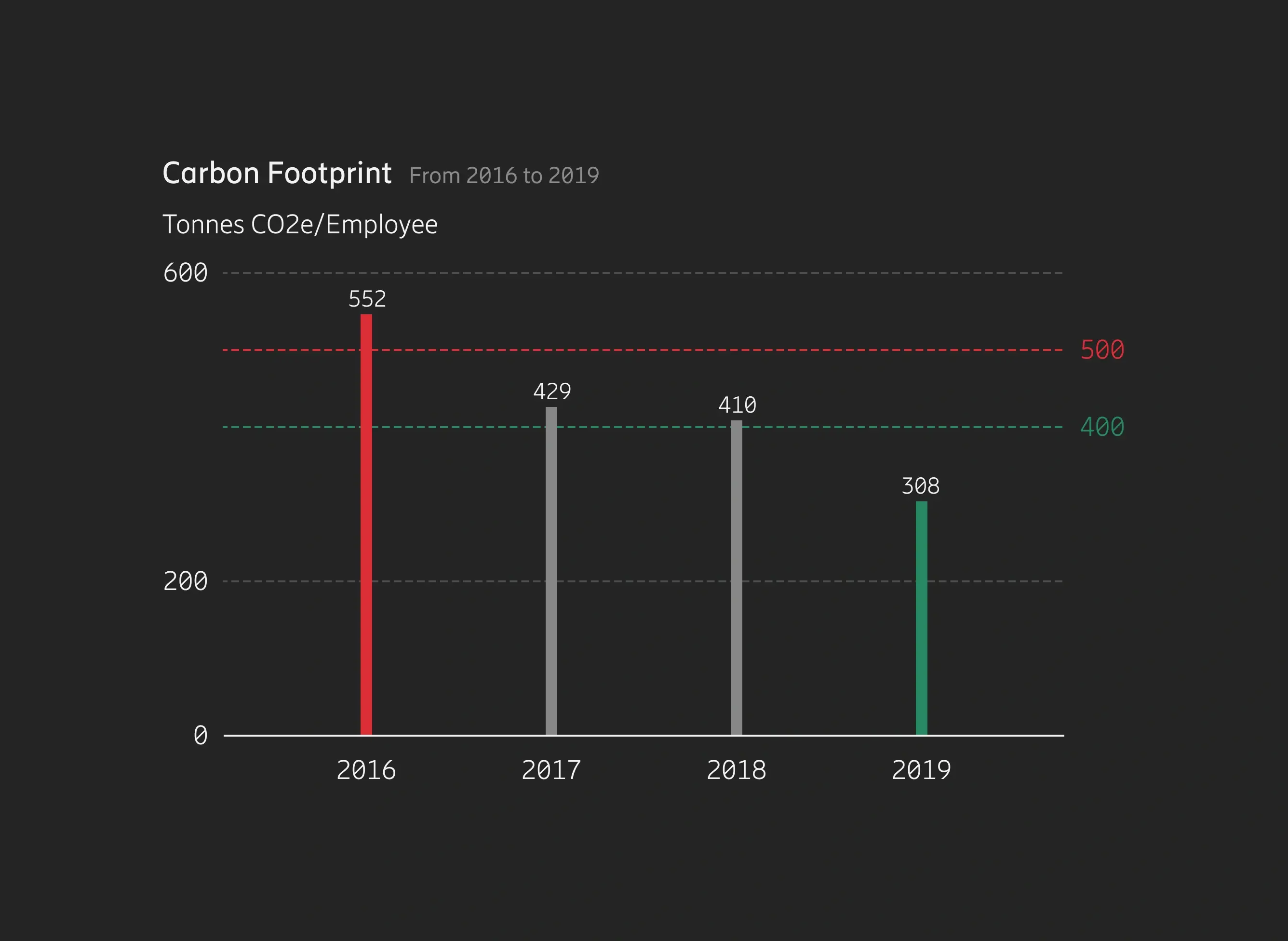
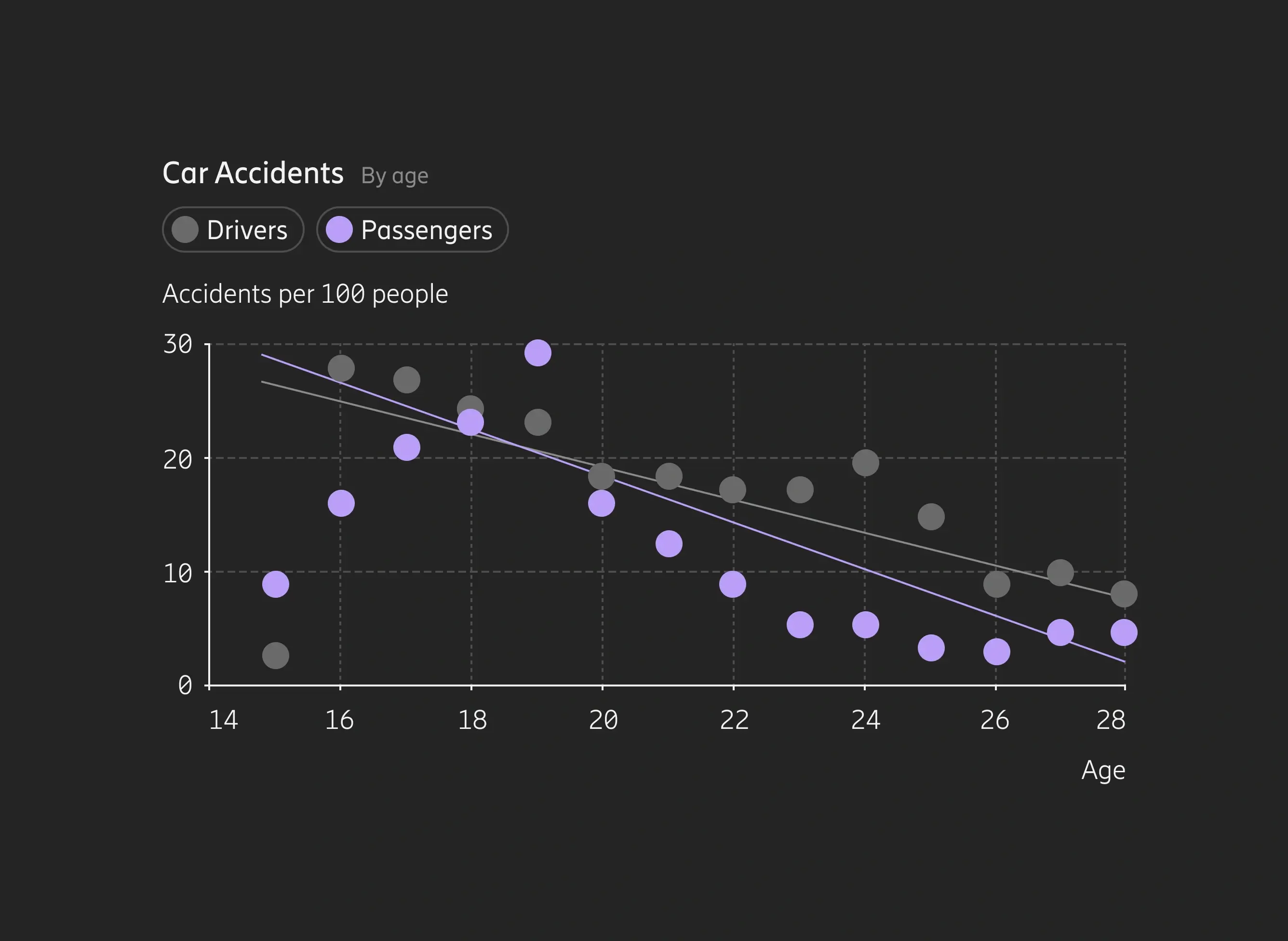
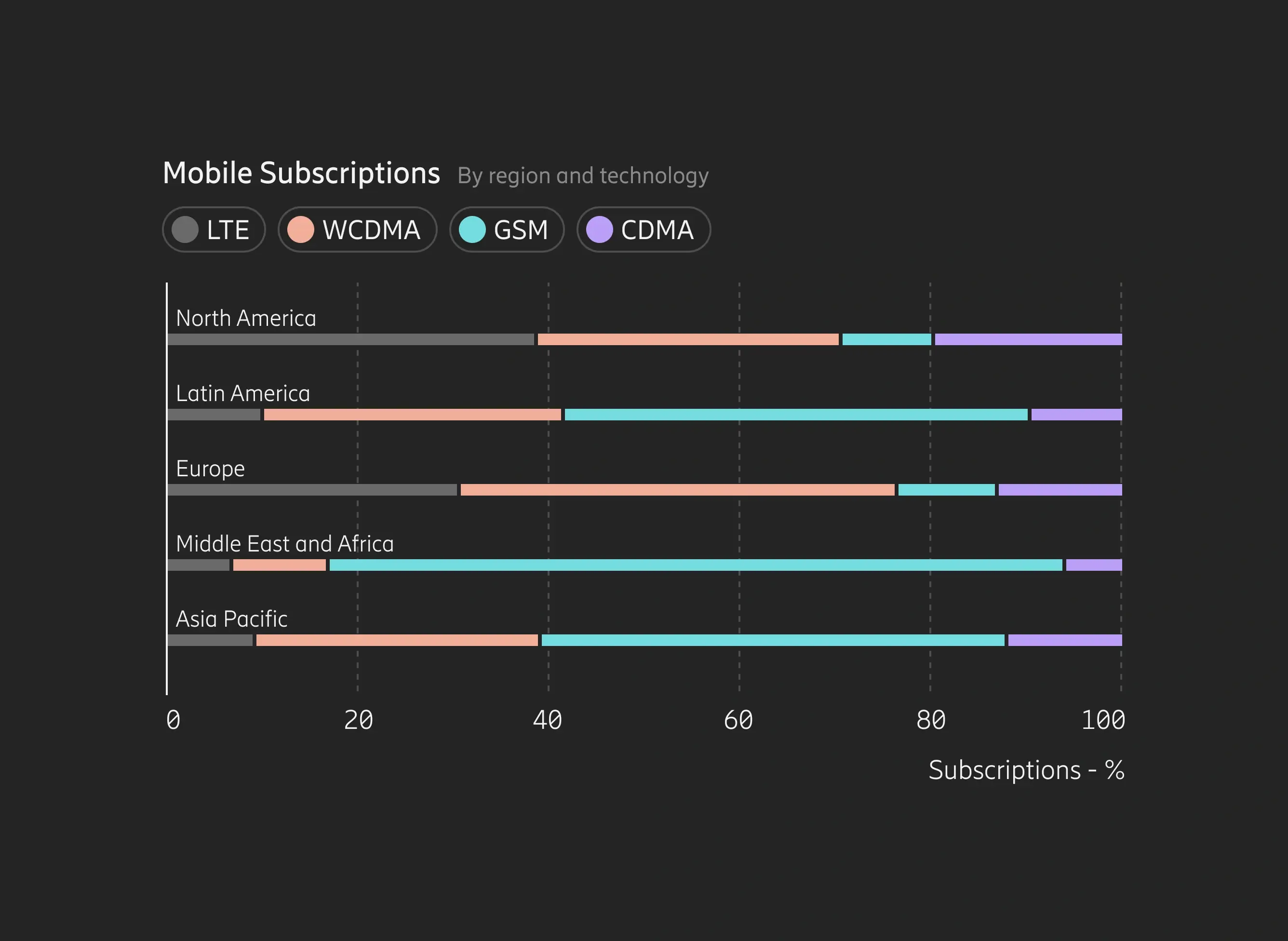
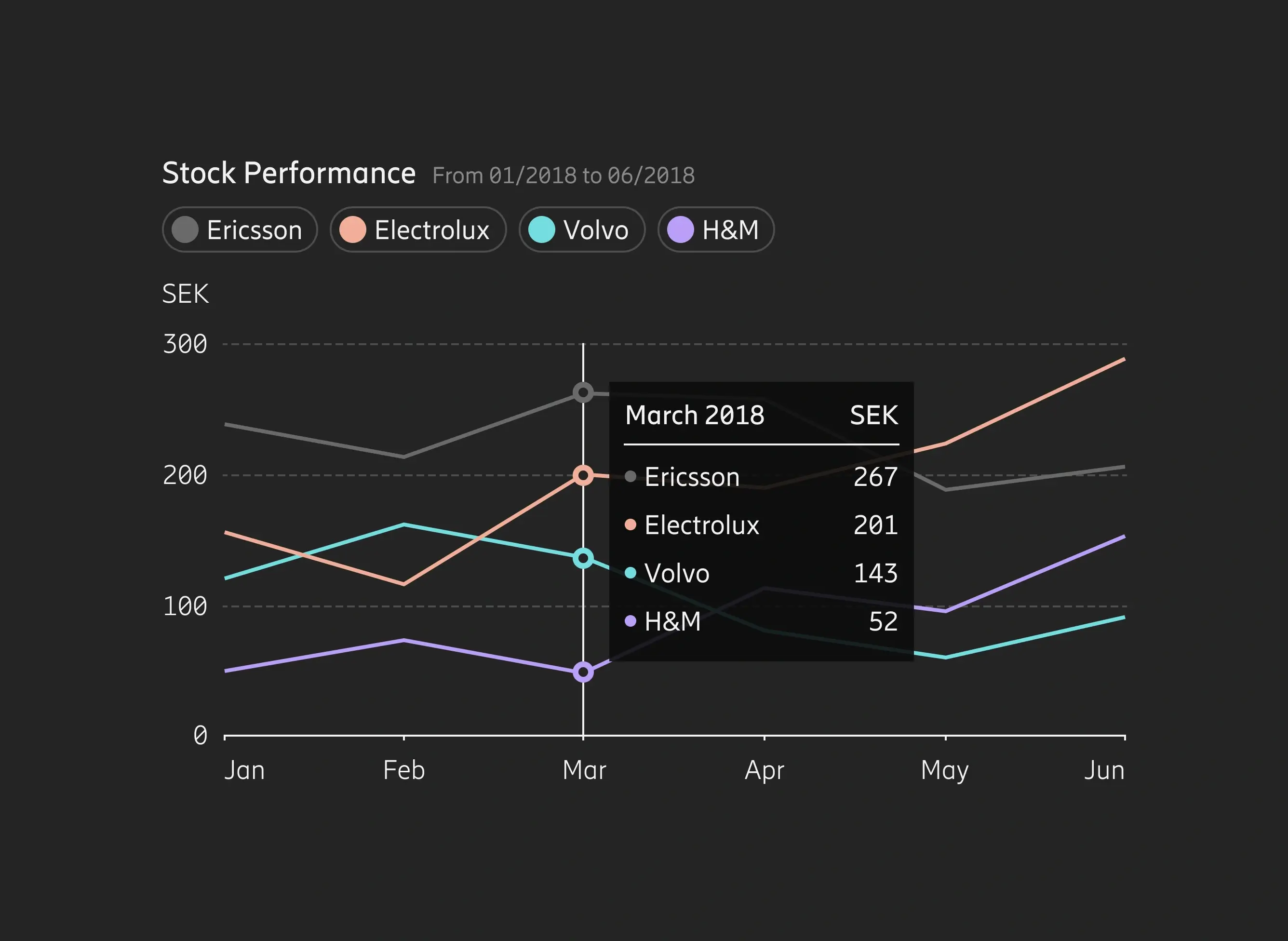
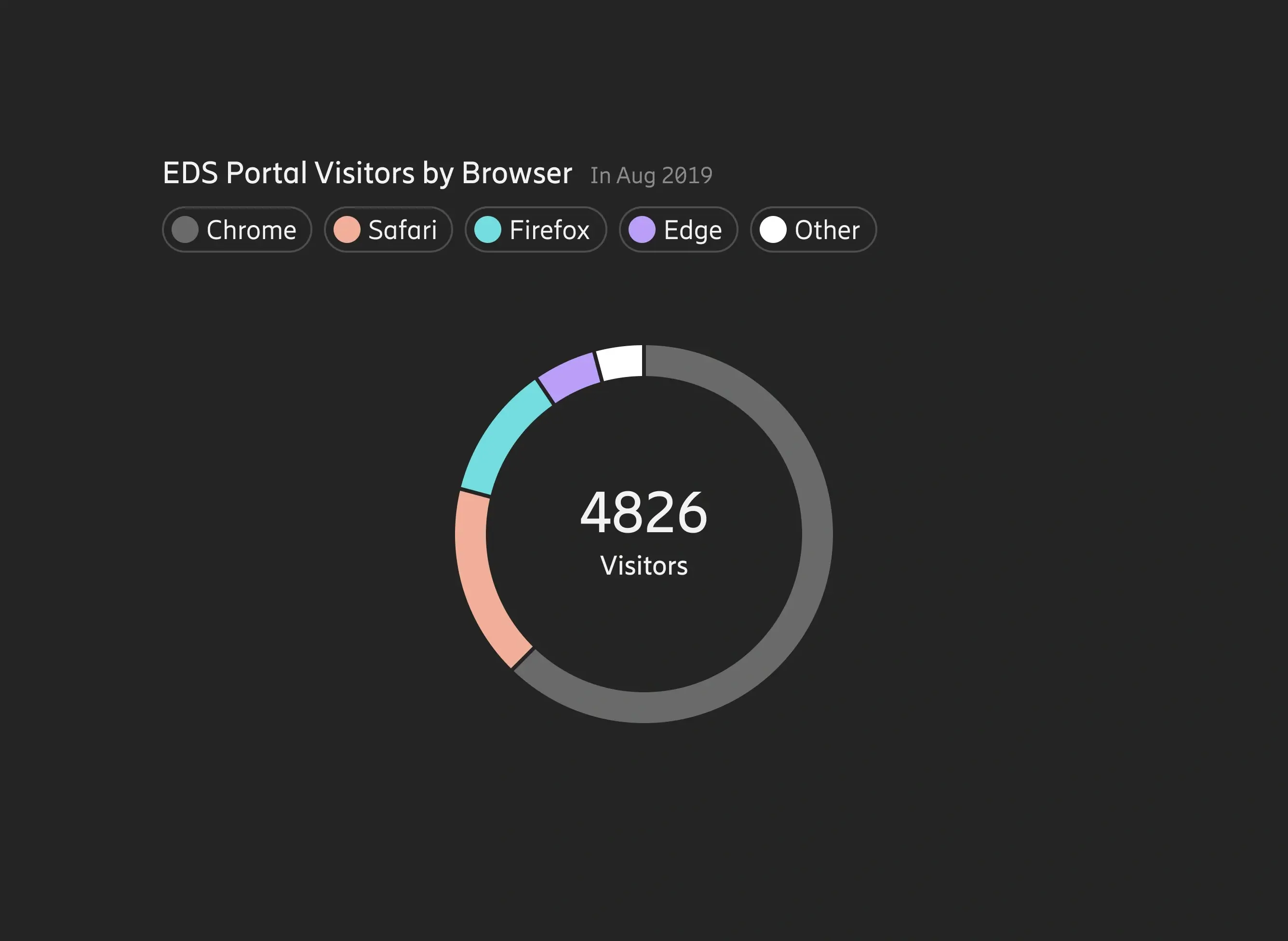
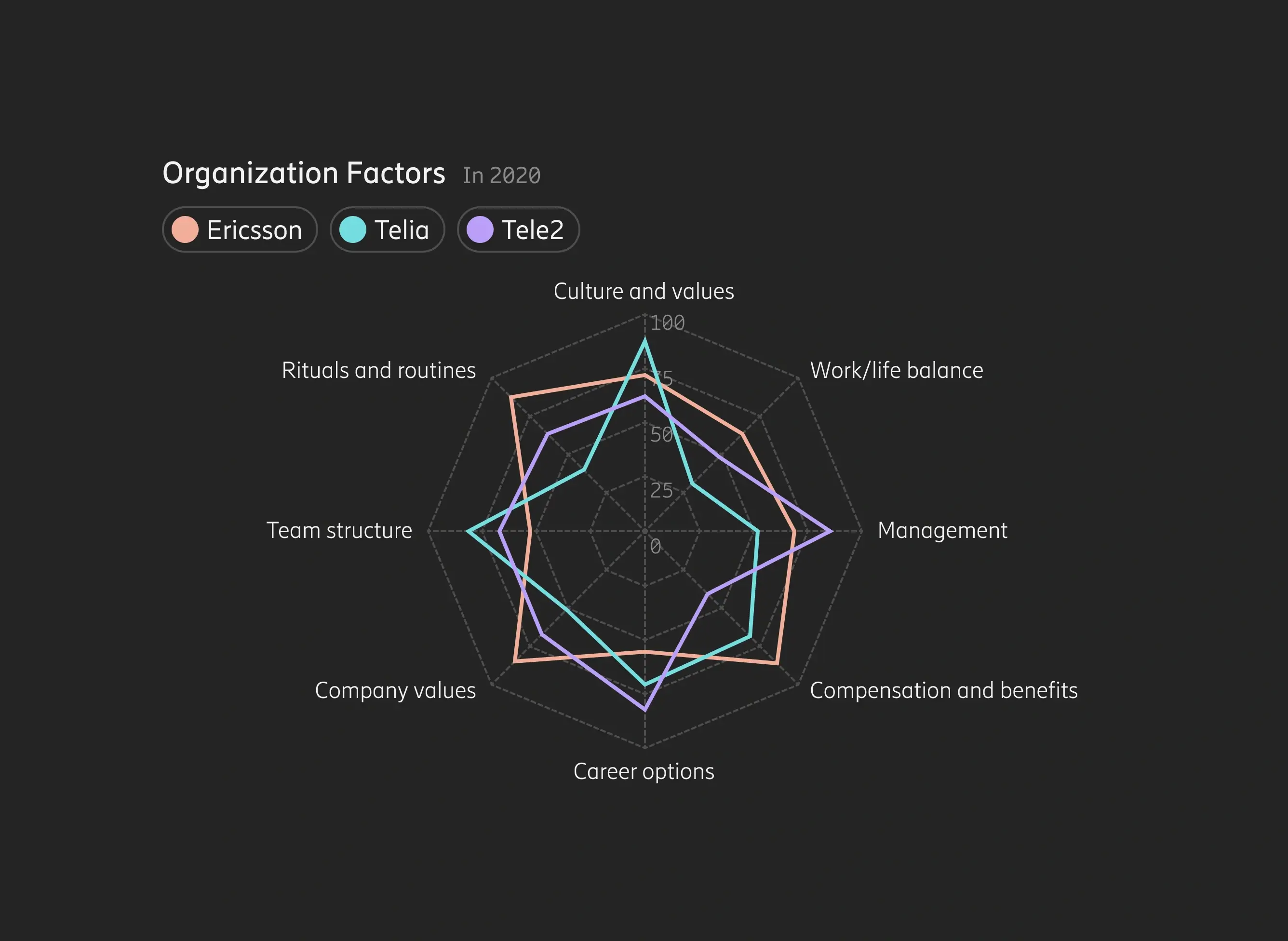
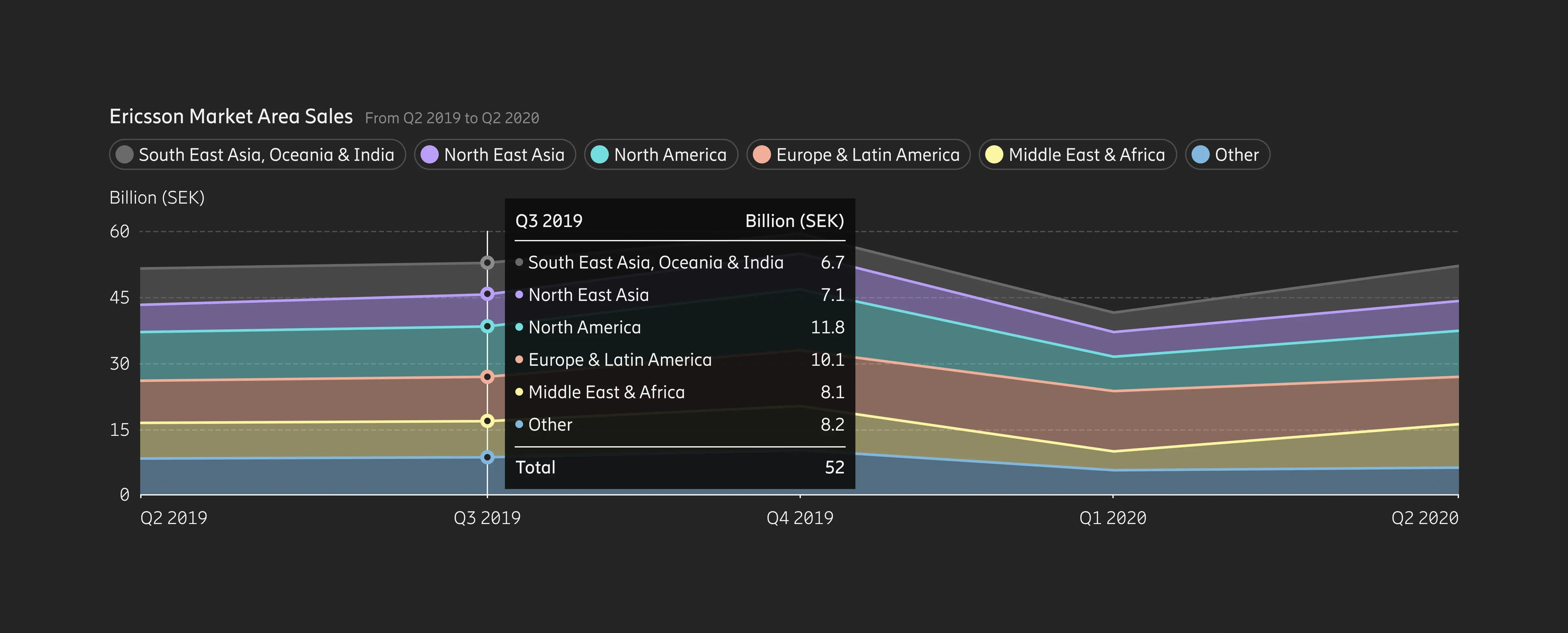
Many Ericsson products are data-rich and analytics-driven, supporting critical operational decisions. I worked closely with the design team to create scalable and reusable data visualization components designed for clarity, consistency, and extensibility across complex analytical workflows. These patterns enabled teams to build dashboards and reporting tools quickly, without sacrificing usability or visual coherence.
Many Ericsson products are data-rich and analytics-driven, supporting critical operational decisions. I worked closely with the design team to create scalable and reusable data visualization components designed for clarity, consistency, and extensibility across complex analytical workflows. These patterns enabled teams to build dashboards and reporting tools quickly, without sacrificing usability or visual coherence.
Beyond designing components and patterns, I worked closely with the team to establish responsive layout guidelines that defined how interfaces adapt, resize, and reflow across breakpoints.
Beyond designing components and patterns, I worked closely with the team to establish responsive layout guidelines that defined how interfaces adapt, resize, and reflow across breakpoints.
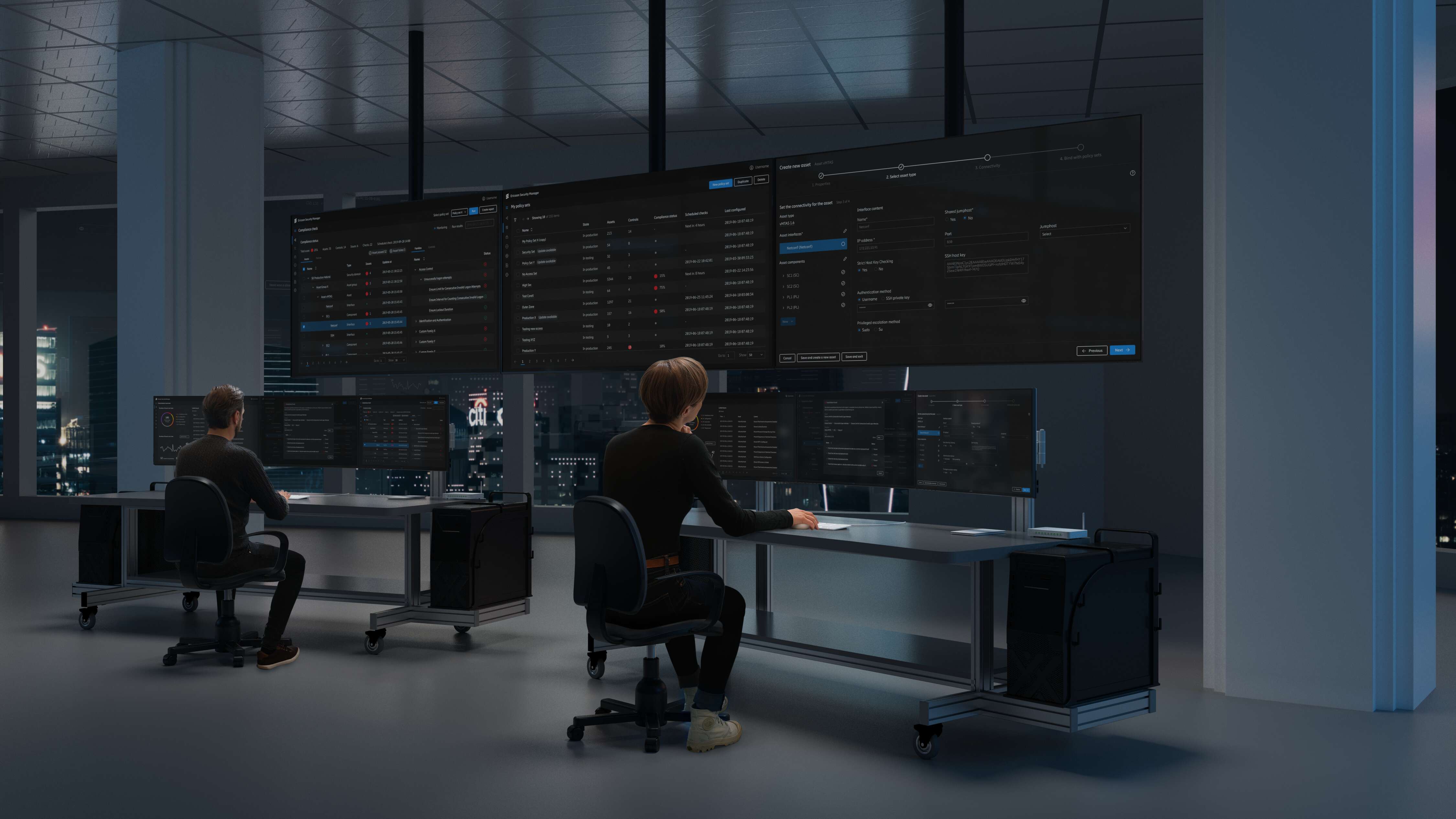
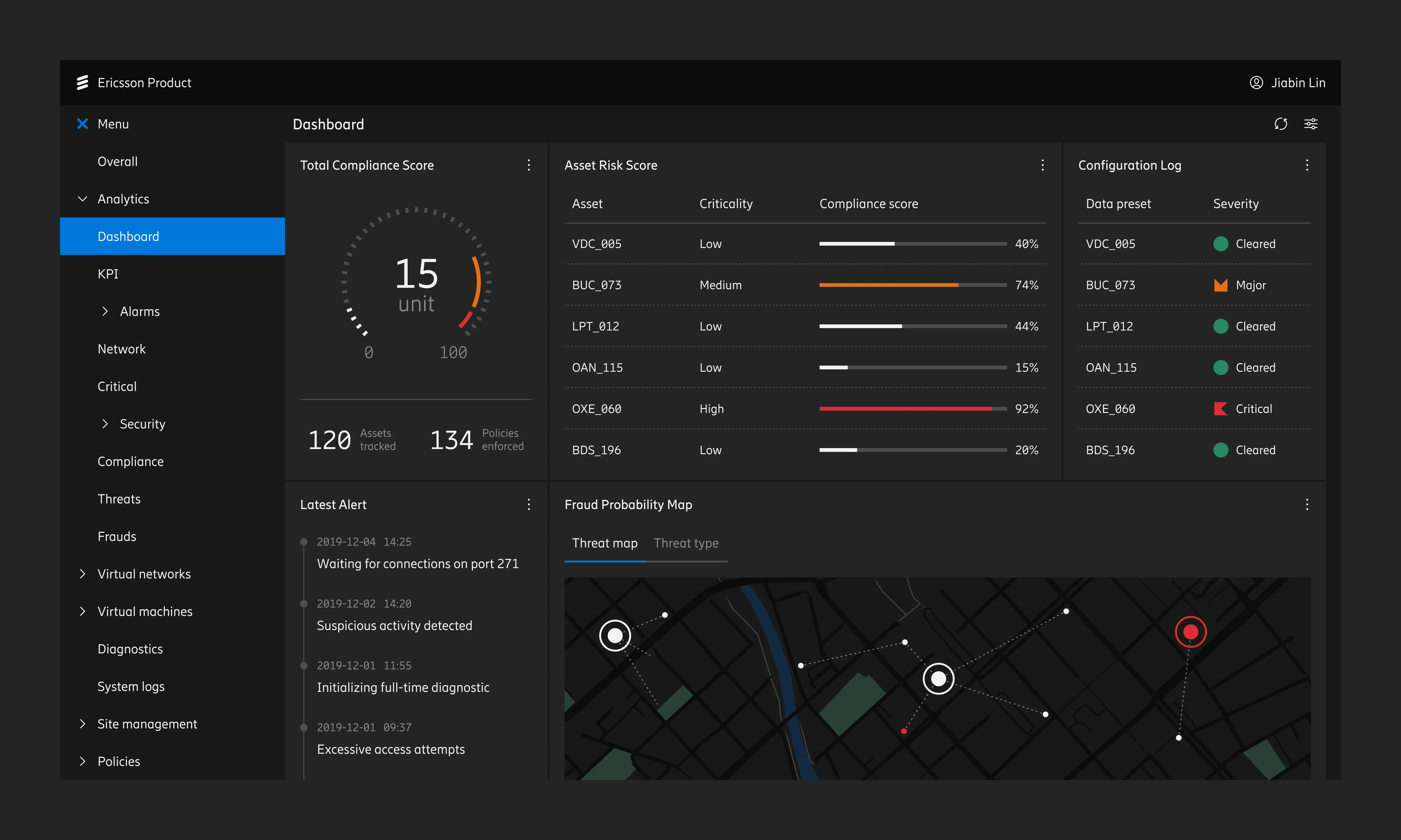
Given that operators often work long shifts in low-light control room environments, dark mode became a core requirement rather than a visual preference. I contributed to the design of a comprehensive dark theme aligned with accessibility standards, reducing visual strain and maintaining clarity across data-dense interfaces and low-light environments.
Given that operators often work long shifts in low-light control room environments, dark mode became a core requirement rather than a visual preference. I contributed to the design of a comprehensive dark theme aligned with accessibility standards, reducing visual strain and maintaining clarity across data-dense interfaces and low-light environments.
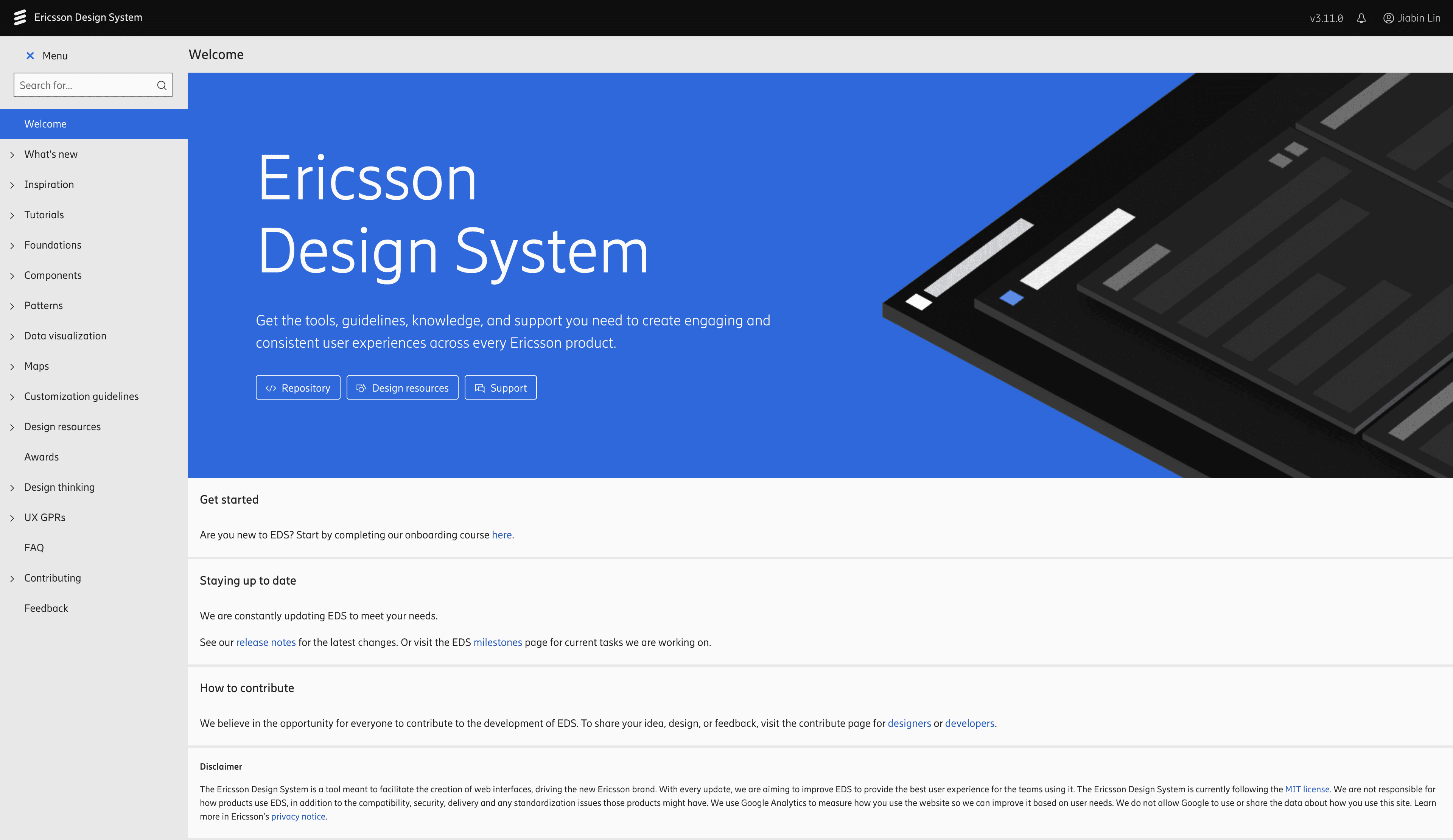
Alongside system and component work, I co-managed the Ericsson Design System Portal—the central hub for design files, UX guidelines, documentation, tools, and training materials. The portal served as the primary onboarding and reference destination for designers, developers, and PMs, ensuring that system knowledge remained accessible, current, and actionable.
Alongside system and component work, I co-managed the Ericsson Design System Portal—the central hub for design files, UX guidelines, documentation, tools, and training materials. The portal served as the primary onboarding and reference destination for designers, developers, and PMs, ensuring that system knowledge remained accessible, current, and actionable.
Working on Ericsson Design System was my first experience designing a comprehensive design system. It taught me how to scale design across an organization, establish governance without rigidity, and treat design systems as living products that balance consistency, flexibility, and long-term quality.
Working on Ericsson Design System was my first experience designing a comprehensive design system. It taught me how to scale design across an organization, establish governance without rigidity, and treat design systems as living products that balance consistency, flexibility, and long-term quality.