Microsoft Editor
Microsoft Editor
2022 • AI-POWERED WRITING ASSISTANCE
2022 • AI-POWERED WRITING ASSISTANCE
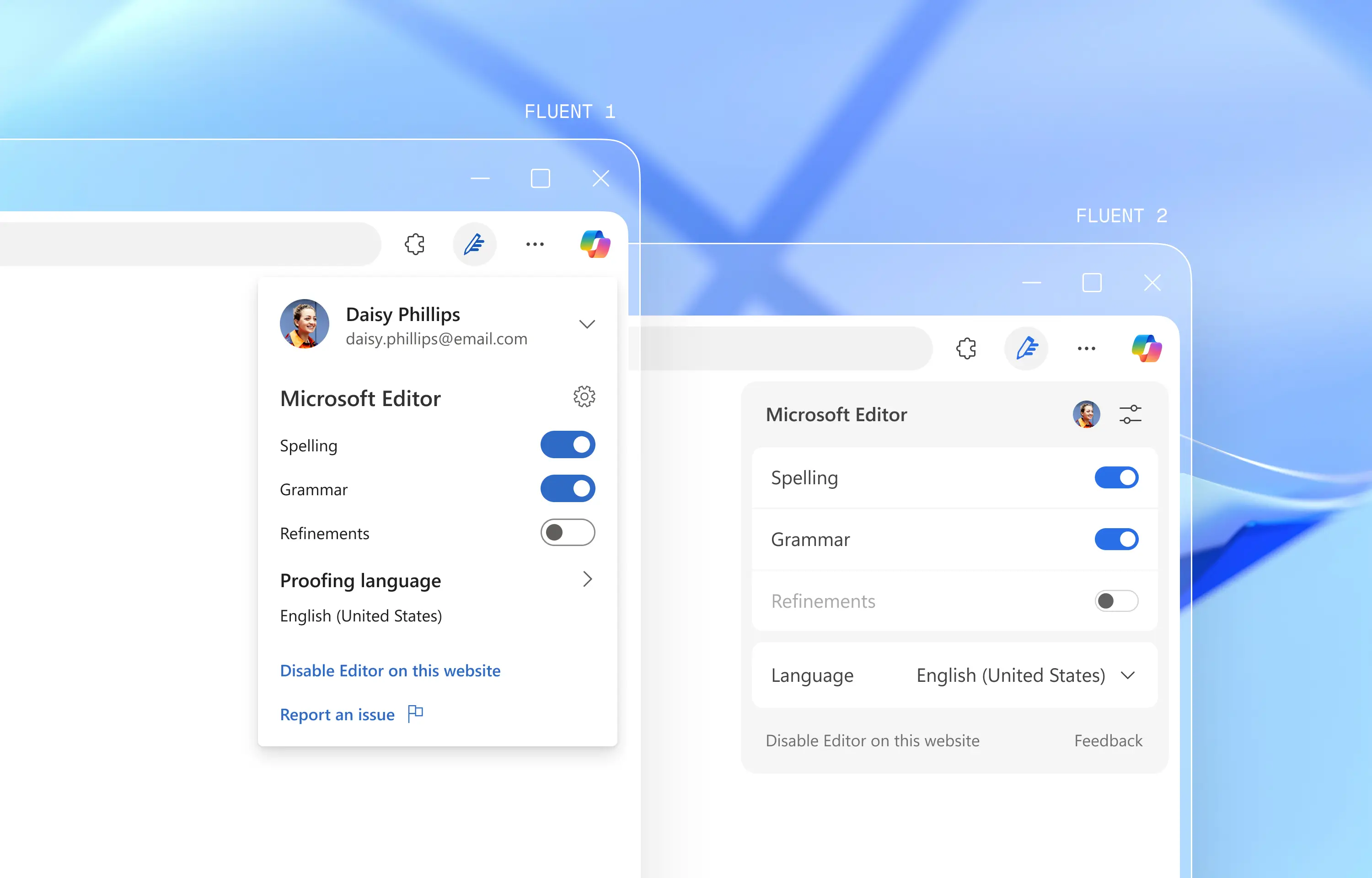
Microsoft Editor is one of the longest-standing products in Microsoft 365. What began as a basic proofing feature in Word has evolved into a core writing assistant used by hundreds of millions of people across Word, Outlook, and the web. In 2022, I led the UI/UX modernization effort for Microsoft Editor, evolving it from Fluent Design System V1 to V2 while preserving performance, familiarity, and trust at a global scale.
Microsoft Editor is one of the longest-standing products in Microsoft 365. What began as a basic proofing feature in Word has evolved into a core writing assistant used by hundreds of millions of people across Word, Outlook, and the web. In 2022, I led the UI/UX modernization effort for Microsoft Editor, evolving it from Fluent Design System V1 to V2 while preserving performance, familiarity, and trust at a global scale.
Unlike building new features, Editor presented a different challenge: it was deeply embedded in users’ daily workflows, relied on legacy UI components, and spanned multiple platforms and surfaces. My objective was not to reinvent Editor, but to modernize it without breaking user trust, to align it with the evolving Fluent design guidelines, and to create a scalable foundation for future writing assistance capabilities.
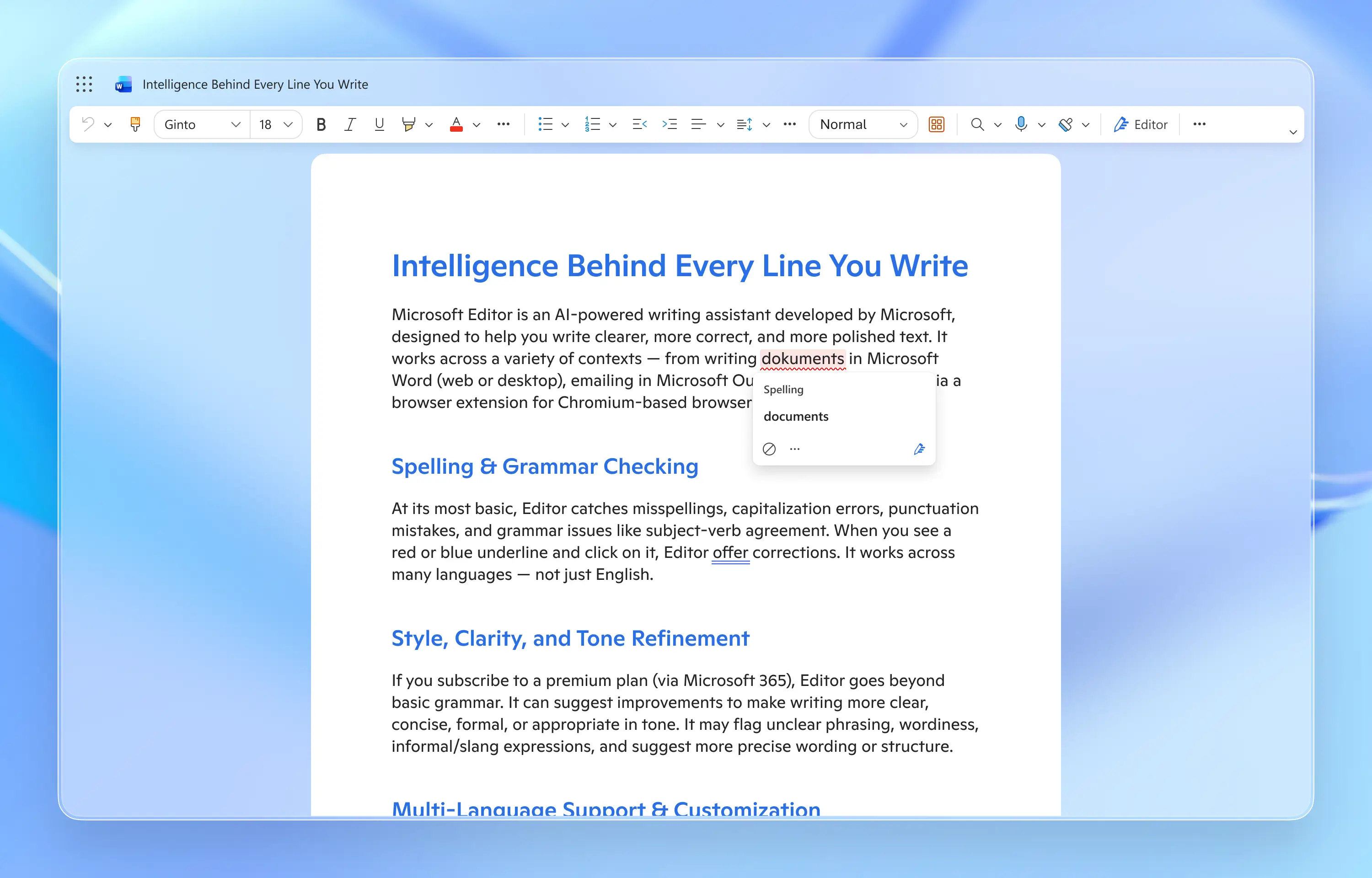
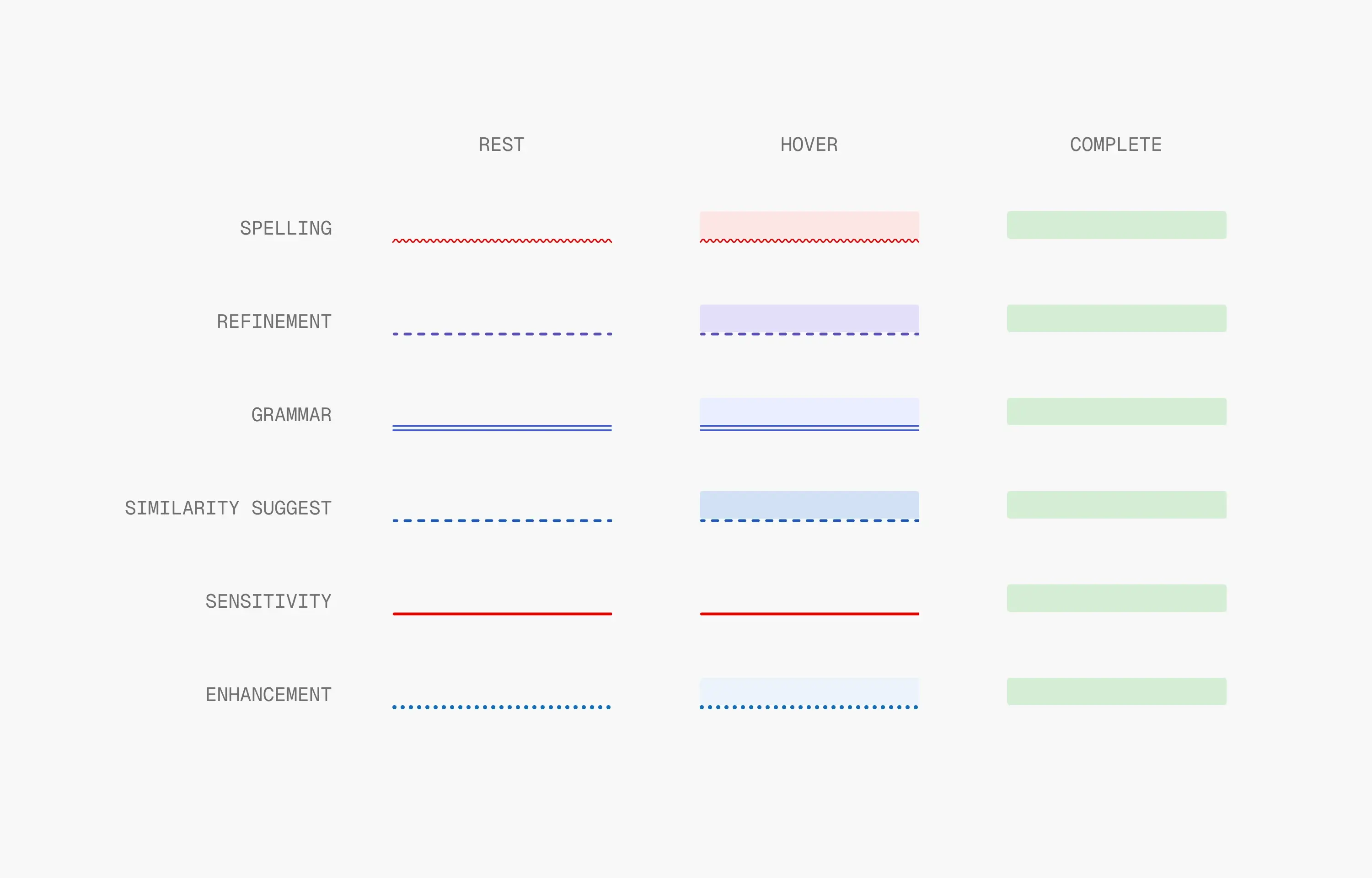
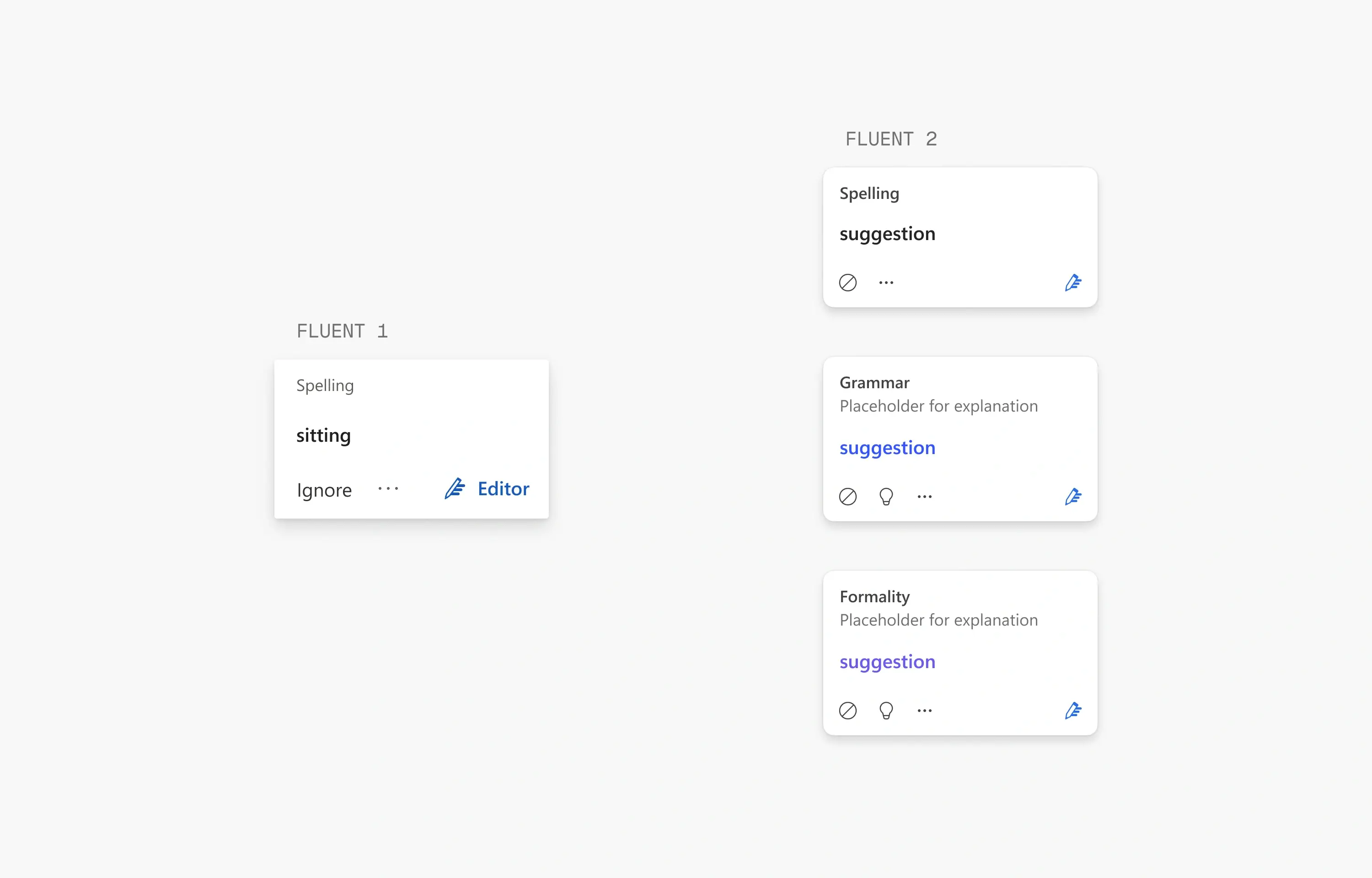
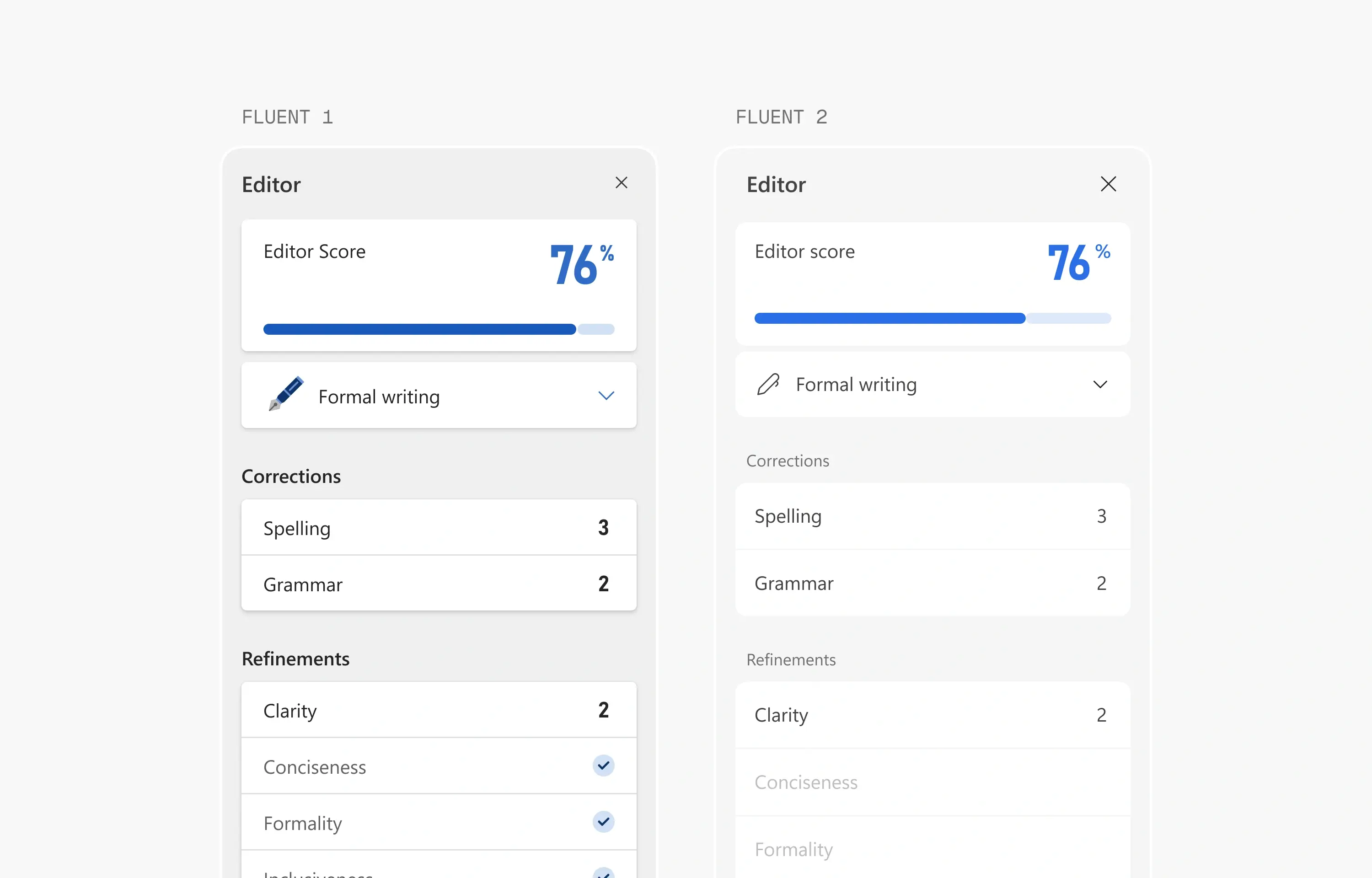
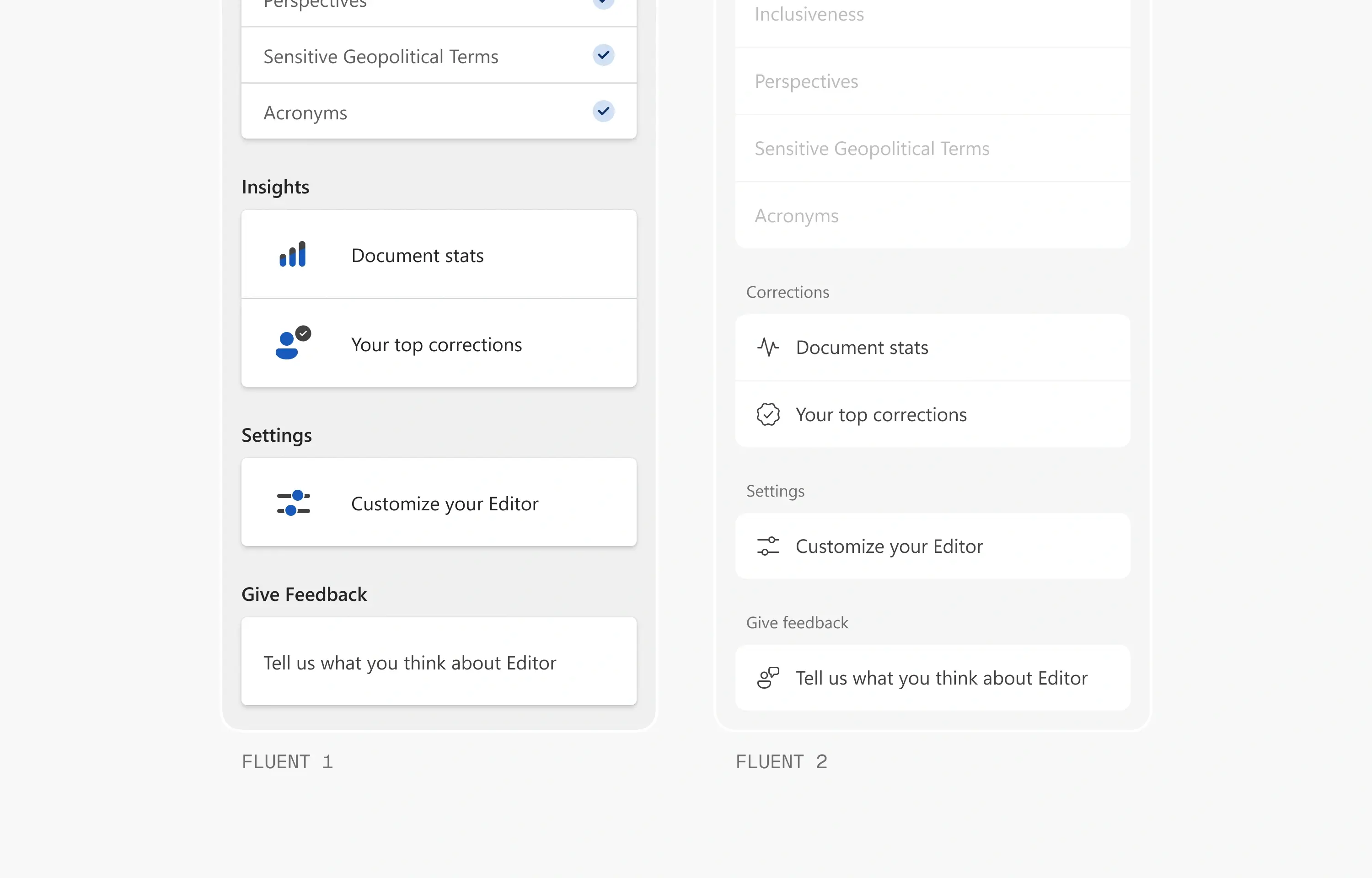
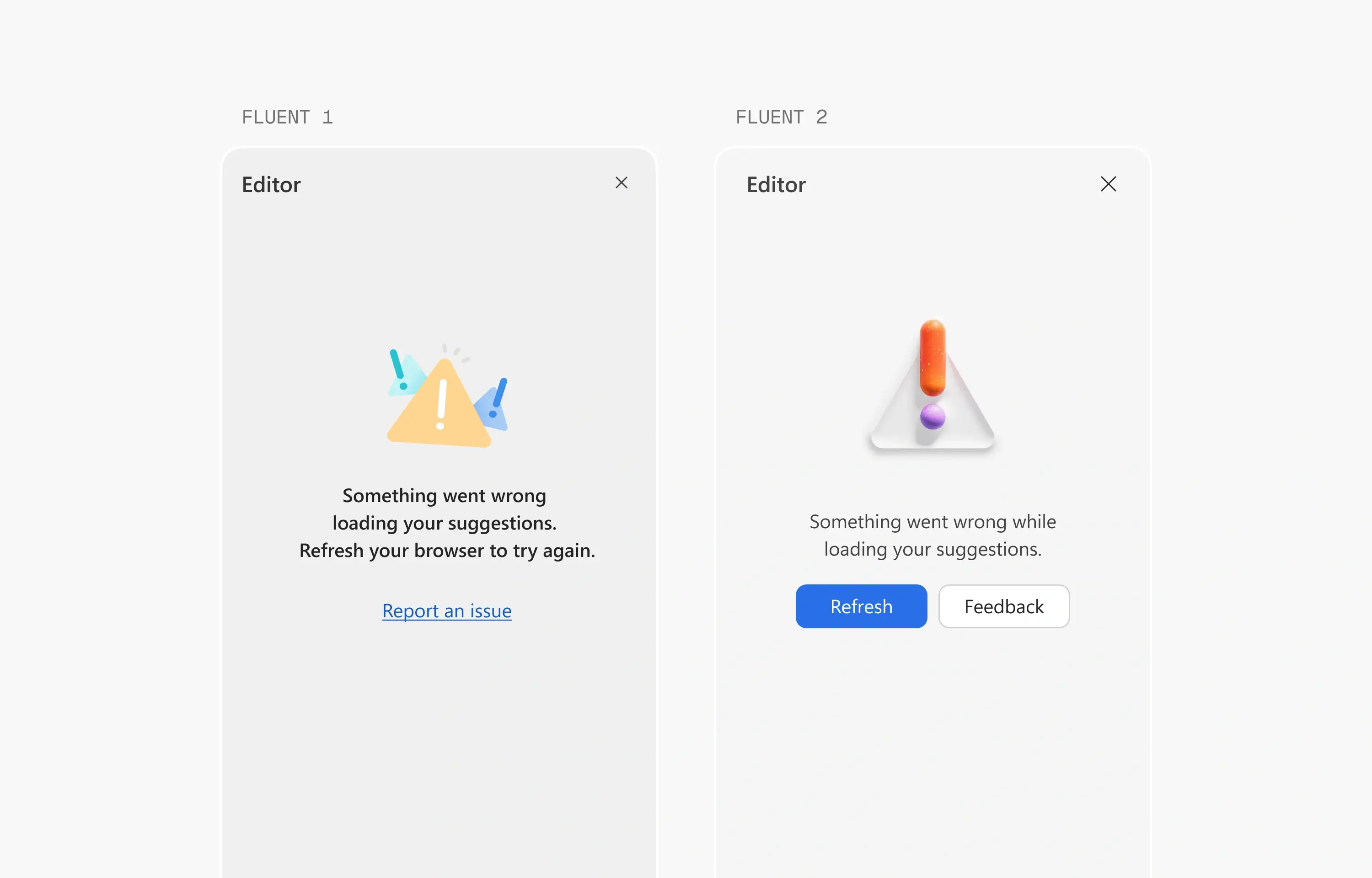
A key challenge was that many legacy Editor components had no direct equivalents in Fluent V2. The work required careful judgment around what to preserve, what to adapt, and what to redesign. I audited legacy components and established a new mapping strategy: creating custom specifications for unique Editor features while adopting Fluent V2 standards for general UI elements.
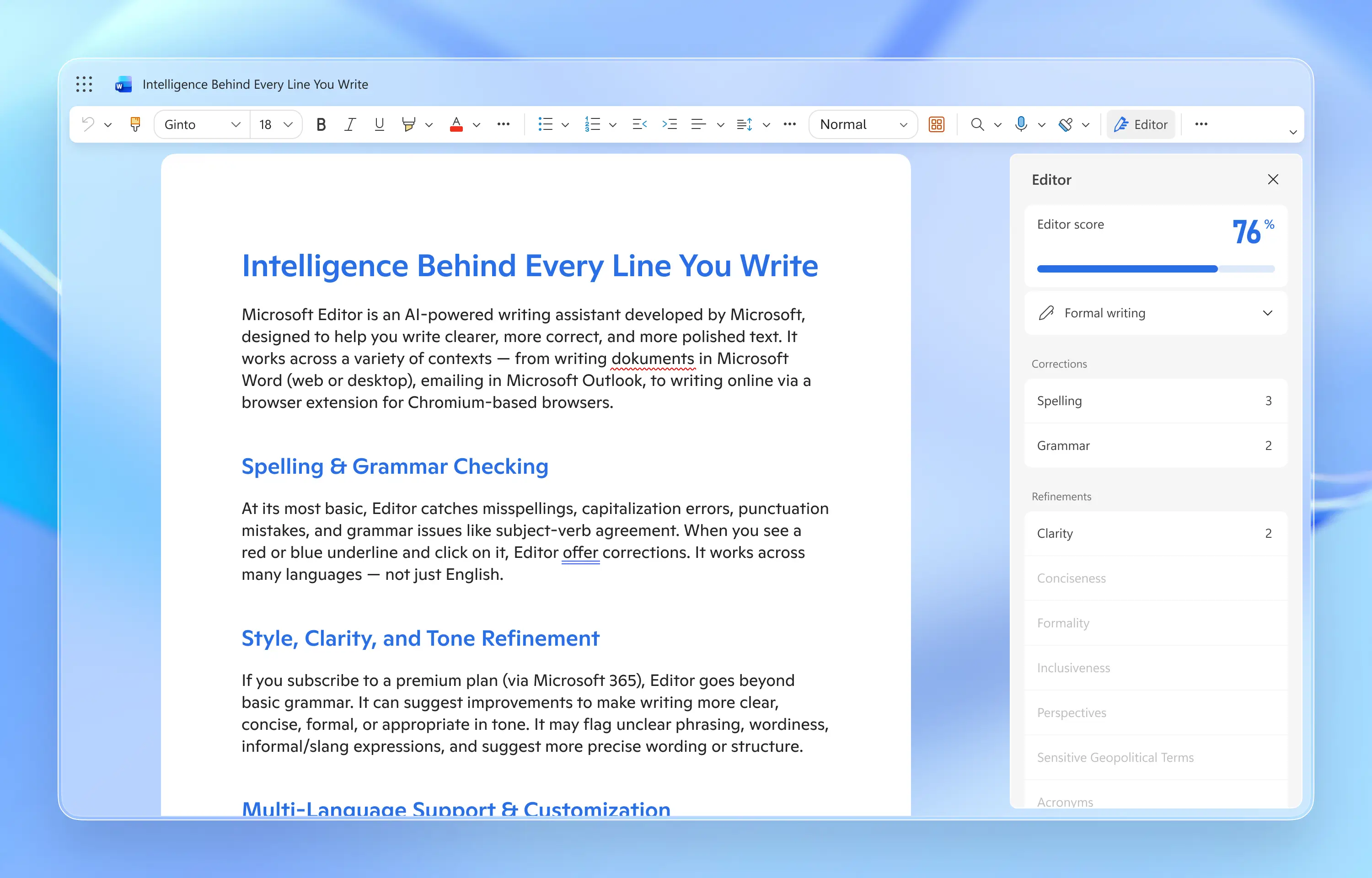
The redesign improved visual hierarchy and spacing, significantly reducing cognitive load. This allowed users to process suggestions and make decisions with less mental effort. Although the UI became lighter and more modern, core interaction behaviors were intentionally preserved, enabling users to benefit from improved clarity without being forced to relearn established behaviors.
-18%
CORRECTION TIME
+28%
POSITIVE USER FEEDBACK
Unlike building new features, Editor presented a different challenge: it was deeply embedded in users’ daily workflows, relied on legacy UI components, and spanned multiple platforms and surfaces. My objective was not to reinvent Editor, but to modernize it without breaking user trust, to align it with the evolving Fluent design guidelines, and to create a scalable foundation for future writing assistance capabilities.
A key challenge was that many legacy Editor components had no direct equivalents in Fluent V2. The work required careful judgment around what to preserve, what to adapt, and what to redesign. I audited legacy components and established a new mapping strategy: creating custom specifications for unique Editor features while adopting Fluent V2 standards for general UI elements.
The redesign improved visual hierarchy and spacing, significantly reducing cognitive load. This allowed users to process suggestions and make decisions with less mental effort. Although the UI became lighter and more modern, core interaction behaviors were intentionally preserved, enabling users to benefit from improved clarity without being forced to relearn established behaviors.
-18%
CORRECTION TIME
+28%
POSITIVE USER FEEDBACK
Refining a mature product like Microsoft Editor requires a different discipline from building zero-to-one features. It taught me that successful modernization isn't about reinvention, but about evolving incrementally to respect established workflows. This experience reshaped my perspective on design leadership: it is not just about visionary concepts, but about stewardship—navigating technical debt and complexity to deliver quality at scale without compromising the trust of millions.
Refining a mature product like Microsoft Editor requires a different discipline from building zero-to-one features. It taught me that successful modernization isn't about reinvention, but about evolving incrementally to respect established workflows. This experience reshaped my perspective on design leadership: it is not just about visionary concepts, but about stewardship—navigating technical debt and complexity to deliver quality at scale without compromising the trust of millions.